
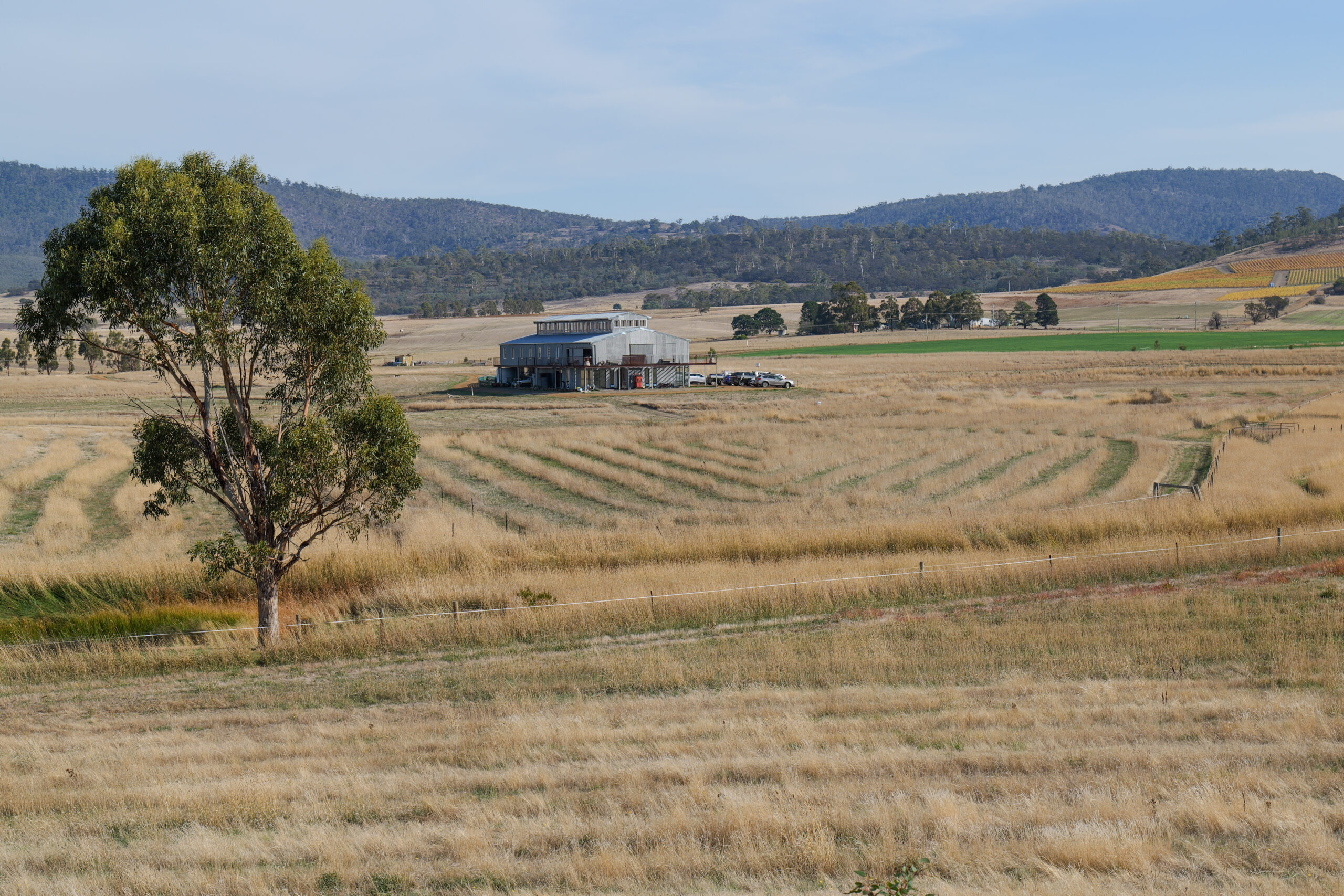
In early May, we wrapped up our 2026 round of Property Management Planning (PMP) workshops in the Coal Valley. Up until now, this course has exclusively focused on the Huon Valley and Channel areas, where landscapes and land use vary quite markedly from the Coal Valley.
Working with smallholders with properties that have different challenges – including a drier climate, a longer history of intensive agricultural land use, different types of crops and stock, and different weed and pest management priorities – meant that our workshops were tailored to suit these specific considerations – such as an increased focus on bushfire management through the team in the Red Hot Tips program.
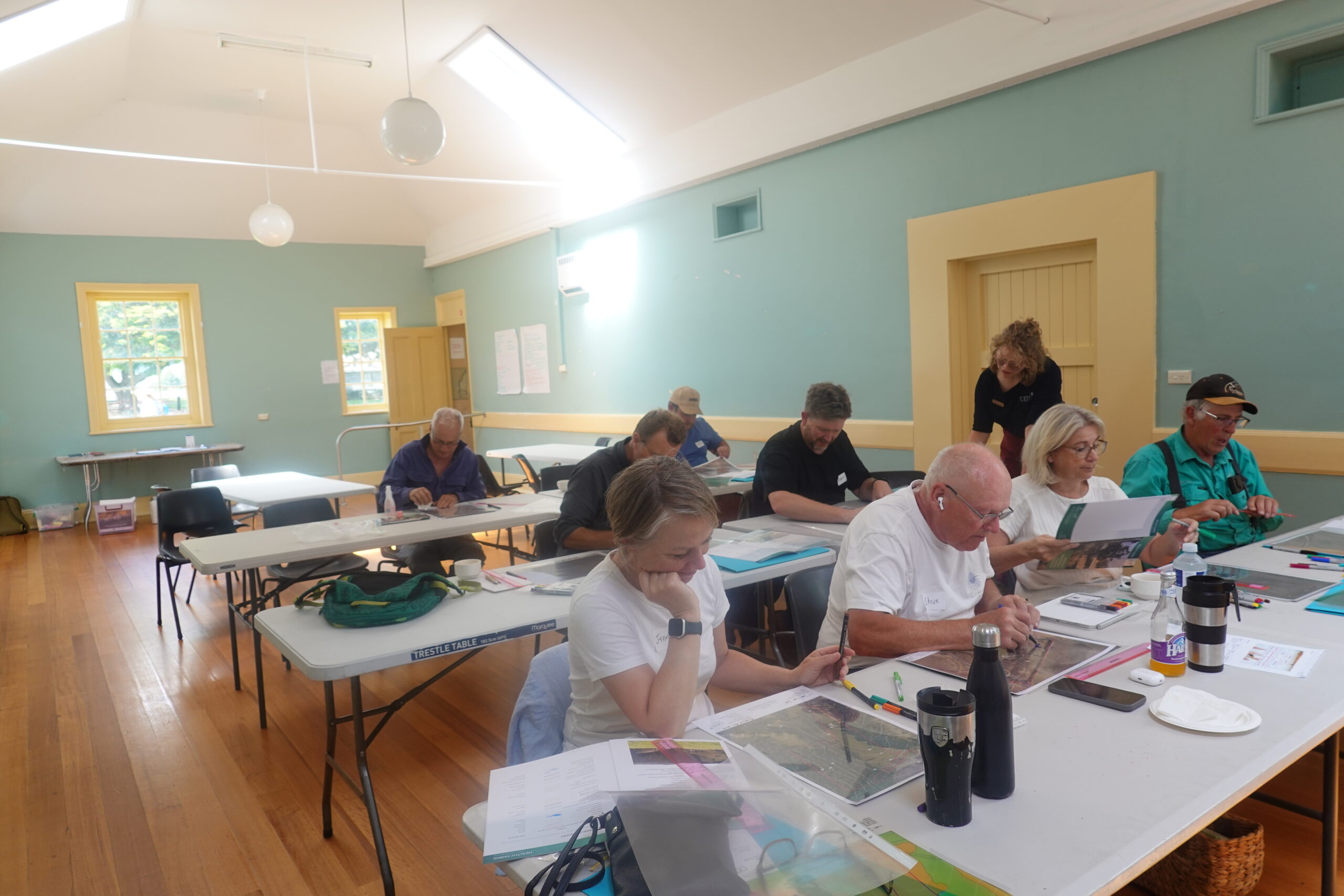
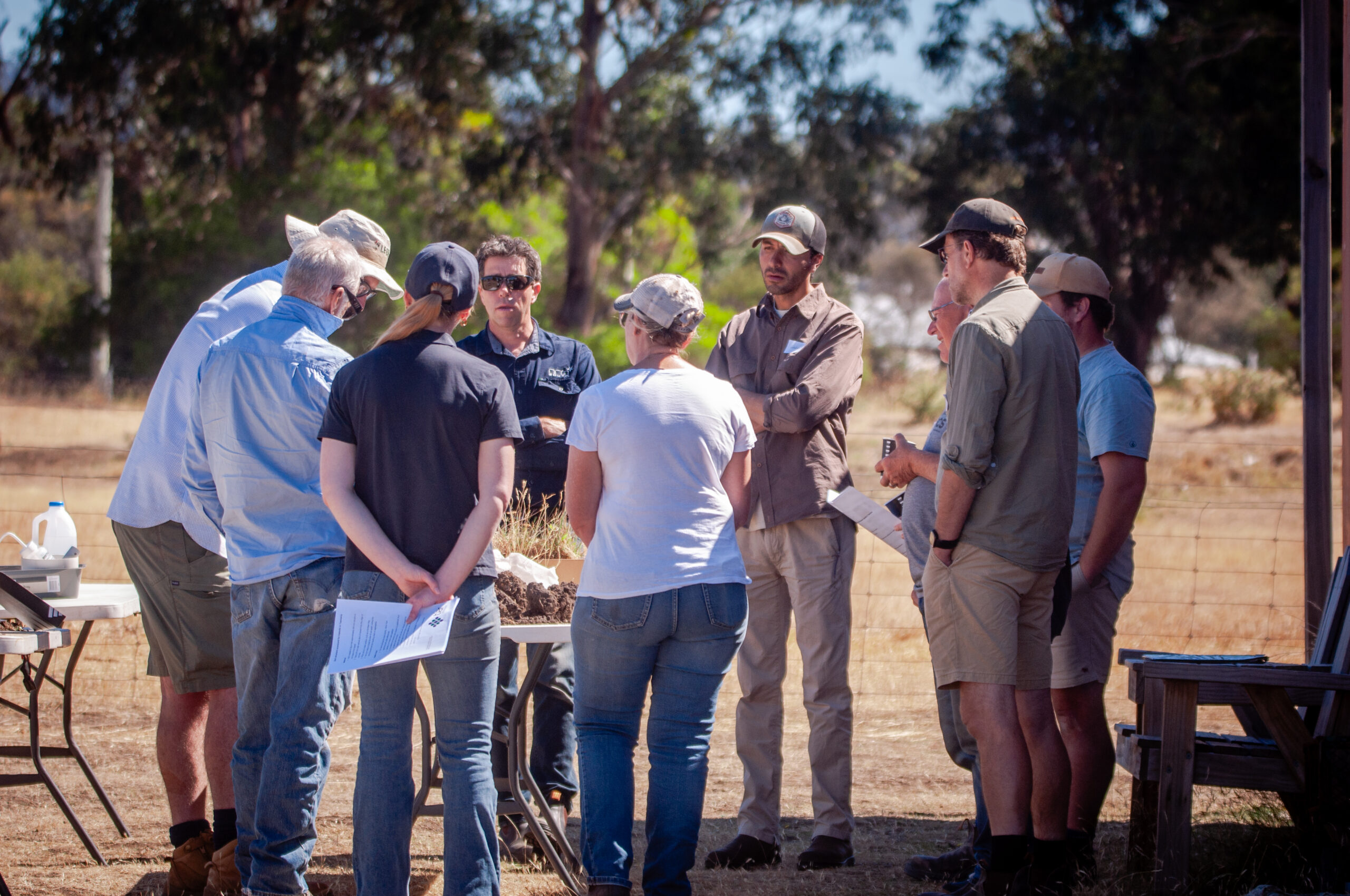
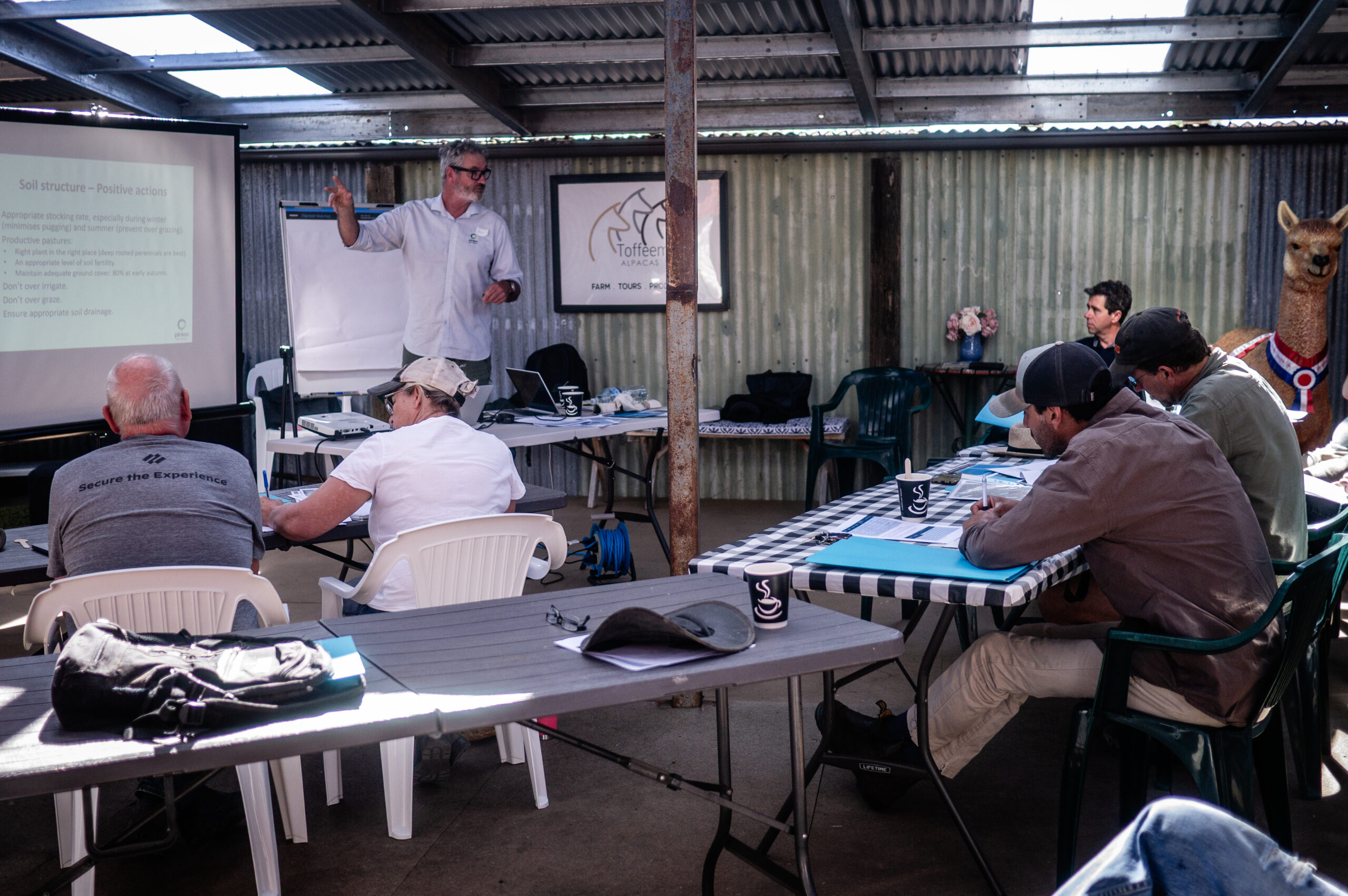
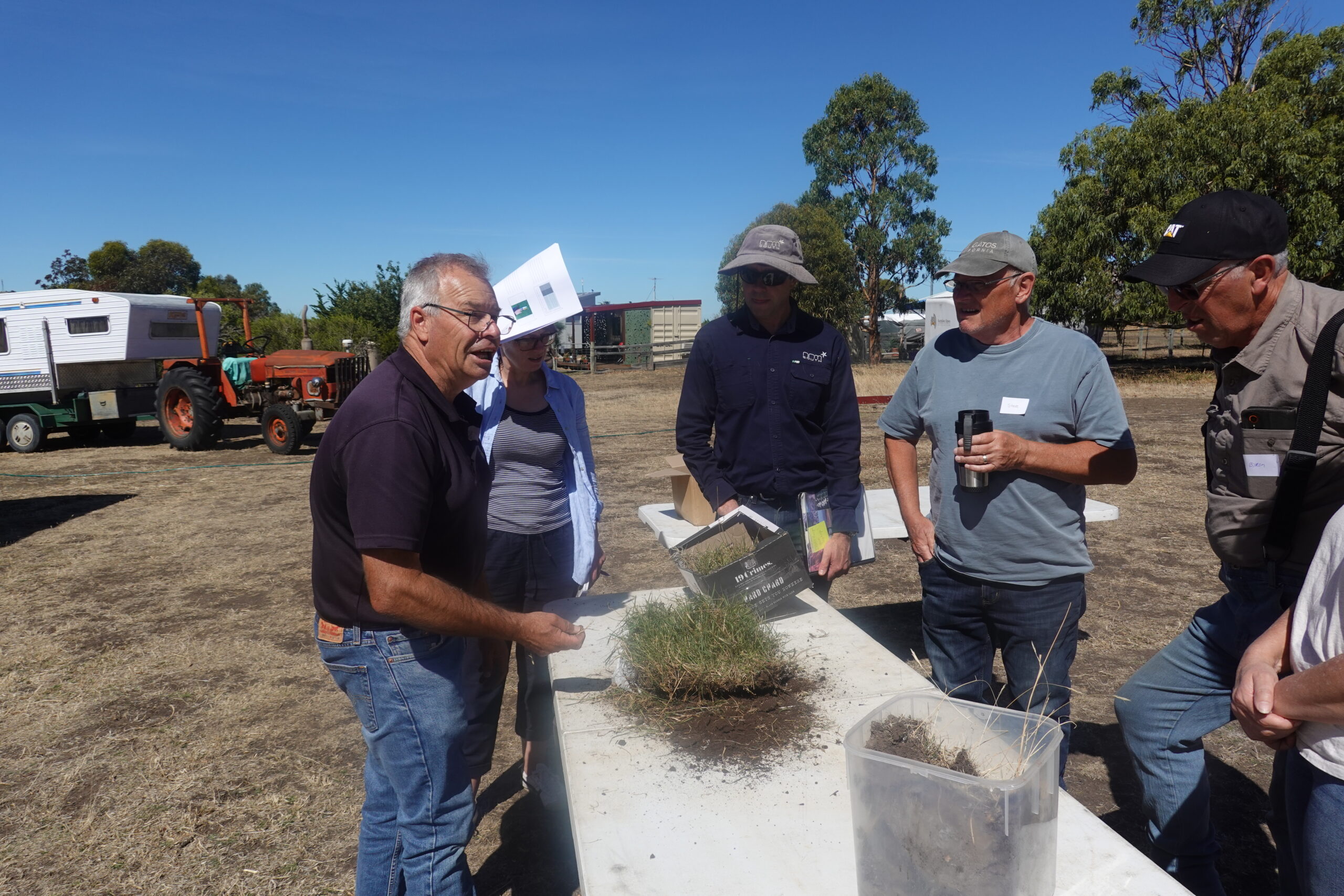
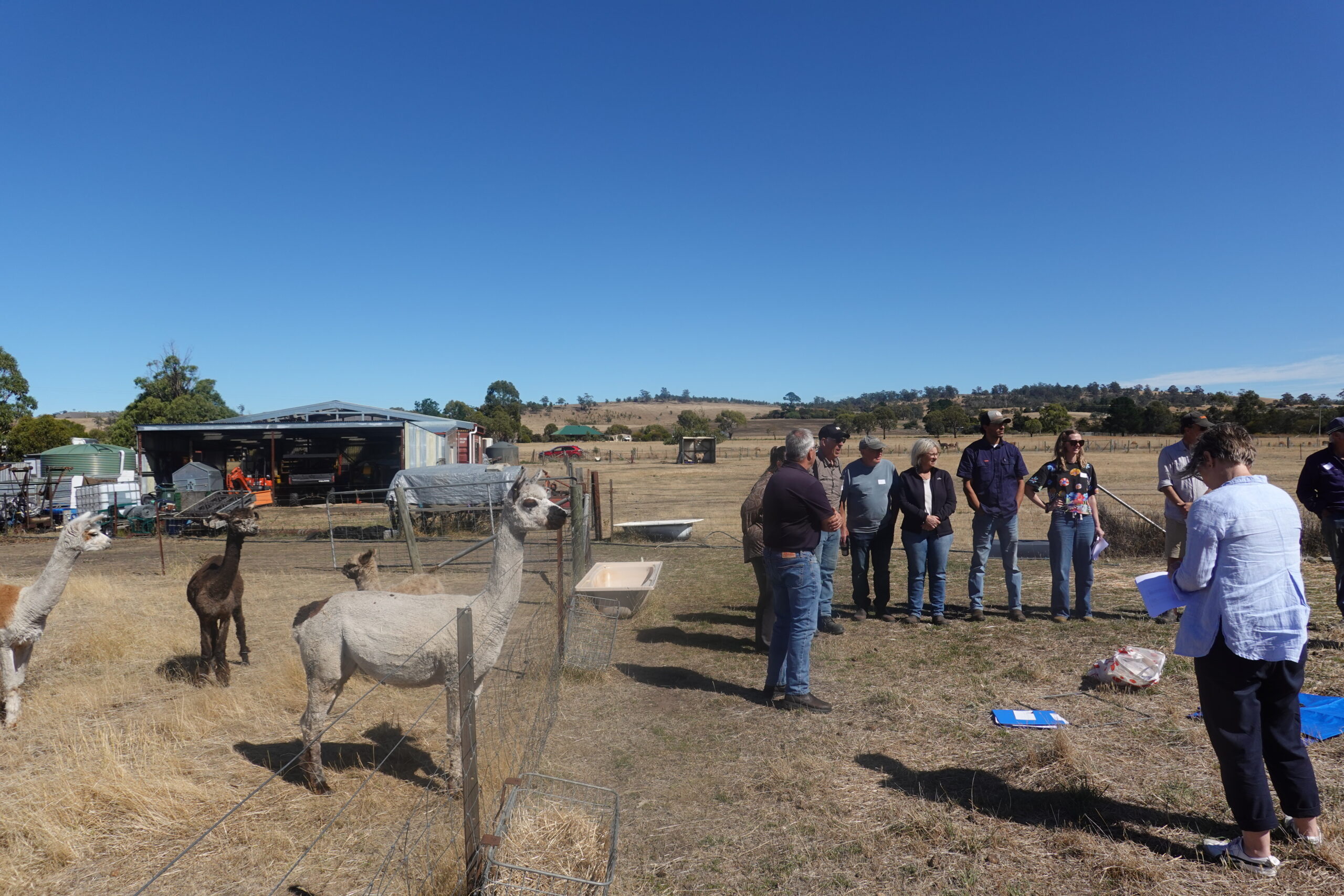
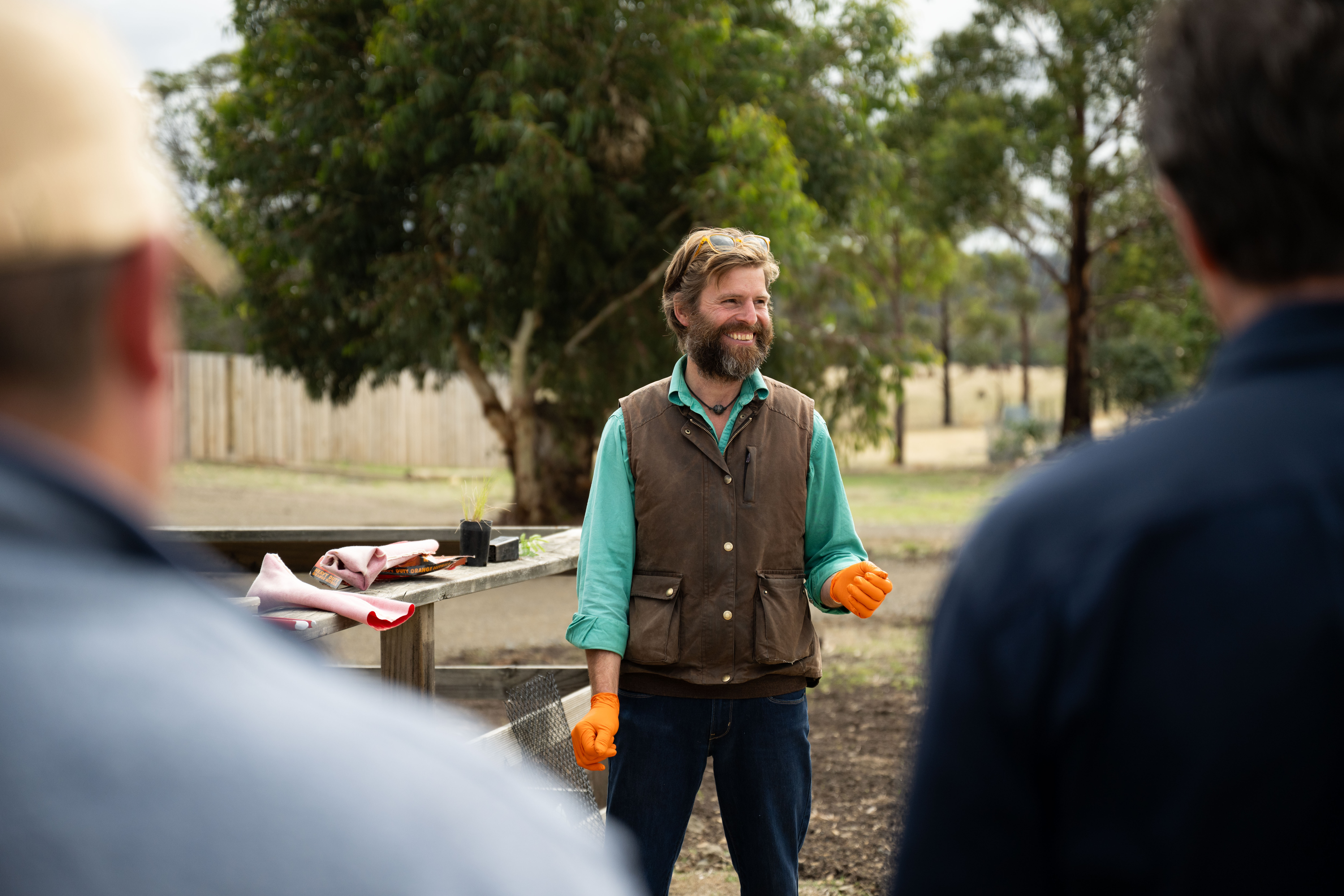

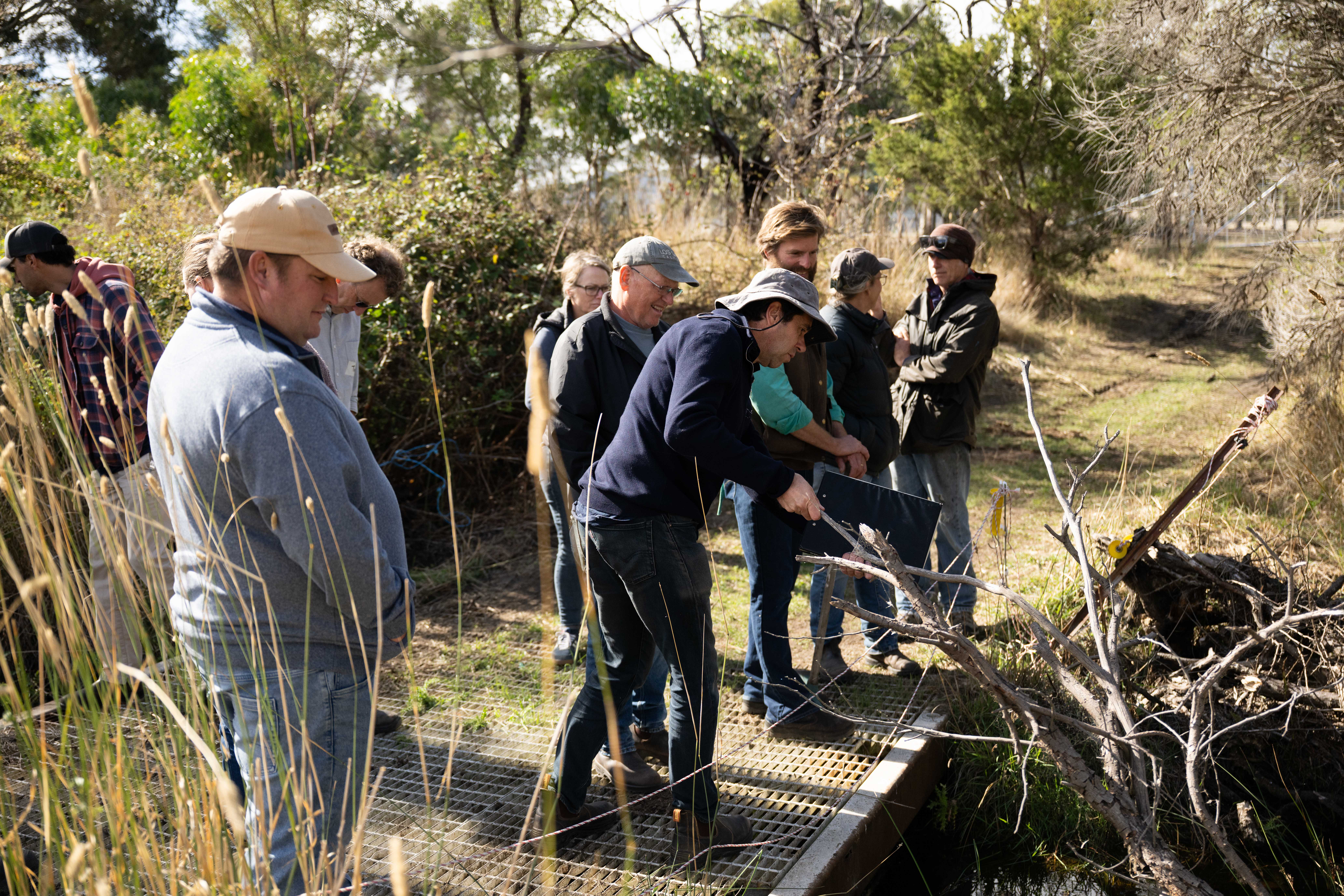
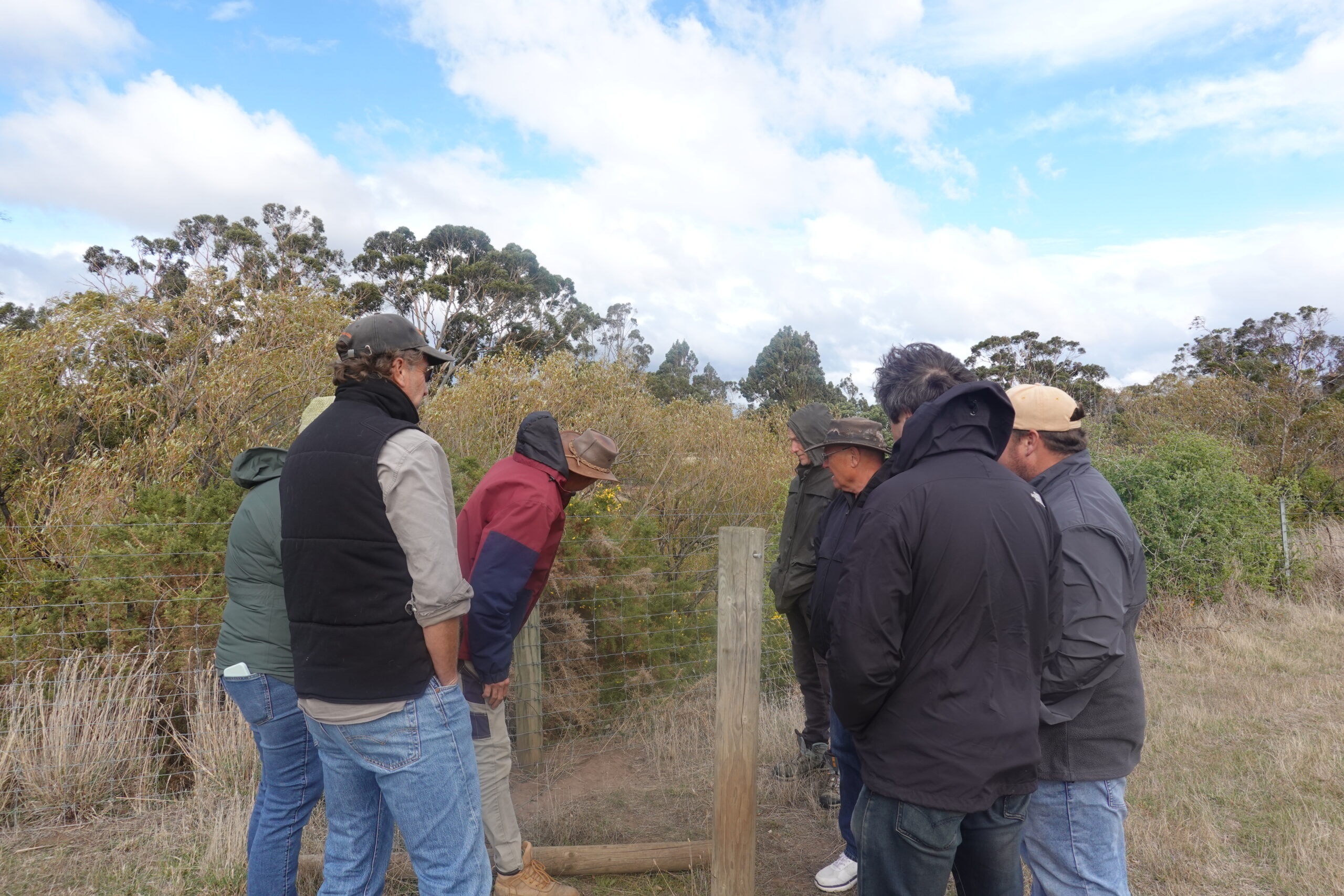
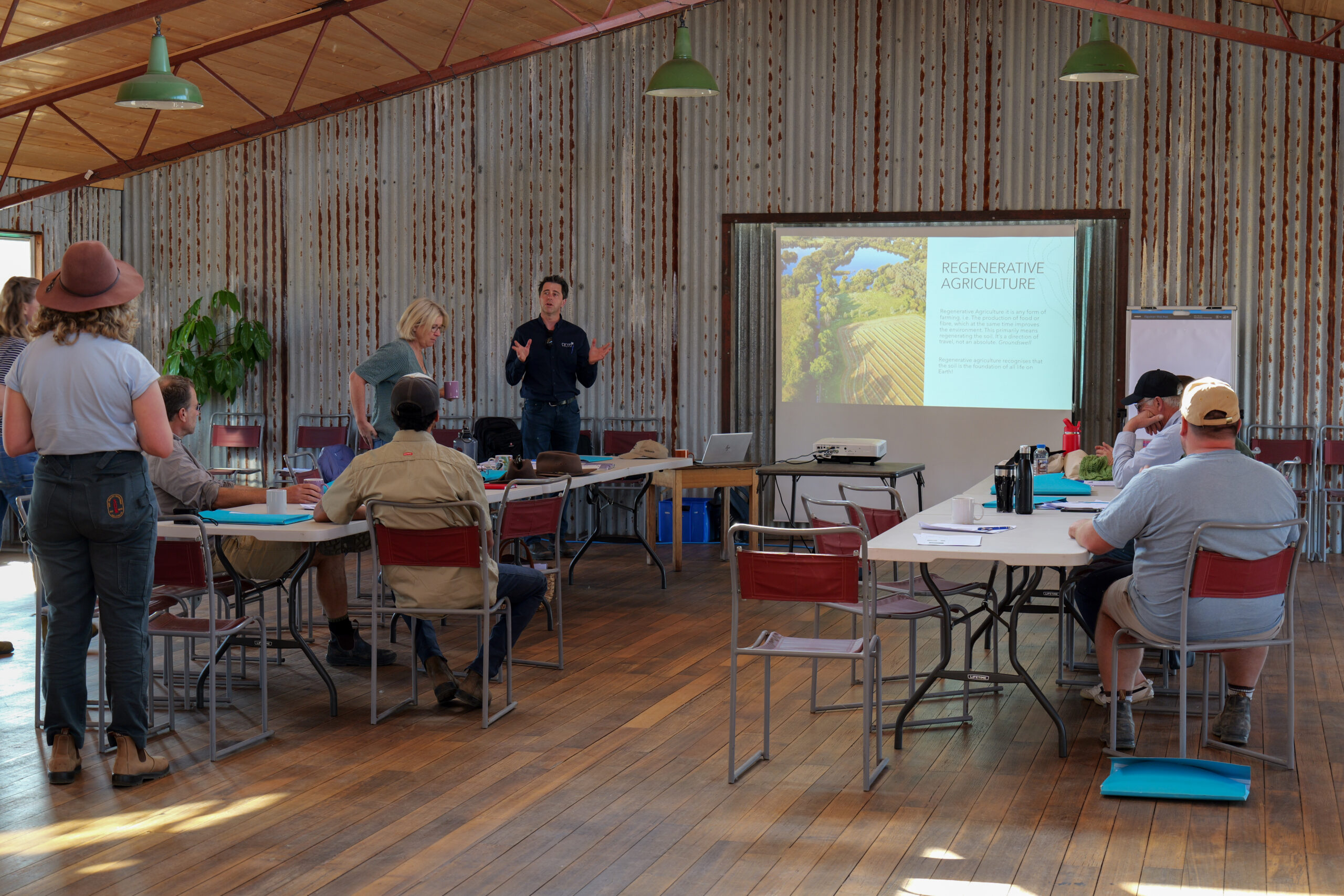
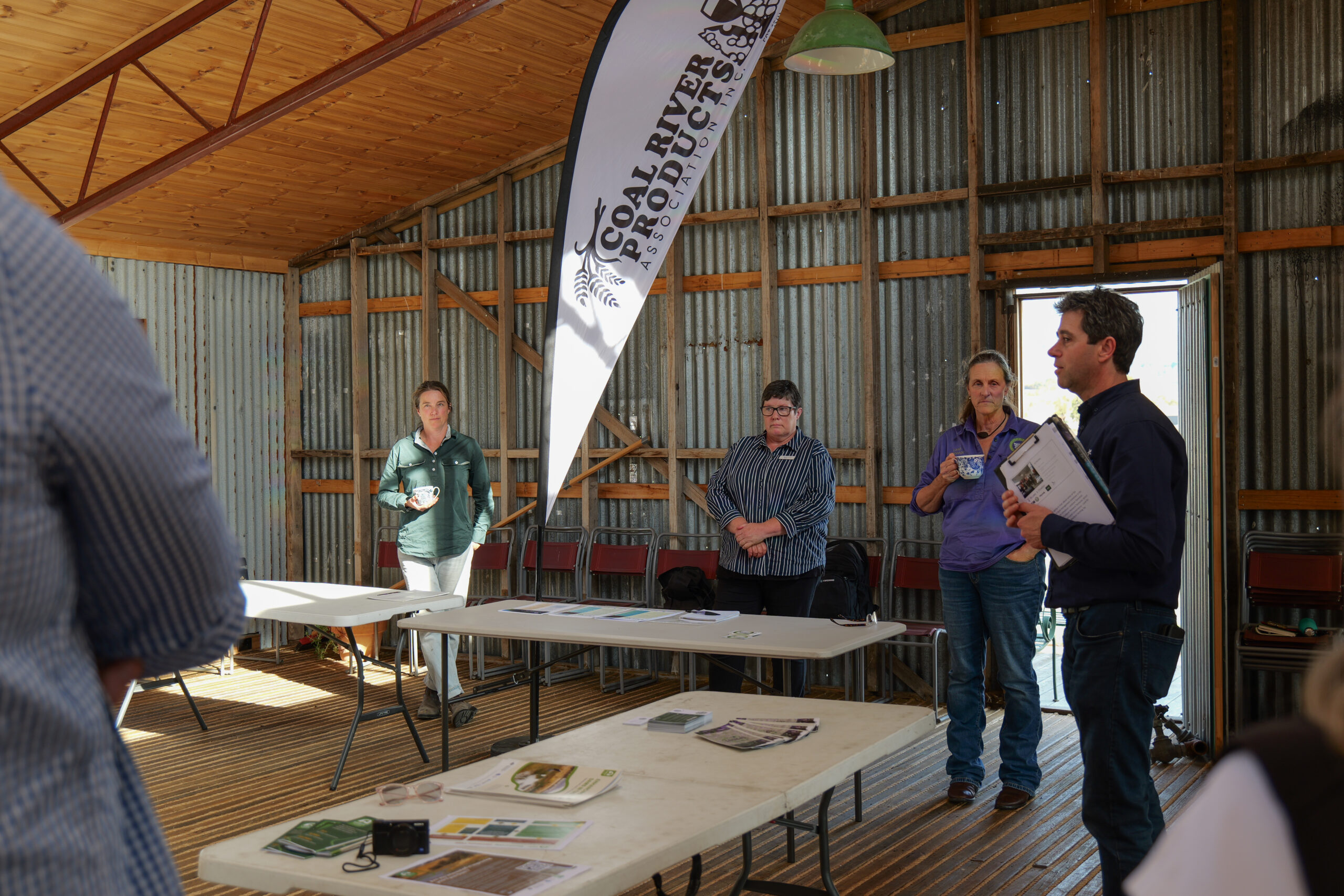
Over the course of six workshops, attendees went on a planning journey that began with the basics - starting with understanding the principles of property management planning and applying these to their individual vision and circumstances. Tailored property maps, soil testing and weed surveys, and insights from industry experts further helped attendees gain a deeper understanding of the opportunities and limitations of their smallholdings, build new connections in their community and gain confidence in developing a vision for their property that was right for them.
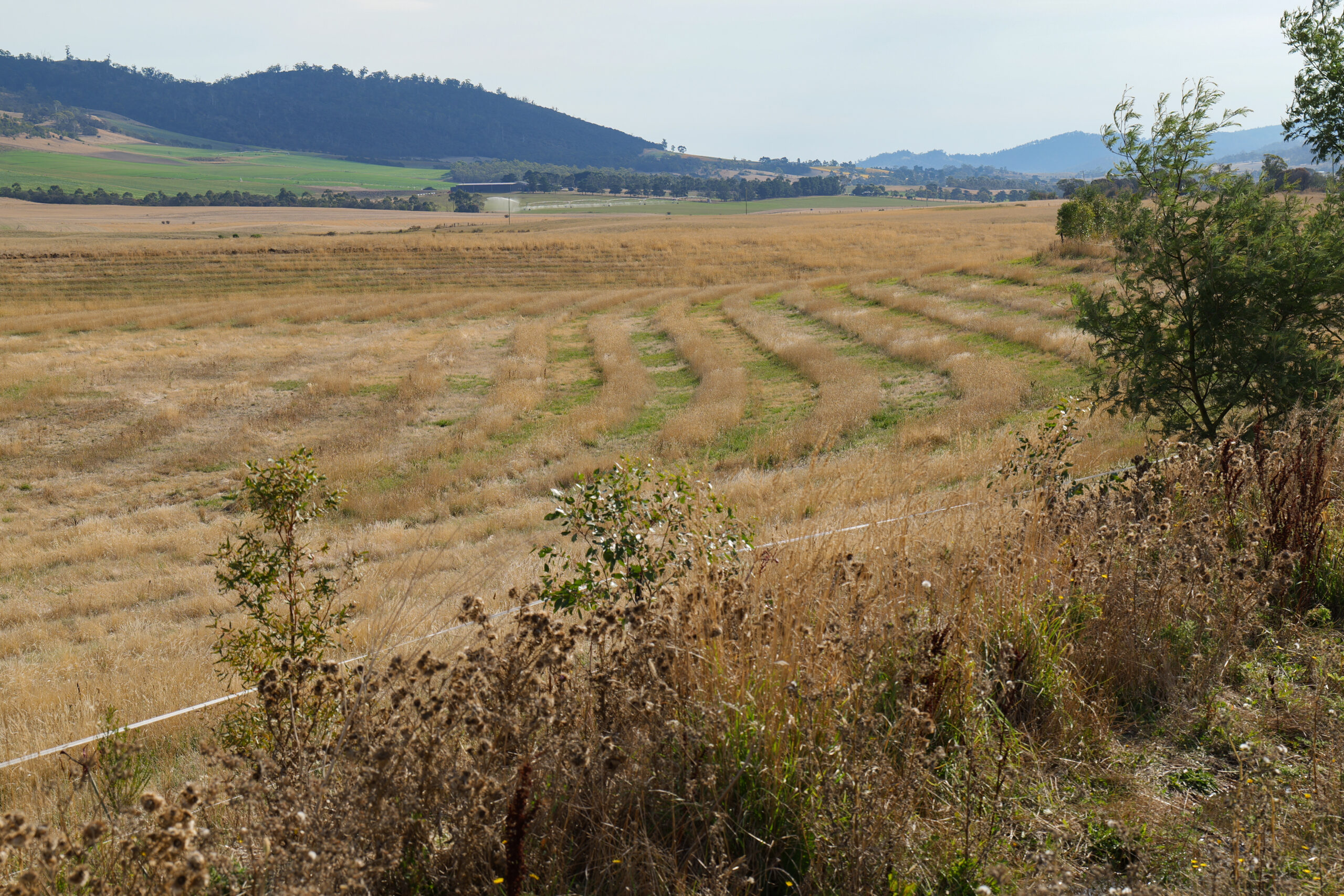
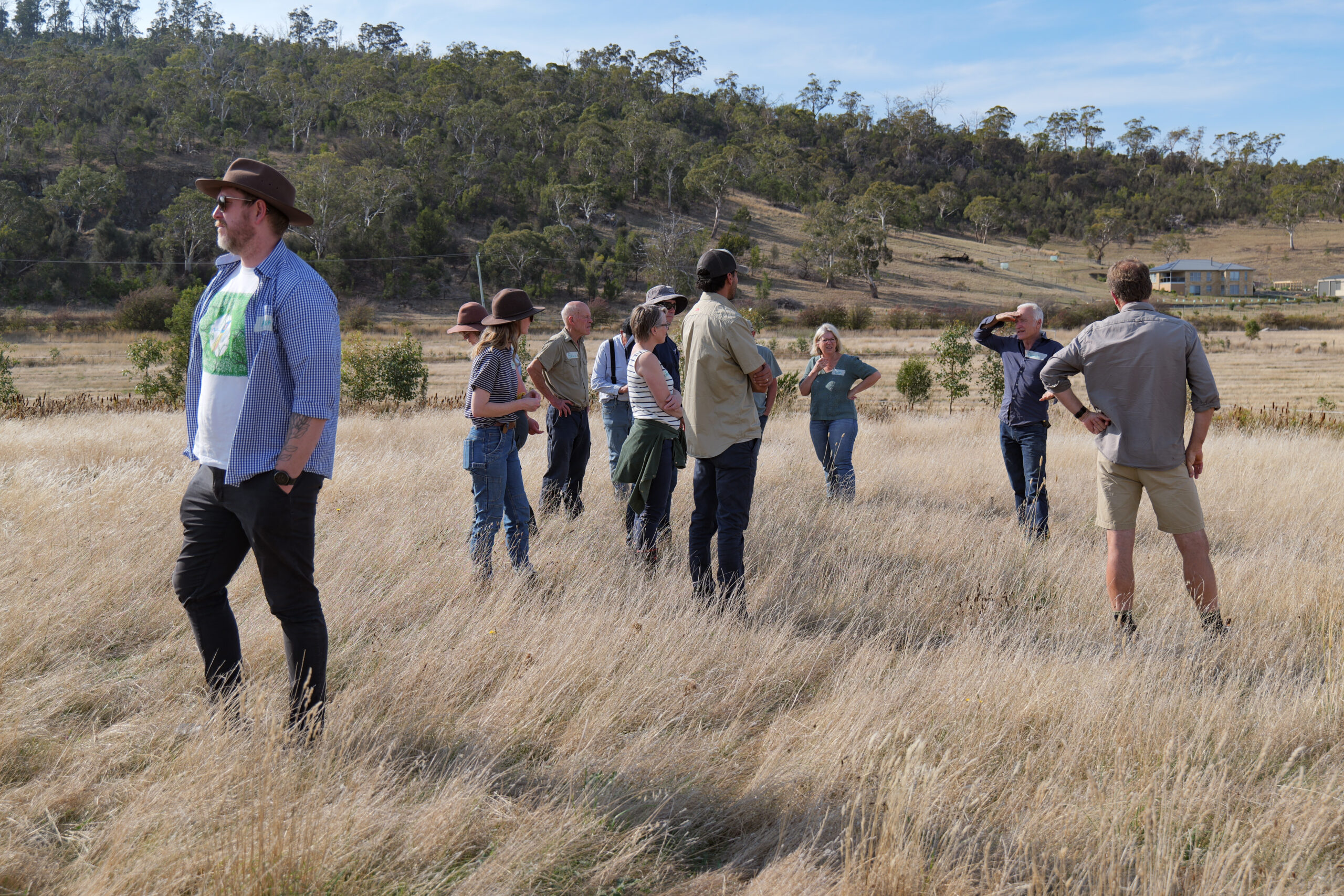
We dug deep into the principles of wise soil and water management with practical sessions on assessing soil health, including a paddock walk to look at soil health and pasture management decision-making – thanks to the expertise of pasture experts Peter Ball from the Derwent Catchment Project and Jason Lynch from Pinion Advisory. We got into the weeds during Workshop 4, with environmental rehabilitation specialist Axel Meiss helping the group learn more tactical and practical ways to manage weeds and establish native vegetation for biodiversity and to support farm productivity. The remaining workshops covered important topics including understanding how to manage bushfire risk, fencing and animal health, and farm biosecurity.
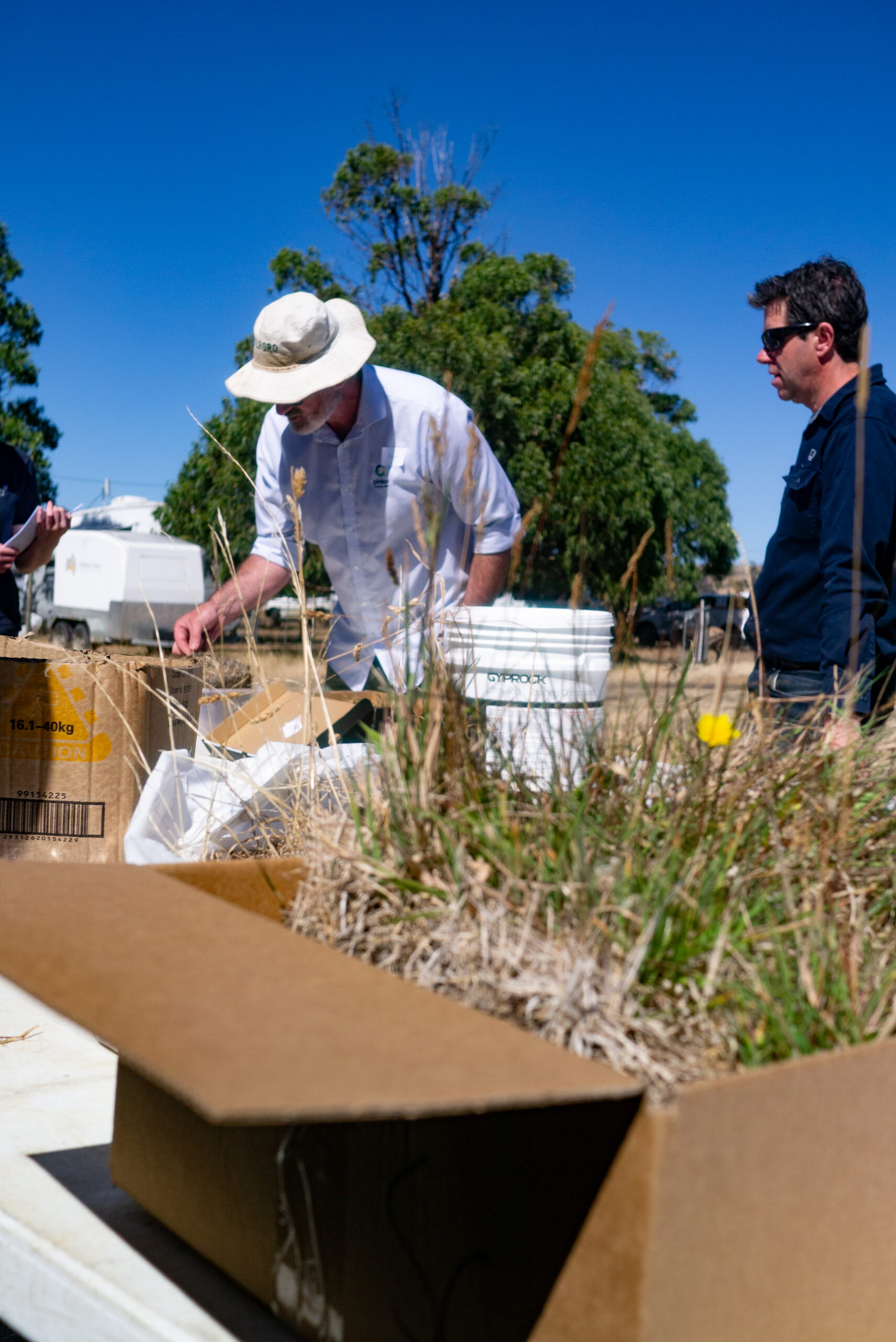
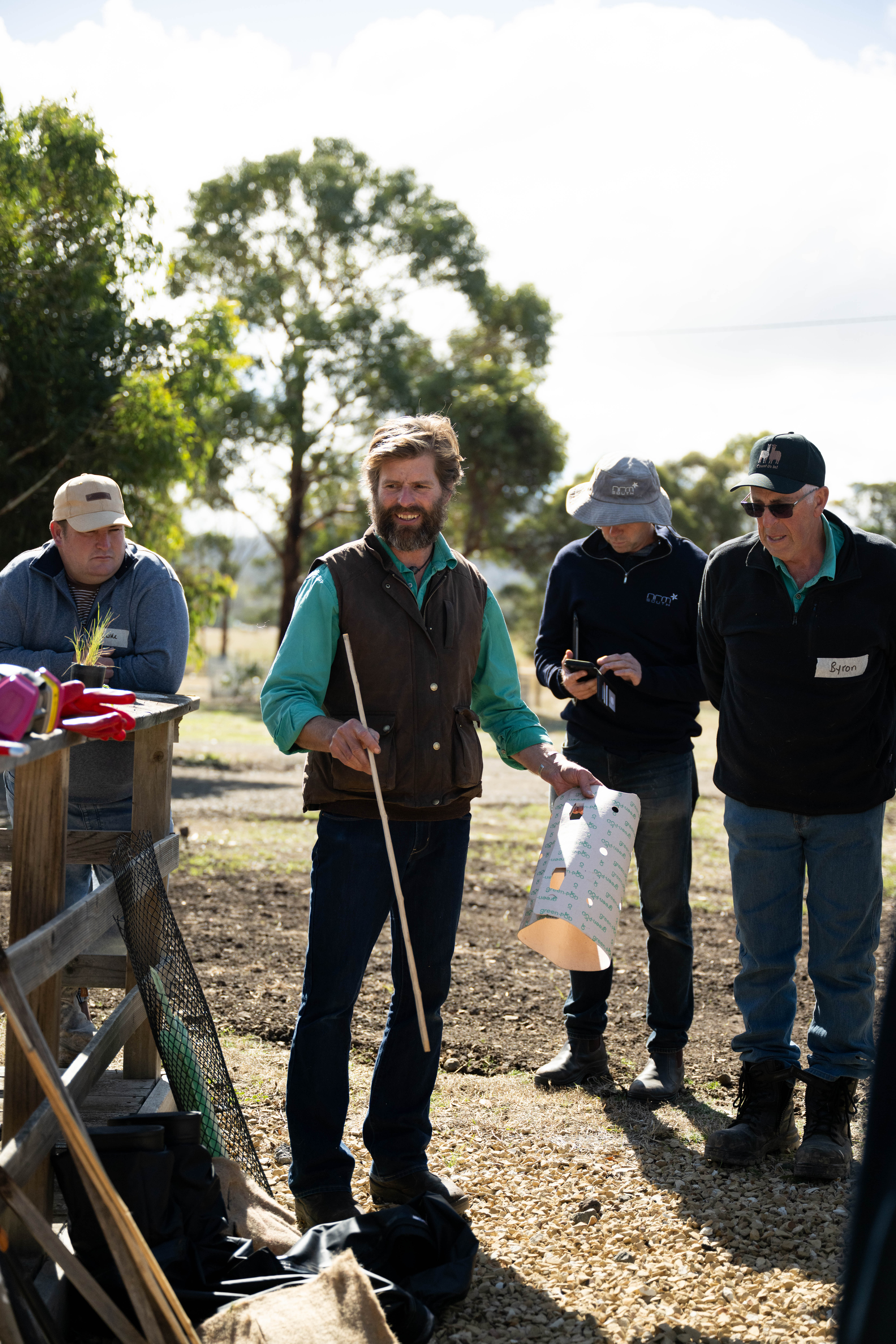
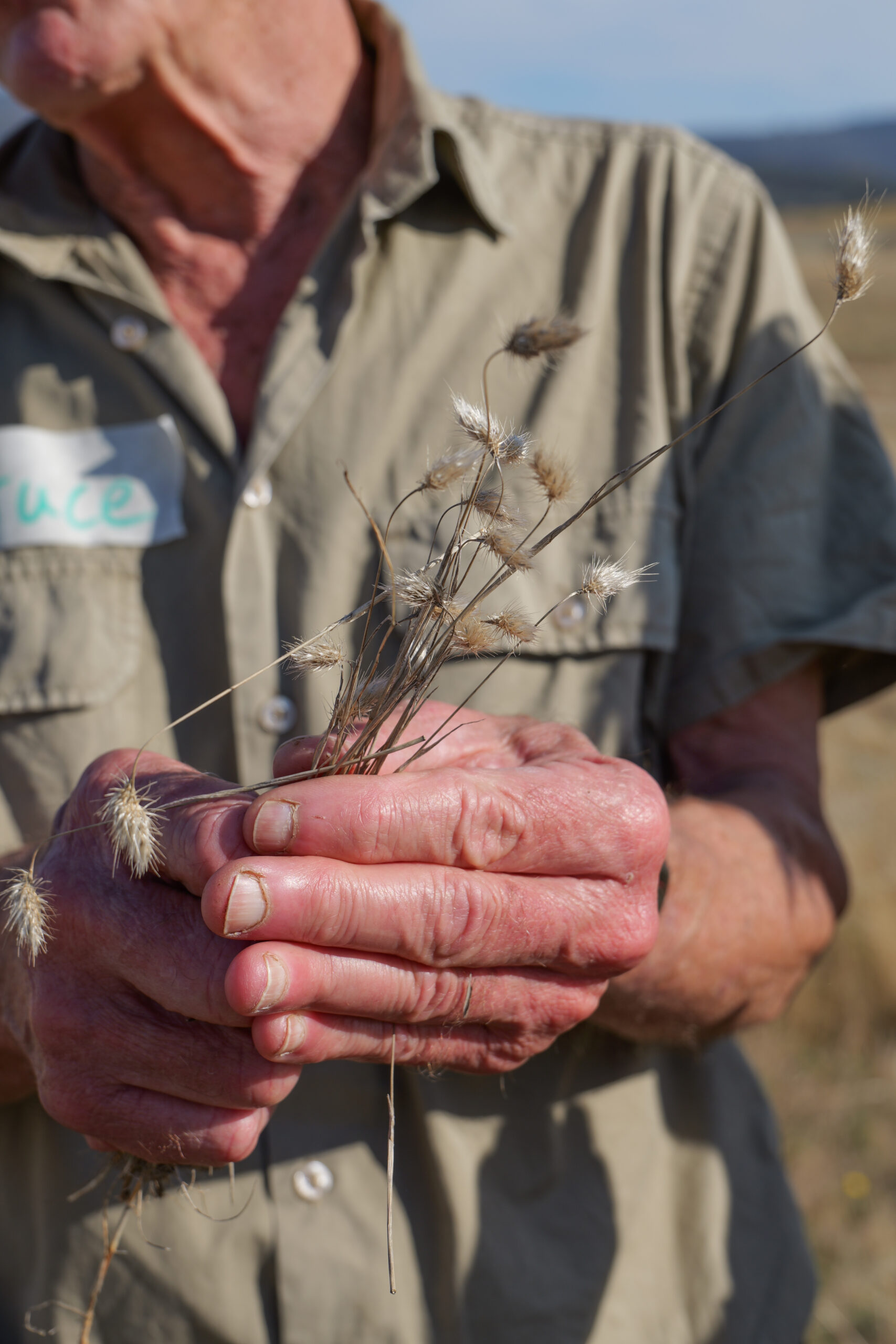
Our final workshop culminated in a farm tour and networking event at Ripple Farm just outside of Richmond. We discussed the history of the property and the host farmers approach to regenerative farming practices, the changes he has seen over the years and his plans for the future
Participants told us that the course helped them get a clear direction and was a great starting point for putting their property plans into action by helping them prioritise the most important and manageable actions out of a long list of tasks and aspirations. They also found inspiration in hearing a range of views around property management, helping them look at their farms in a more holistic way. As a result of attending the course, most participants are planning to make improvements to their pasture, reduce their stocking rates, strategically plant native vegetation to retain more water on the land, provide more shelter for stock and improve biodiversity on their farms. Our PMP workshops will run again in autumn 2027 and we'll be providing details about where and when the workshops will run later this year. In the meantime, if you would like to register your interest early, you can get in touch with our Land Program Coordinator, Tim Ackroyd. Click here for contact details and more information.
This project is supported by the Australian Government through funding from the Natural Heritage Trust under the Climate-Smart Agriculture Program.