
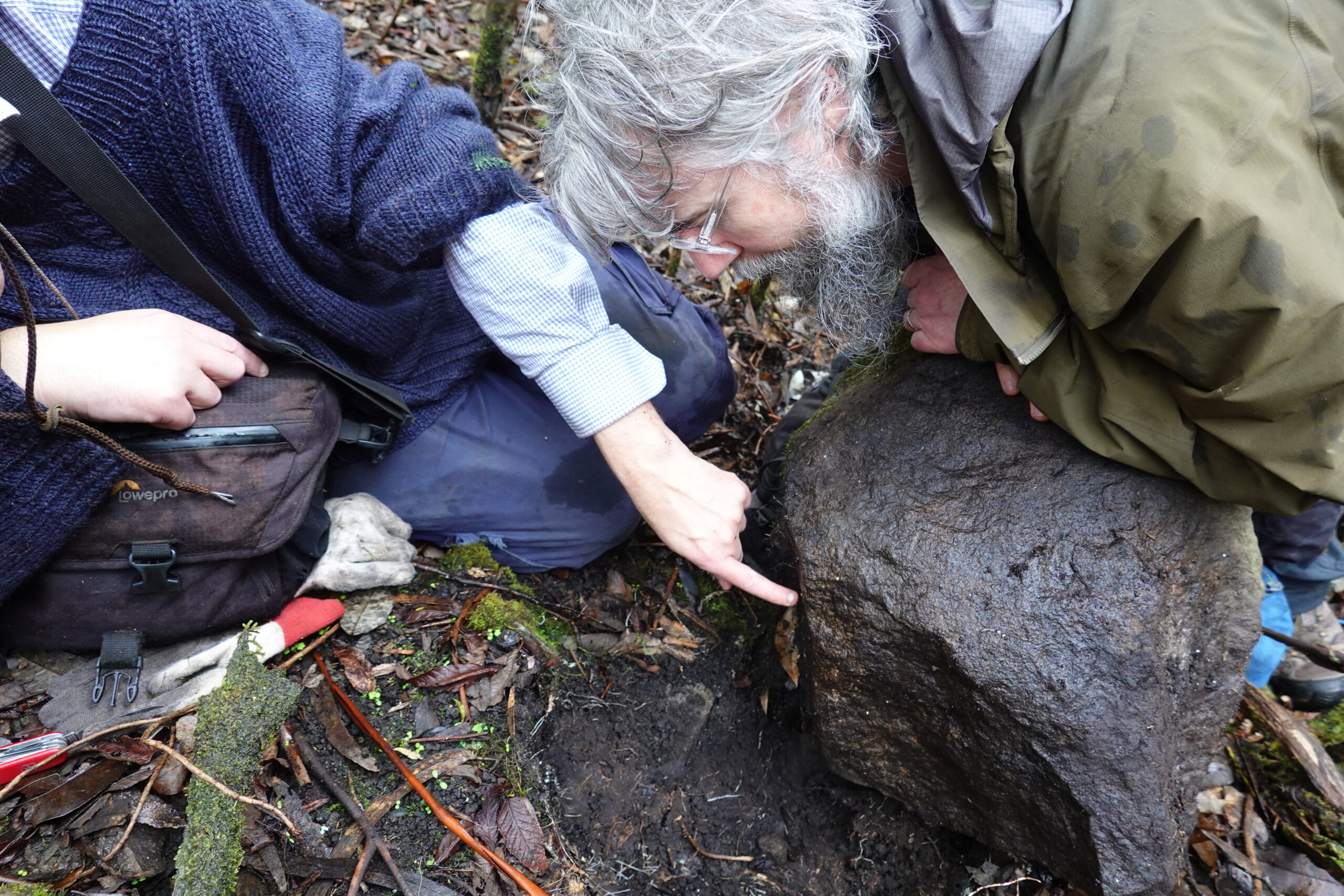
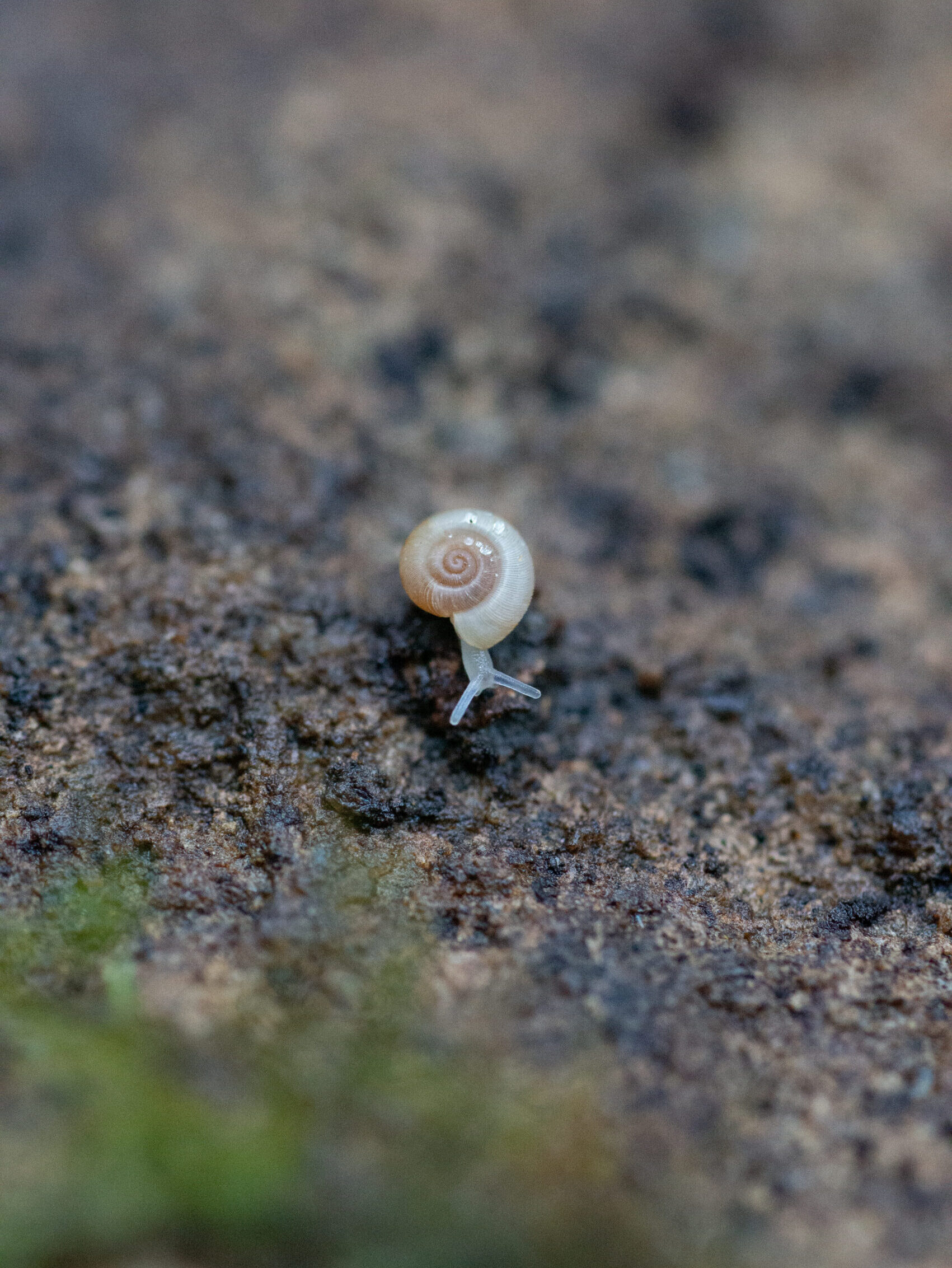
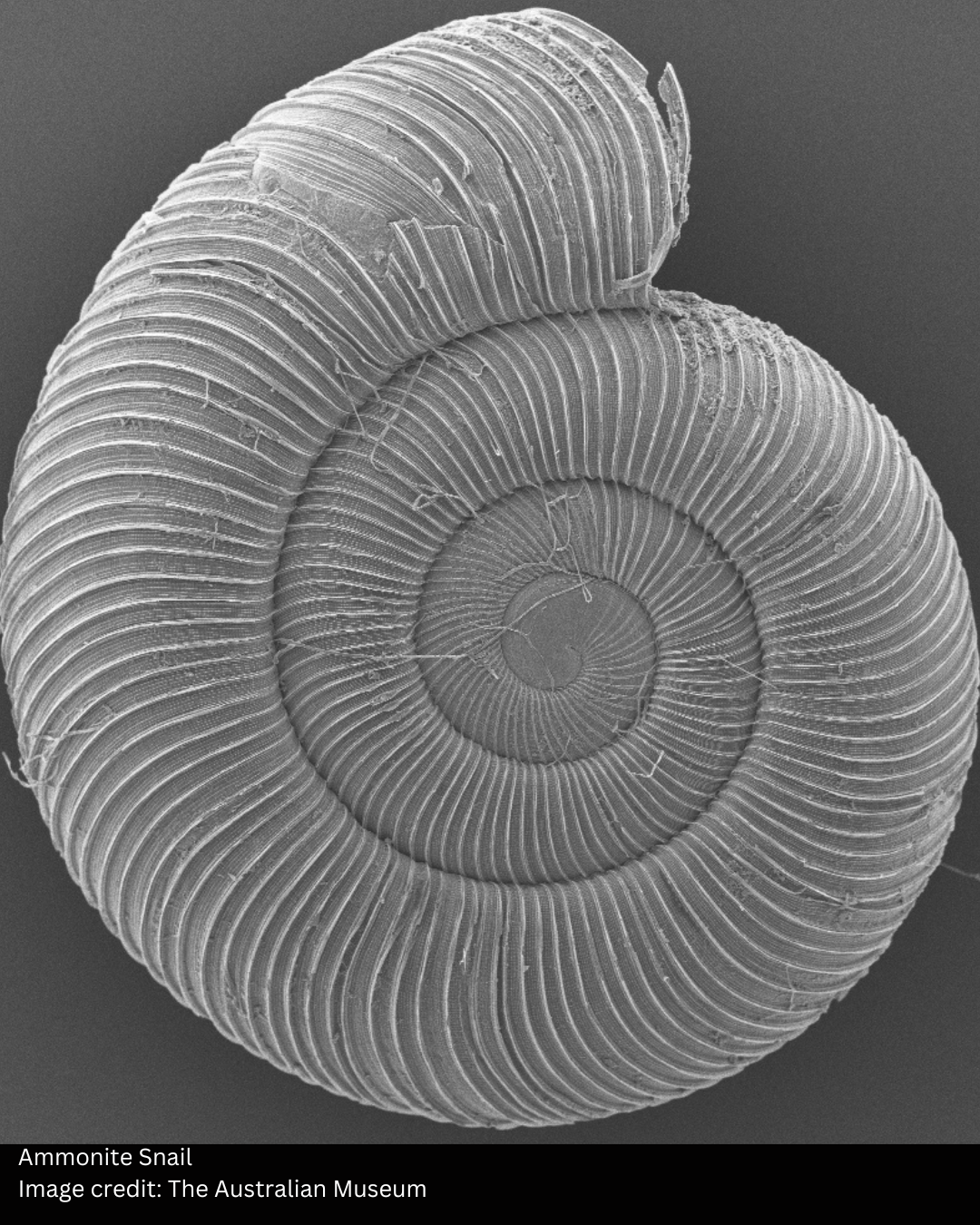
With the recent completion of our Ammonite Snail project, we are celebrating the outcomes of what has been an important body of work focused on one of southern Tasmania’s lesser-known and highly threatened species. Through field surveys, genetic research, habitat protection and practical support for land managers, the project has strengthened understanding of the species, developed tools available for its detection and management, and delivered real on-ground conservation outcomes that will support future recovery efforts.
Strengthening our understanding of the species
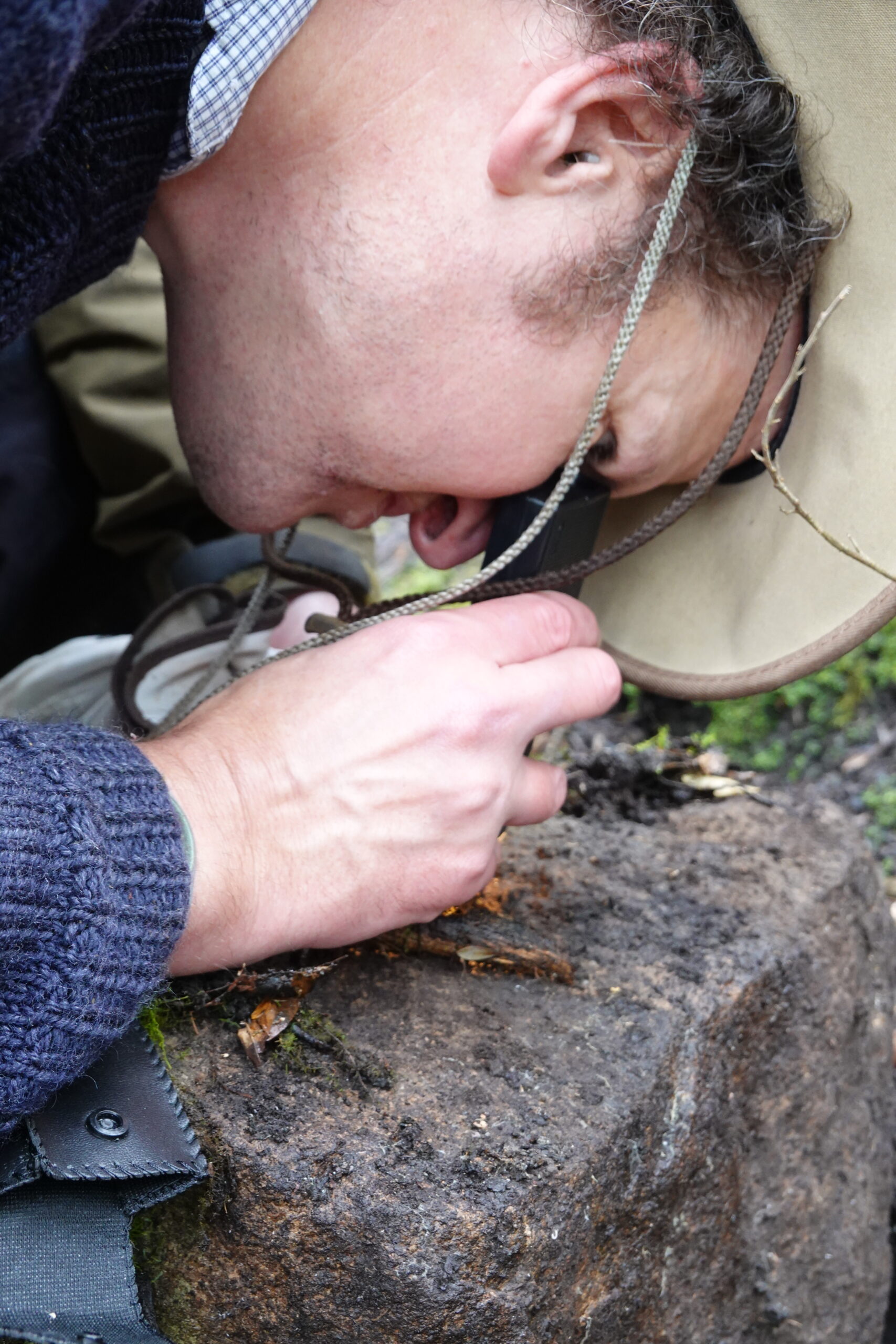
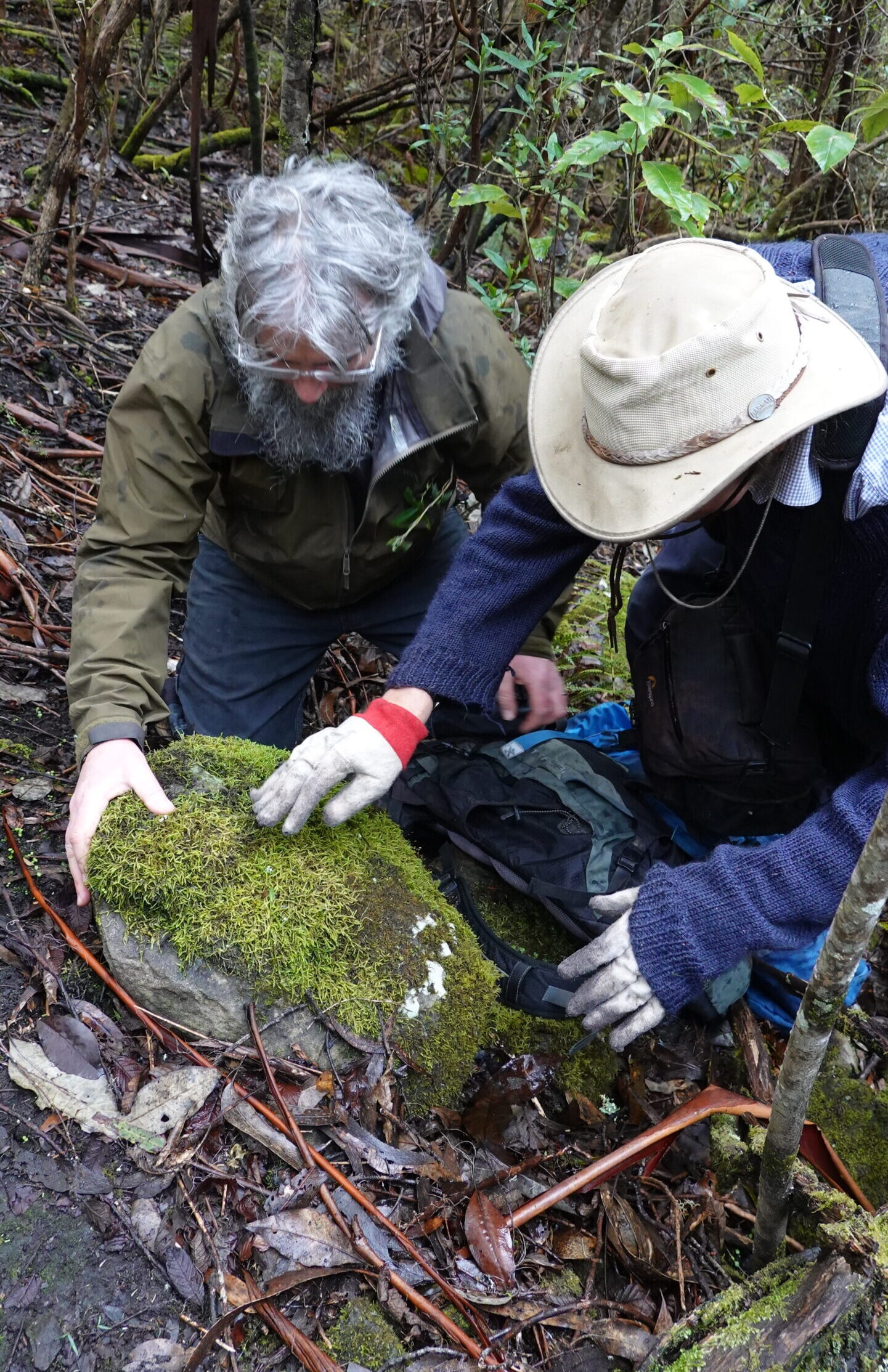
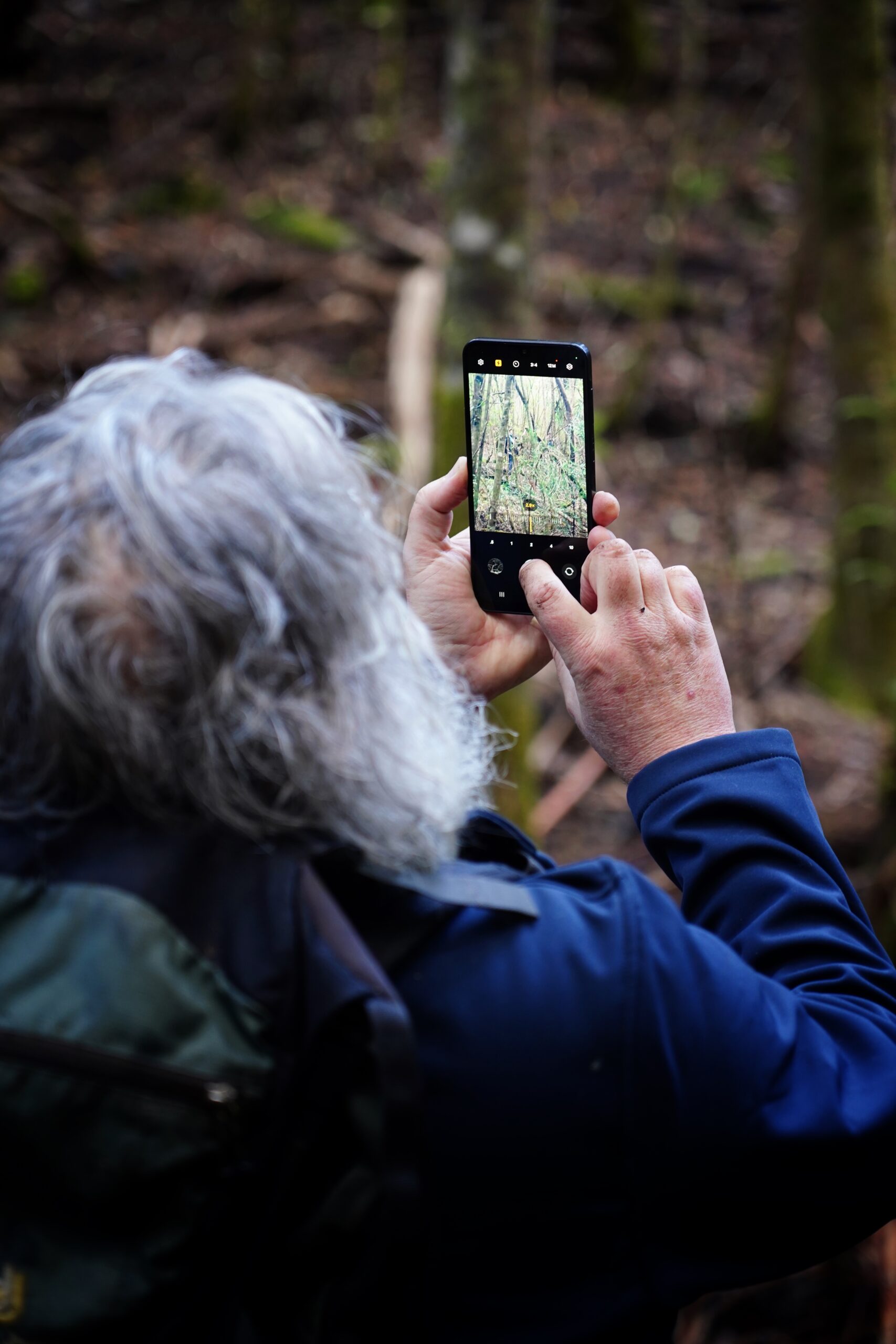
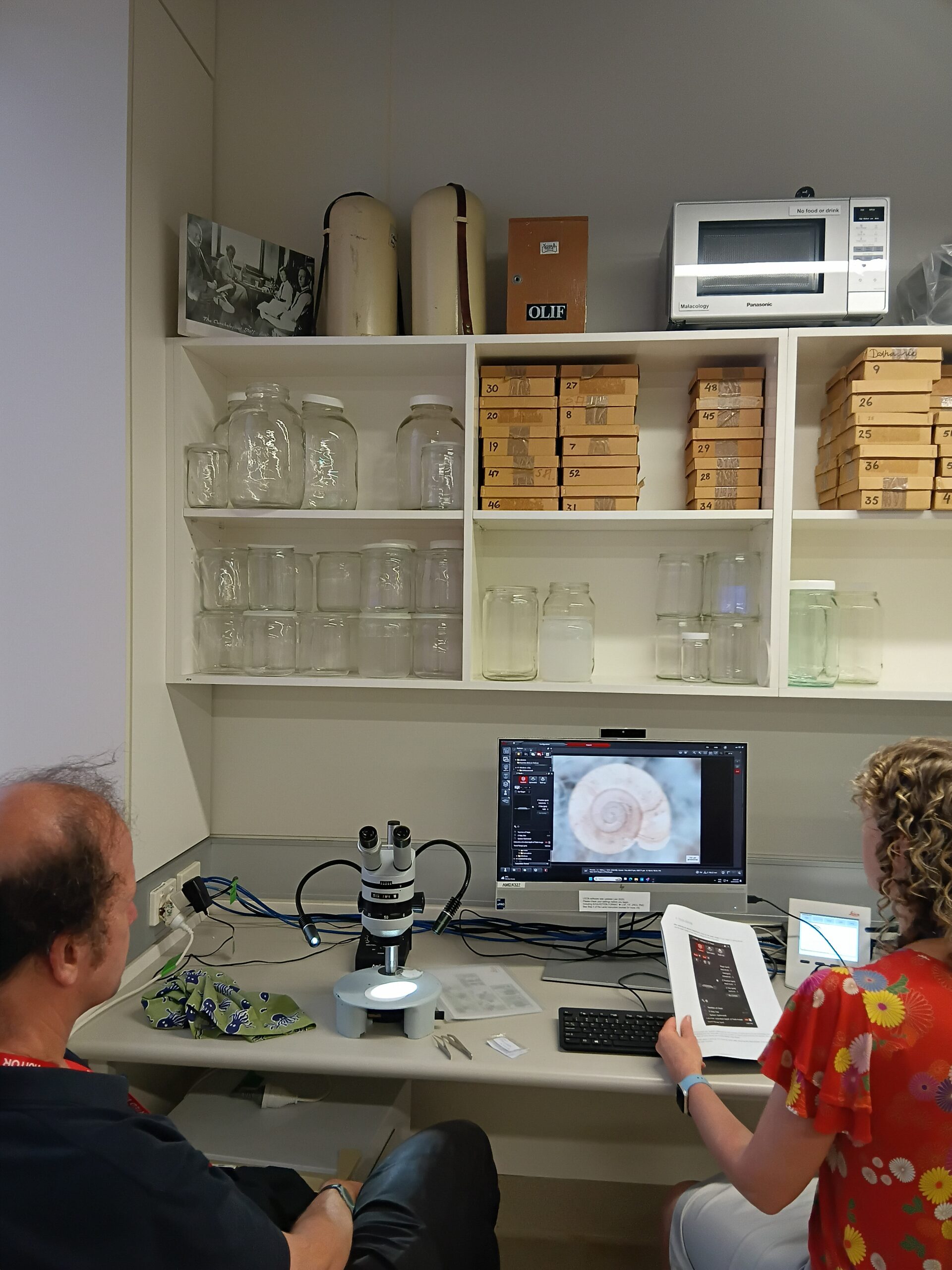
A significant outcome of the project was confirming that Ammonite Snails have a distinct genetic lineage that distinguishes them from other similar Tasmanian snails in the same taxonomic group. The project also delivered advances in understanding where the Ammonite Snail is found and how to better protect it. Four new locations were identified over the course of the project, helping to fill important gaps in knowledge of the species’ distribution. These findings have boosted what we know about this cryptic species, and ensures future survey and management efforts are appropriately focused.
New tools and on-ground outcomes
The first species distribution models for the Ammonite Snail were developed, providing a predictive picture of where suitable habitat may occur and showing that climate change could have mild to high impacts on the species depending on future scenarios.
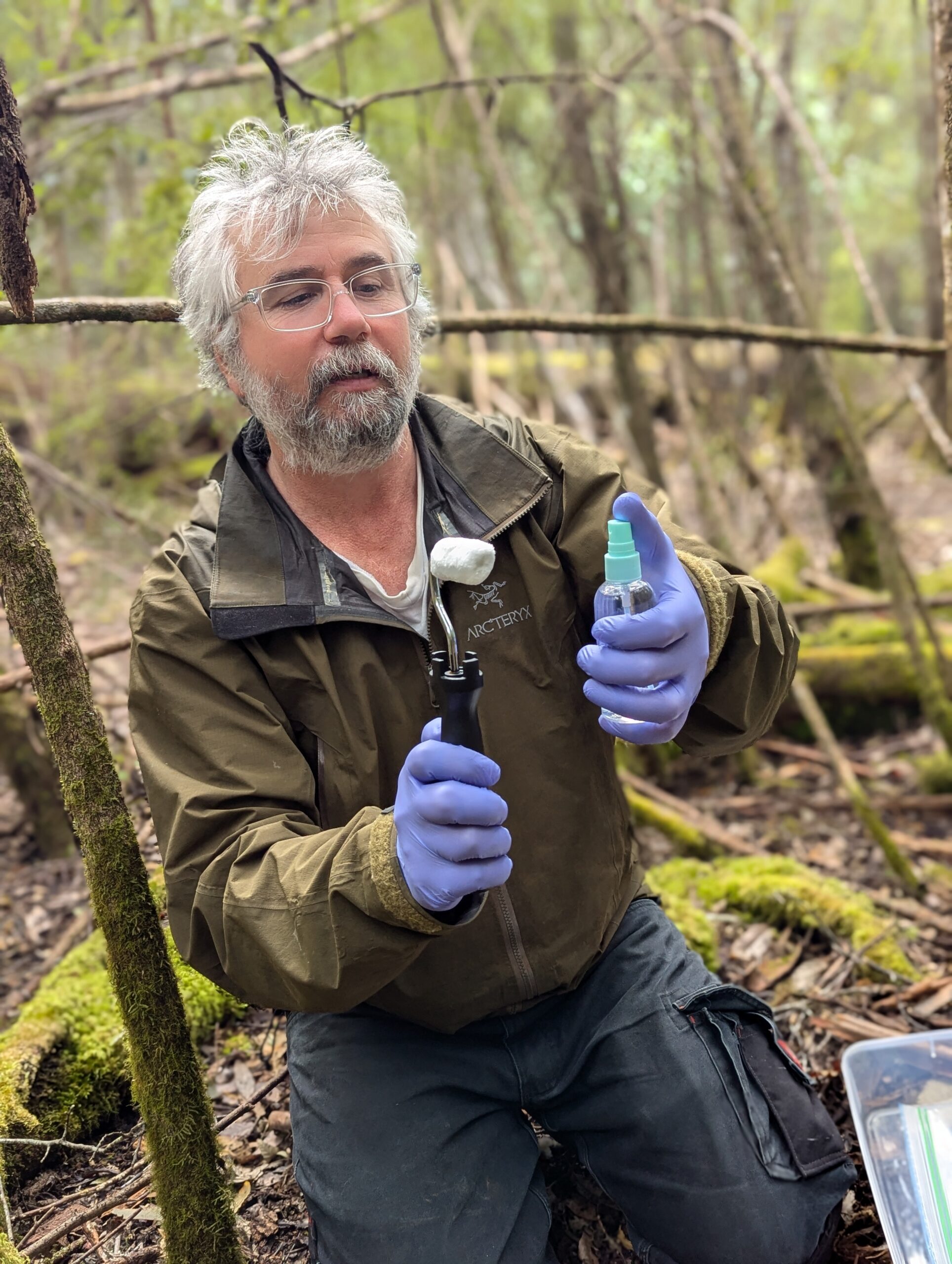
Alongside this work, a species-specific eDNA marker was developed, creating a promising tool for future surveys and research. On-ground conservation actions were carried out across five properties, with land management plans and bush care works helping to protect 17 hectares of habitat. New management guidelines were developed and shared with local land managers, bringing together practical advice on threats to the species and the actions that can help reduce them.
Looking ahead
This project has laid an important foundation for the future conservation of the Ammonite Snail. Building on this work could include expanding survey effort into additional areas, developing the new eDNA tool more broadly, refining species distribution modelling as more records become available, and continuing to work with landholders to protect habitat in places likely to support the species. As climate change and fire remain ongoing challenges, future efforts could also focus on long-term monitoring, climate resilience planning and integrating species protection into broader land and fire management decisions.
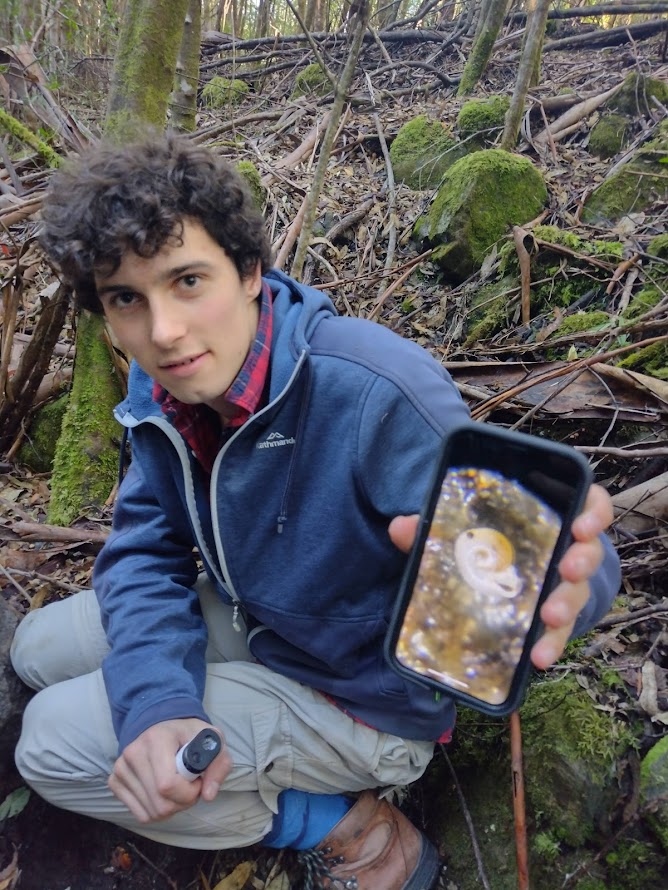
Protecting threatened species such as the Ammonite Snail requires long-term collaboration, science-led management and support from landholders and partners. The success of this project would not have been possible without the invaluable expertise of independent researcher Dr Kevin Bonham, as well as Dr Isabel Hyman from the Australian Museum.
The outcomes of this project provide a strong platform for future conservation action, and we will continue to look for opportunities to build on this work in partnership with others.
This project is supported by NRM South through funding from The Australian Government’s Saving Native Species Grant.