Circular Economy Solutions
Practical solutions to reduce waste and improve resource use across southern Tasmania’s primary industries
Healthy landscapes depend on more than the management of land, water and biodiversity. Southern Tasmania’s long-term resilience also relies on the systems that support our communities, industries and economy.
Our Circular Economy Solutions program addresses emerging regional challenges that influence how natural resources are managed, valued and sustained. Through this work, are supporting circular economy initiatives, improved resource efficiency and fostering collaboration that enables communities and industries to adapt to changing environmental, economic and social conditions.
By bringing together government, industry, researchers and community, we are helping to develop practical, evidence-based solutions that support both healthy ecosystems and resilient regional communities.
Primary Industry Circular Economy
Supporting practical solutions to reduce waste and improve resource use across Southern Tasmania’s primary industries
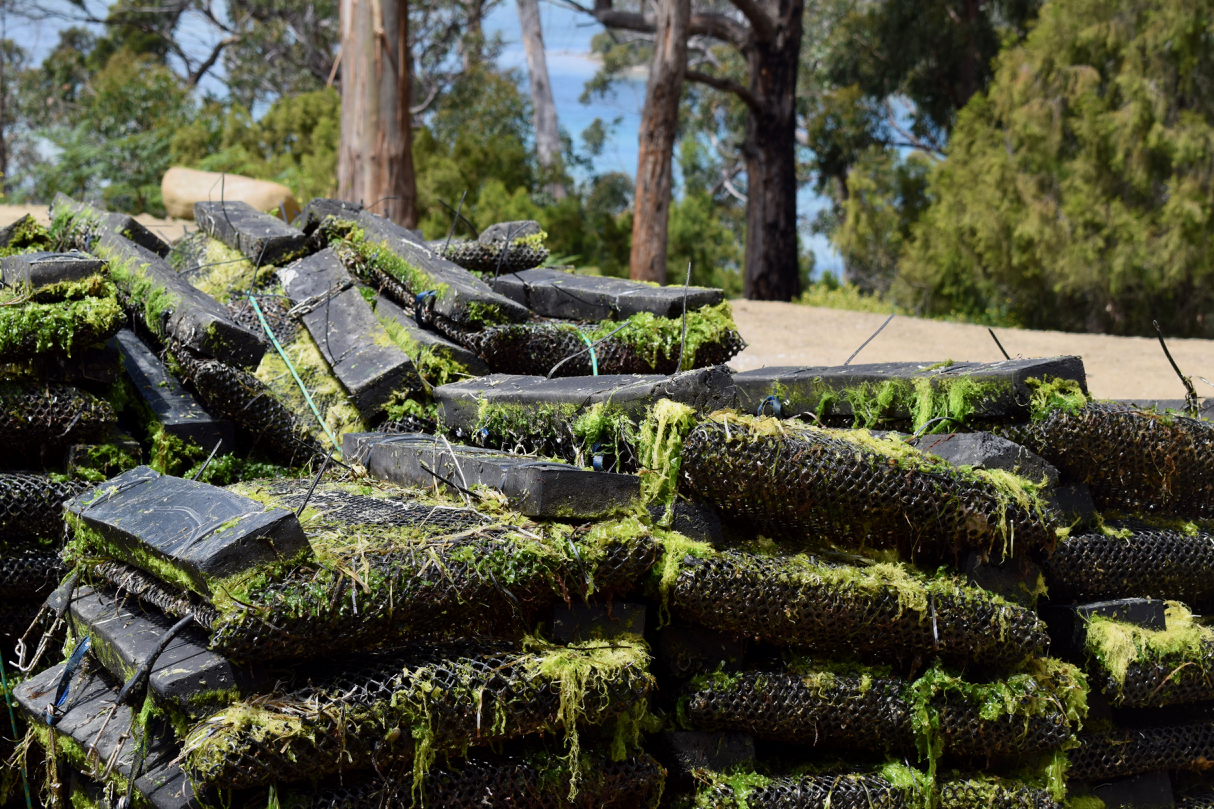
Primary industries are central to southern Tasmania’s economy, landscapes and communities, but many of the materials generated through farming and food production still have limited options for reuse or recycling. Organic by-products, agricultural plastics, aquaculture infrastructure, and other farm materials are often difficult or expensive to recover due to transport costs, limited local processing and fragmented collection systems.
We are working with industry, government and regional partners to better understand these challenges and identify practical opportunities to improve resource recovery. Through research, collaboration and pilot projects, we are helping build the knowledge and partnerships needed to support more circular approaches across the region.
KEY INITIATIVES
Waste Management & Circular Economy
Primary Industry Consultation on Waste Management and Circular Economy Opportunities
Commissioned by TasWaste South, this project explored waste generation, current management practices and opportunities to improve resource recovery across Southern Tasmania’s primary industries.
The project involved a survey and interviews with producers, industry bodies, local government, waste and recycling operators, and other stakeholders. The final report identifies priority waste streams, key barriers and practical opportunities to improve how materials are managed, while providing an evidence base to inform future investment and regional action.
Project focus
Building regional knowledge
Building a clearer picture of the materials generated across Southern Tasmania’s primary industries, how they are currently managed, and where opportunities exist to improve recovery and reuse.
Supporting industry collaboration
Bringing together producers, industry organisations, local government and the resource recovery sector to better understand shared challenges and identify practical solutions.
Advancing circular economy solutions
Supporting projects that explore opportunities to recover value from agricultural and food production by-products through local reuse and other circular economy approaches.
Informing future action
Using research and on-ground experience to help guide future investment, collaboration and initiatives that improve resource efficiency across the region.
Strengthening regional resilience
Helping build more resilient food and agricultural systems by improving resource efficiency, reducing reliance on landfill and interstate disposal, and identifying opportunities to keep valuable resources circulating within the region.
Outcomes
- Improved understanding of priority waste streams across Southern Tasmania’s primary industries.
- Identification of key barriers and opportunities for improved resource recovery.
- Mapping of existing recovery pathways and infrastructure.
- Practical recommendations to inform future projects, investment and policy.
- Stronger collaboration between industry, government and the resource recovery sector.
Turning Waste into Local Resources Pilot
Turning Waste into Local Resources Pilot
Building on the regional assessment, NRM South secured funding through the Foundation for Rural & Regional Renewal (FRRR) to deliver a pilot project in the Coal River Valley.
The project will work with wineries, fruit growers, cheesemakers, distilleries and other food producers to map organic by-products and identify opportunities to use these materials locally. By connecting businesses that generate organic residuals with those that can make use of them, the pilot will test practical ways to reduce waste and keep valuable resources circulating within the local economy
Our project partners