
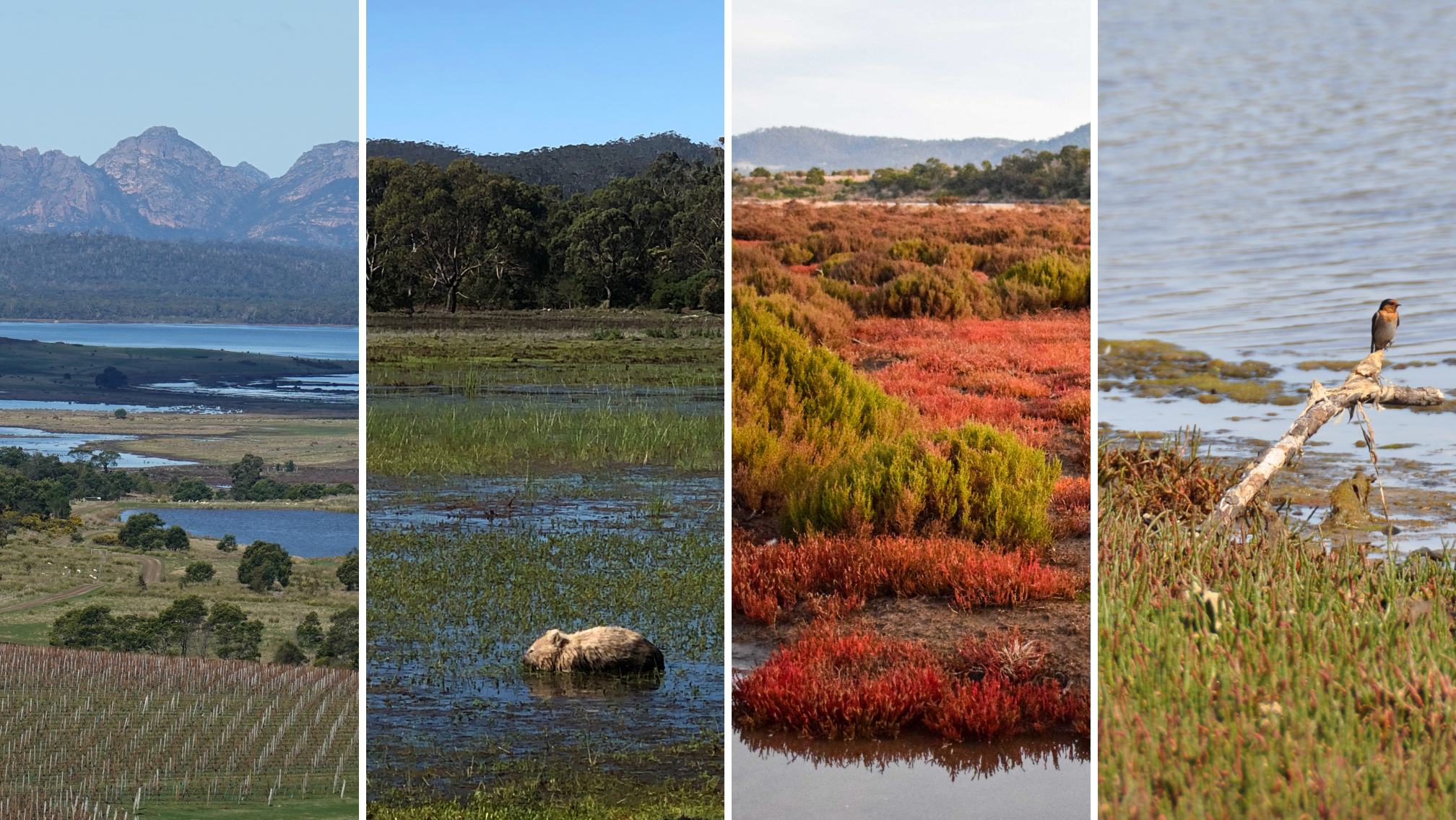
World Wetlands Day is coming up on 2 February, a day that highlights the important role that wetlands play in biodiversity, climate resilience and cultural heritage. Wetlands are among the planet’s most productive and valuable ecosystems, providing habitat for migratory birds, supporting fish populations, filtering water, storing carbon and buffering against climate extremes.
For over two decades, NRM South’s commitment to the conservation and protection of southern Tasmania’s internationally significant Ramsar-listed wetlands has delivered a model of sustained ecological stewardship, collaborative partnerships and community involvement. Our region is home to four Ramsar wetlands: Pitt Water-Orielton Lagoon in the Coal Valley, Moulting Lagoon and Apsley Marshes on the east coast, and Interlaken in the Central Highlands. As climate and land use pressures intensify, the future of Tasmania’s wetlands will be shaped by the actions we take now. World Wetlands Day celebrates our collective achievements, and gives us the opportunity to rally together to support what needs to happen next.
From baseline monitoring to landscape scale restoration at Pitt Water-Orielton Lagoon
From early actions to gather baseline data and develop a rehabilitation and monitoring project, support from successive Australian Government funding rounds over the past 20 years has seen a series of ongoing partnership projects evolve into a landscape-level restoration effort.
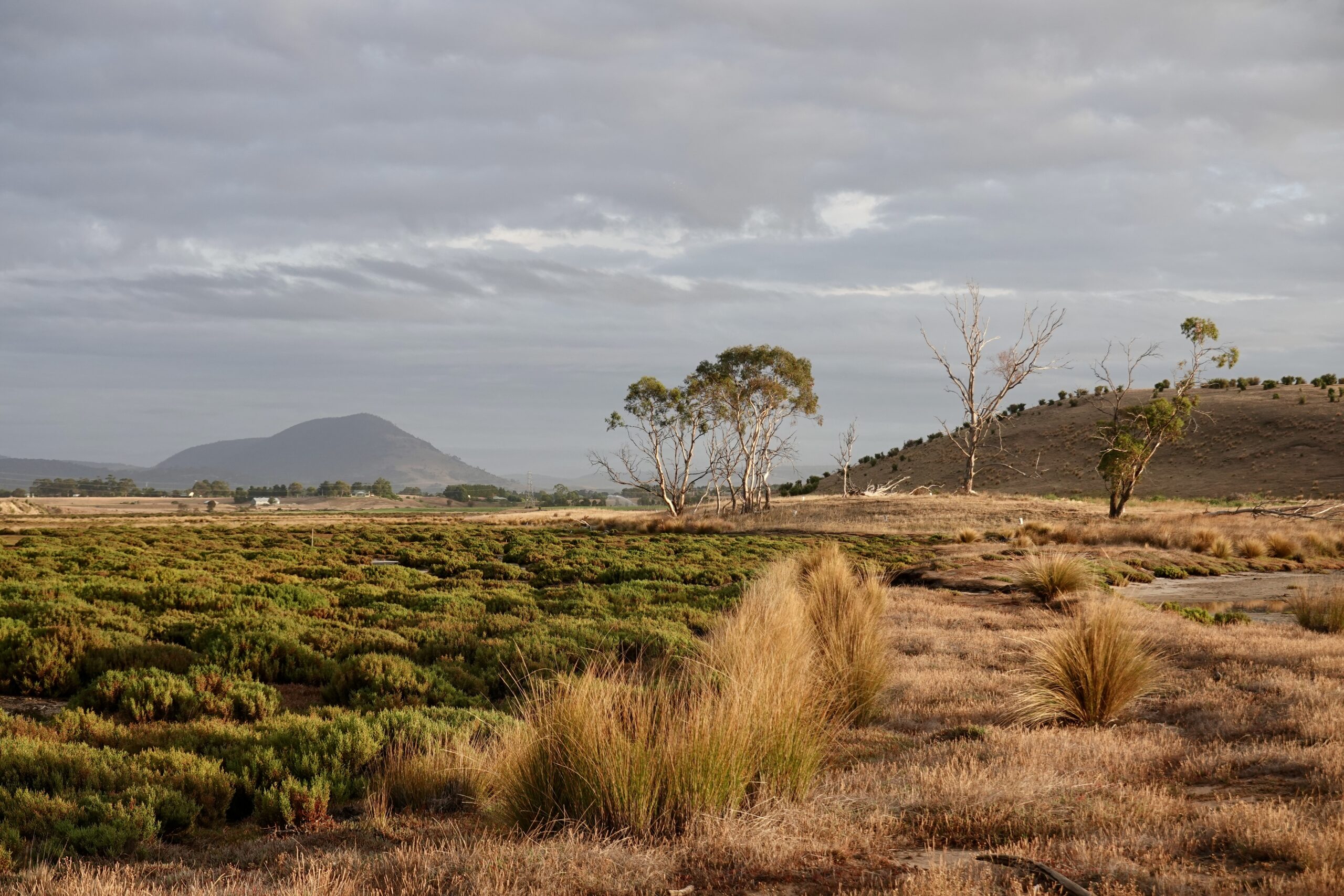
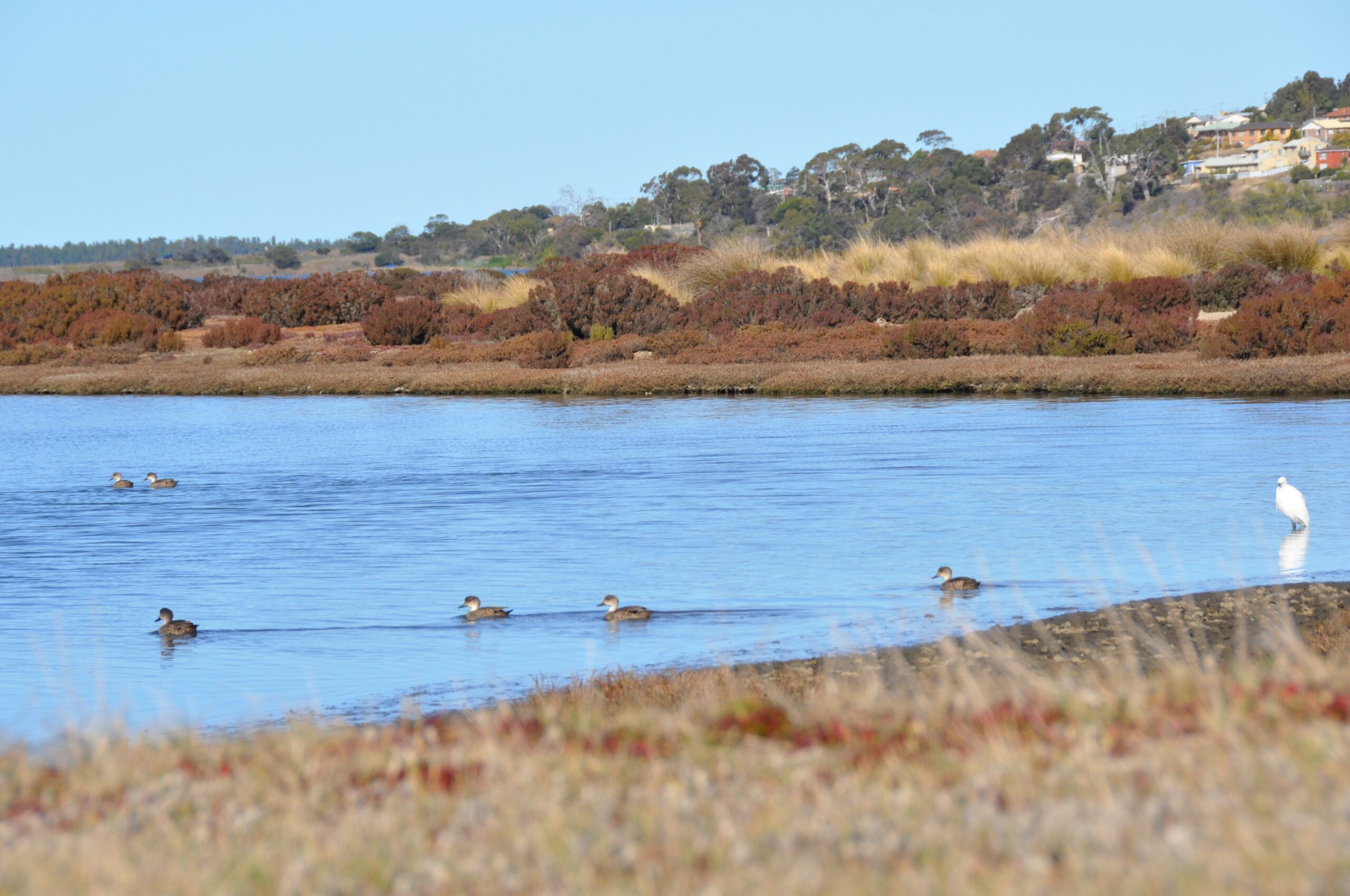
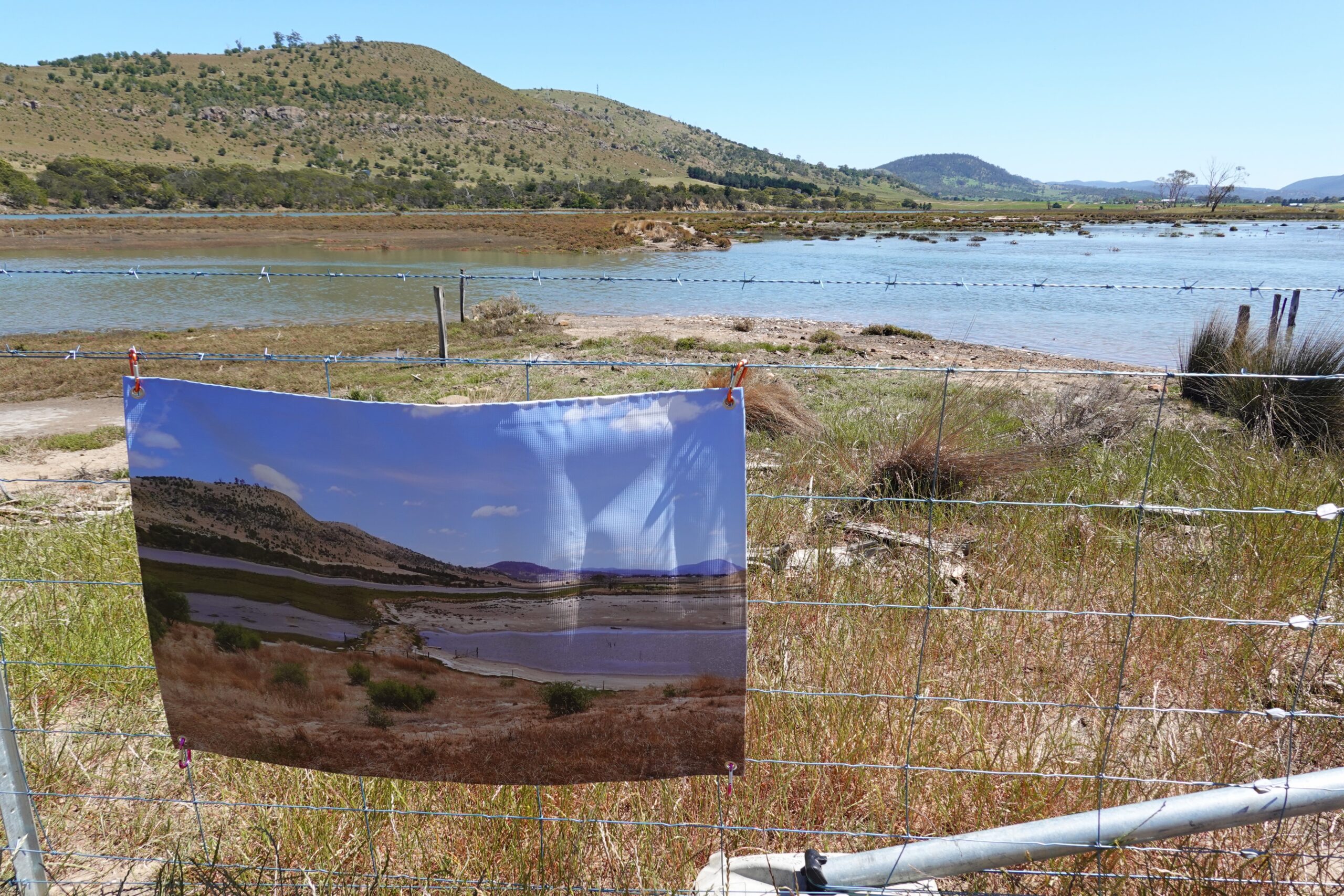
The transformative impact of this work can be seen in our recent Blue Carbon Ecosystem Restoration project, which focused on reinstating natural tidal flows to an area of stranded saltmarsh wetland. Through actions including earthworks to restore natural tidal flows, revegetation and ongoing monitoring, our work with partner organisations has broadened our understanding of the multiple benefits that healthy wetlands bring to both nature and local communities. This work has laid the foundations for the next phase of wetland restoration at Pitt Water–Orielton Lagoon. We are working to build broader carbon sequestration outcomes, strengthen climate adaptation planning and expand opportunities for community, research, and business participation and partnerships. With the right investment, these wetlands will continue to lead nationally in demonstrating how restoration delivers environmental, social and economic returns.
Complementing this work, our ongoing Rivers to Ramsar project is tackling pressures from urban development, agricultural runoff, invasive species and altered hydrology by restoring riparian vegetation, controlling weeds, fencing sensitive areas and improving water quality across waterways feeding the lagoon. Together, these actions are building a catchment-wide model for protecting Ramsar wetlands in the face of growing development pressures. This model can be strengthened and replicated across Tasmania.
Supporting Significant Wetlands on the East Coast
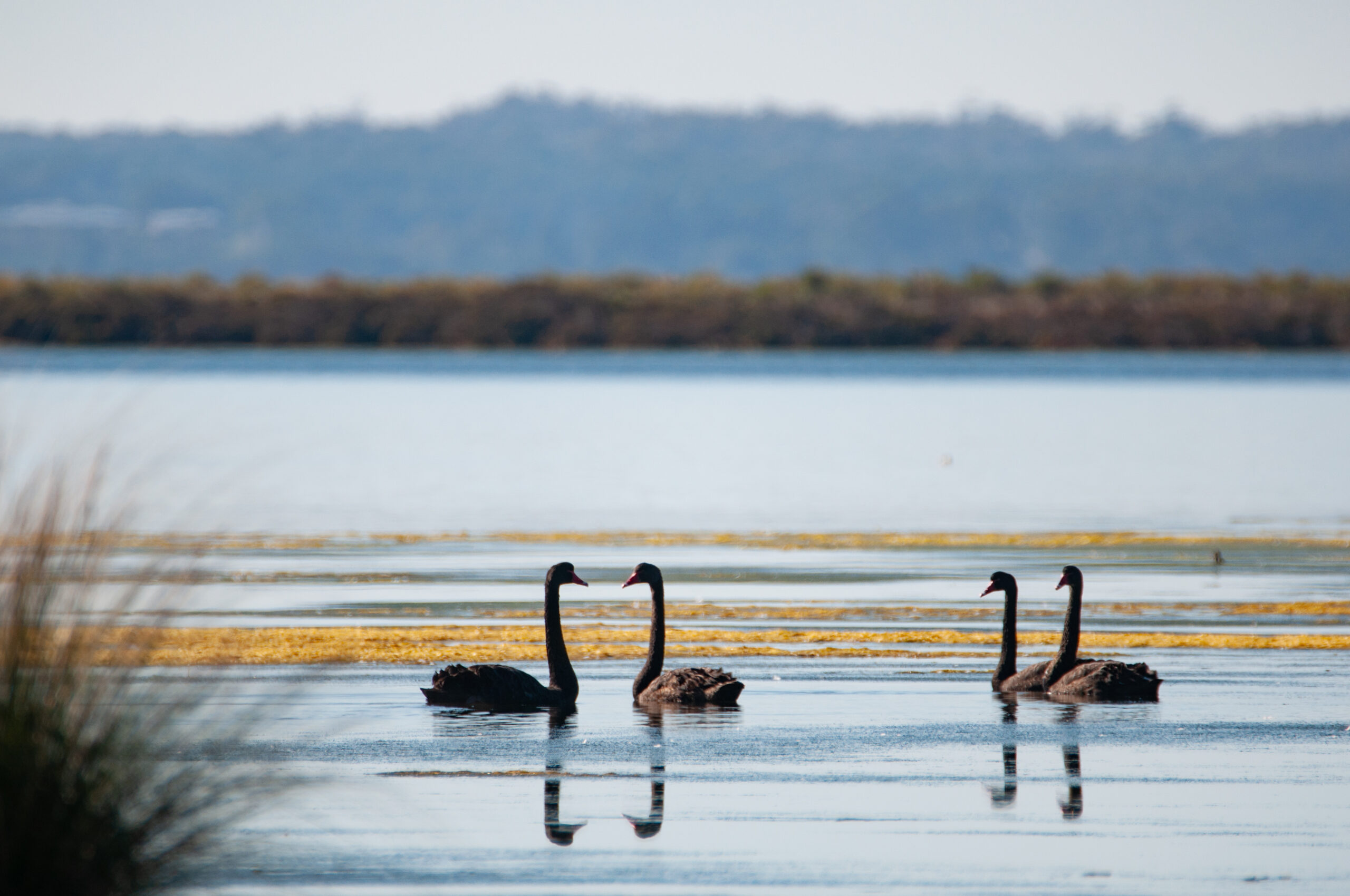
Farther afield, our targeted actions over the past two decades at Moulting Lagoon- Apsley Marshes have addressed threats from invasive species, livestock impacts, changed drainage and climate change – helping to enhance saltmarsh and wetland health across this ecologically rich coastal system.
Our current work with project partners including Nature Glenelg Trust, the Tasmanian Aboriginal Centre, the Tasmanian Land Conservancy, the University of Tasmania and local landholders is aimed at improving the health and condition of these wetlands. Actions including hydrological restoration, weed control, revegetation, erosion reduction and community engagement, are bolstering habitat for migratory birds and aquatic life as well as supporting agricultural and tourism activities that rely on healthy wetlands.
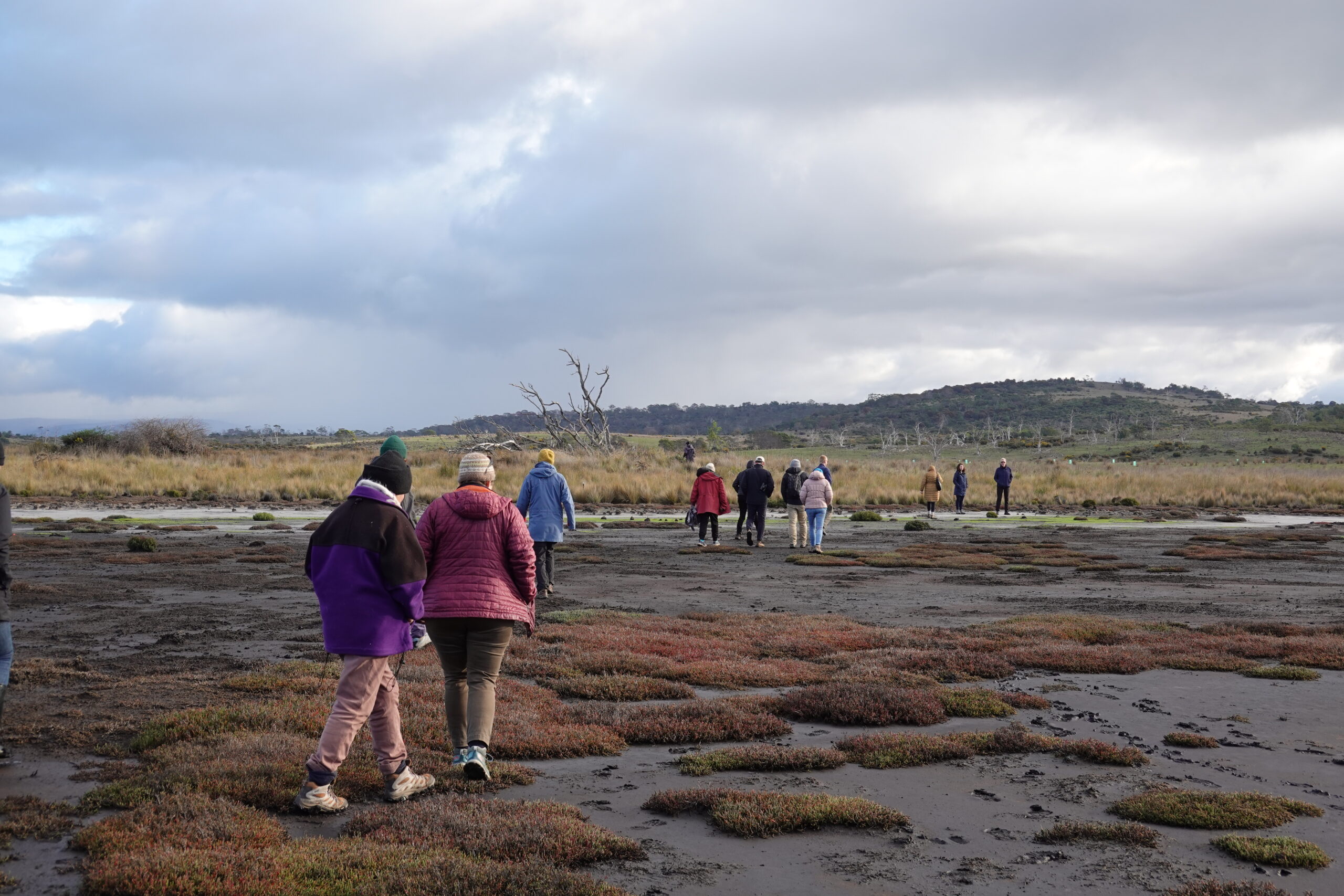
Importantly, current and recent projects integrate cultural connection and traditional knowledge, with initiatives that support Tasmanian Aboriginal community involvement in land management, cultural practices and skill development – ensuring that conservation respects both ecological and heritage values.
Looking ahead, sustaining the health of Moulting Lagoon-Apsley Marshes will depend on continued collaboration between landholders, researchers and funders. It’s critical to continue actions that enable us to respond adaptively as climate impacts intensify. NRM South’s long-term presence and collaborative approach positions us to support that next chapter. Strengthening Palawa partnerships is also essential – not only for better environmental outcomes, but for ensuring wetlands continue to be places of living culture, learning and intergenerational stewardship.
Improving wetland condition at Interlaken (past project)
Interlaken Lakeside Reserve supports diverse wetland vegetation communities, waterbirds, aquatic invertebrates and other freshwater species that rely on healthy water regimes and intact habitat. Ongoing pressures such as invasive species, altered water levels and climate impacts continue to influence the system, reinforcing the importance of sustained, coordinated management.
Our past work at Interlaken has focused on improving wetland condition and resilience through collaborative action on weed management, wetland health, and threatened species conservation. These efforts have contributed to a stronger understanding of ecological condition, key pressures, and priority actions needed to protect and restore wetland values over time. While much has been learned through past projects, Interlaken remains a system where renewed investment and coordinated action could deliver significant gains for wetland resilience and threatened species. Wetland protection is not a one-off intervention, but a long-term commitment.
Collaboration and Community Impact
Across all these important ecosystems, our work exemplifies what sustained regional natural resource management can achieve. By blending science-based restoration with community partnerships, cultural inclusion and adaptive practice, our work demonstrates how local action can contribute to global wetland conservation goals.
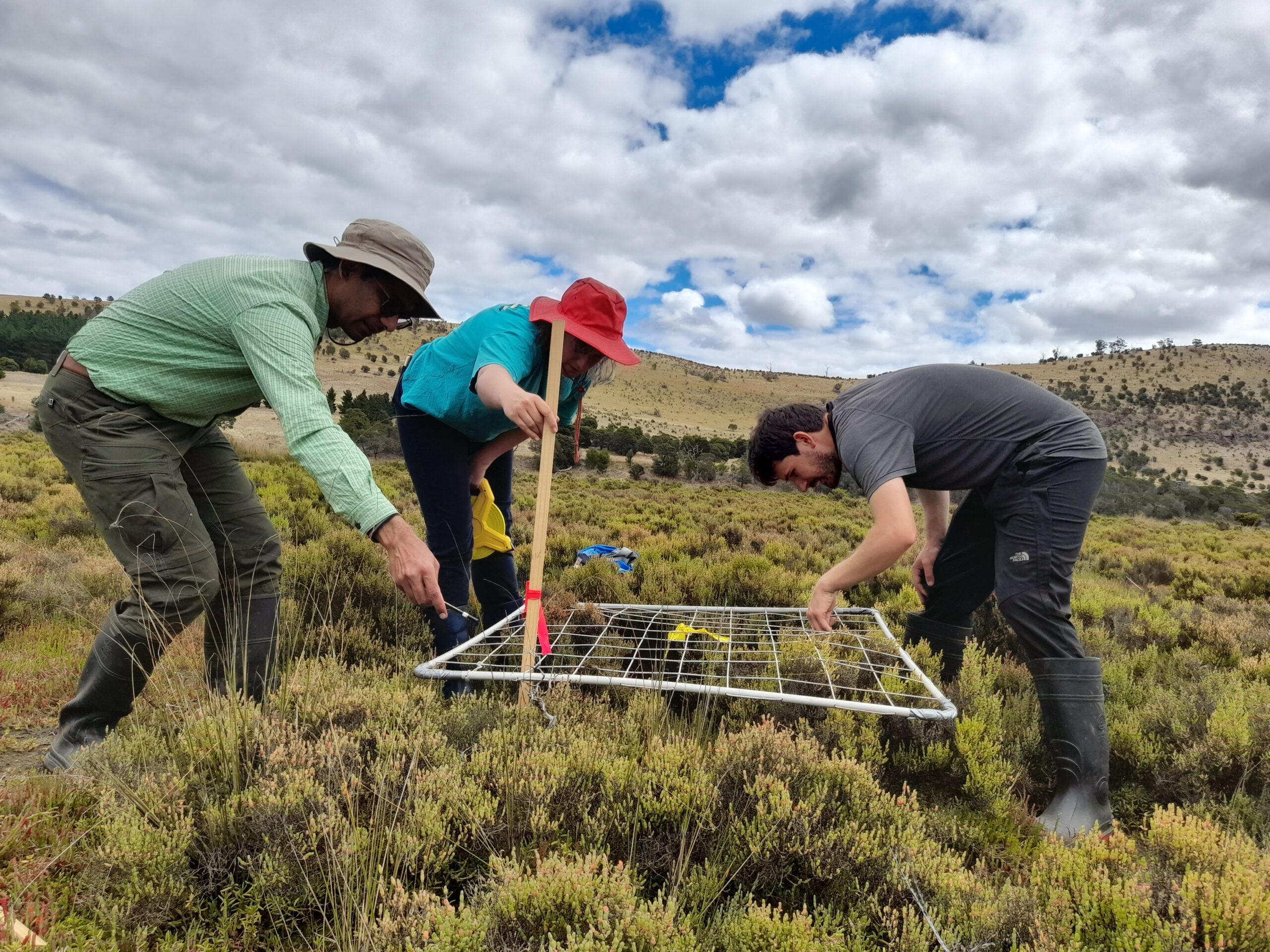
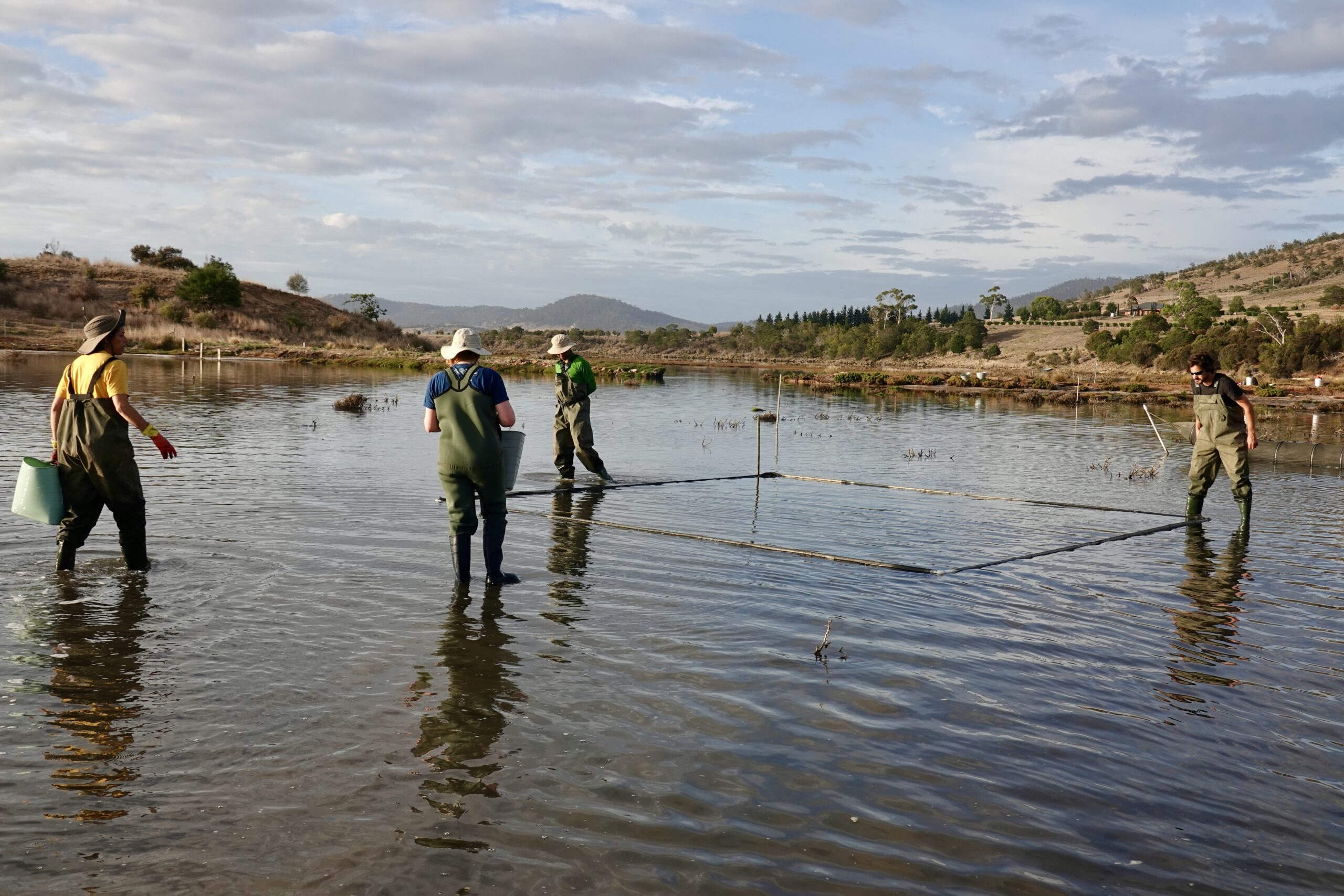
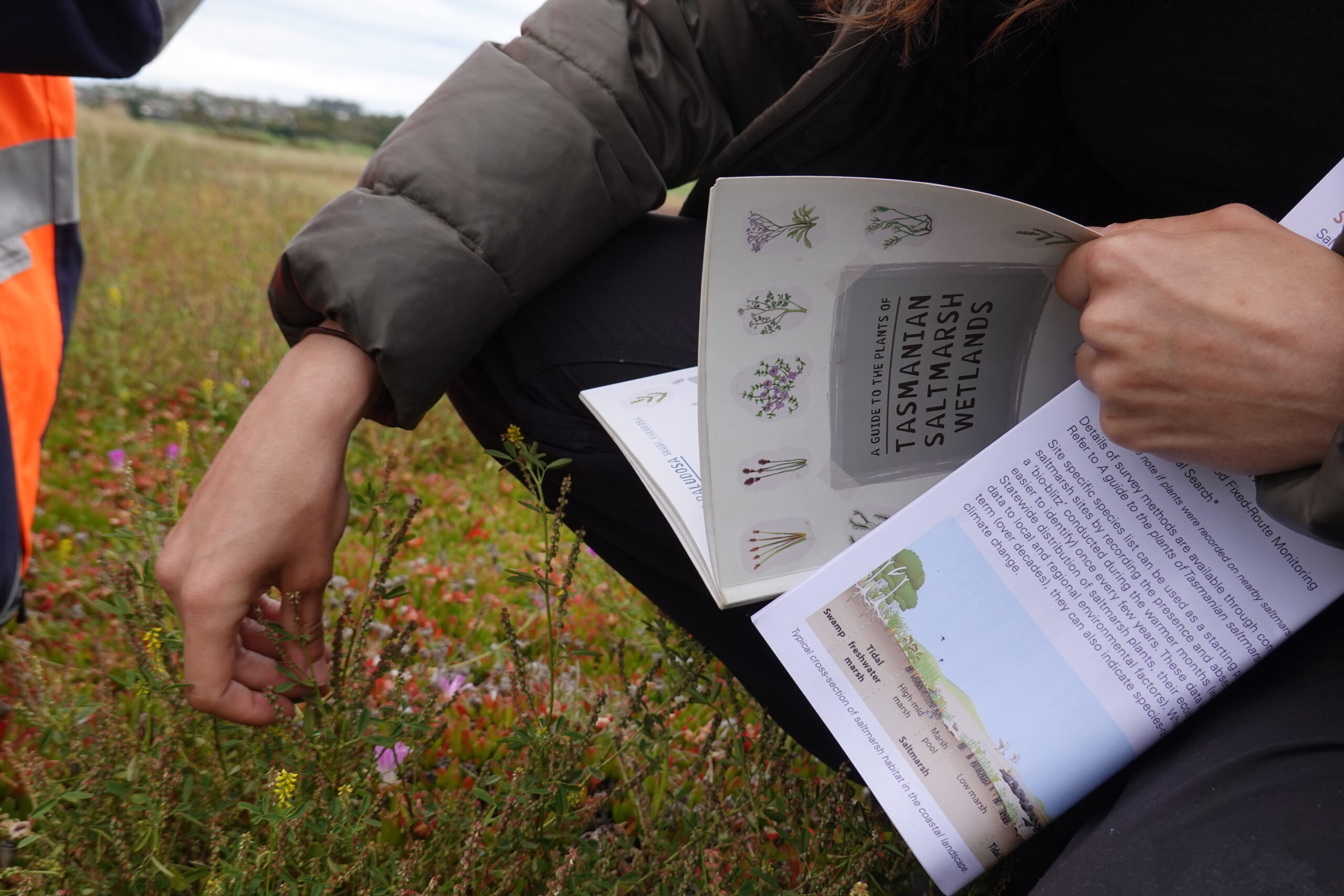
World Wetlands Day 2026 draws attention to the theme of ‘Celebrating Cultural Heritage’, and the stories of southern Tasmania’s treasured wetlands reaffirms that protecting these landscapes is central to climate resilience, cultural heritage and the health of future generations.
About NRM South
NRM South is a regional natural resource management organisation working across southern Tasmania. We work with communities, landholders, Aboriginal people and groups, researchers and governments to care for biodiversity, water and land, and to support productive landscapes and resilient communities. Protecting wetlands is ultimately about caring for people, species and places (securing wellbeing, the environment and our economy). To celebrate World Wetlands Day 2026, we invite others to be part of the next chapter of this work.
We welcome interest from organisations, funders, researchers and community members who want to invest in long-term stewardship, collaborate on on-ground works, monitoring or research, and support practical action for southern Tasmania’s important wetlands and threatened species.
For more information, visit our donate page or contact us directly.