
Woodland Birdsong Monitoring
Transforming bird audio recordings into insights about woodland bird diversity and habitat condition
This project, led by the University of New England and Charles Sturt University, aims to develop an automated, user-friendly approach for remotely monitoring woodland bird communities through a recogniser set called the Bush Bird Classifier (BBC).
By strengthening the link between technology and on-ground land management, this project aims to make bird monitoring more accessible, more accurate and more widely used – painting a clearer picture of woodland health. The aim is to help researchers, land managers, ecological consultants and conservation organisations convert audio recordings into a transparent snapshot of avian community health, without requiring specialist bioacoustic training or routine expert verification of every recording.
By strengthening the link between technology and on-ground land management, this project aims to make bird monitoring more accessible, more accurate and more widely used – painting a clearer picture of woodland health. The aim is to help researchers, land managers, ecological consultants and conservation organisations convert audio recordings into a transparent snapshot of avian community health, without requiring specialist bioacoustic training or routine expert verification of every recording.
Why It Matters
Woodland birds are important indicators of ecosystem condition.
- By detecting both diurnal and nocturnal species, automated acoustic monitoring can support more consistent, repeatable and scalable biodiversity assessment across large areas and over time.
- The tool being developed through this project will enable users to compare sites, track changes through time, assess management outcomes and make better use of both new and historic recordings.
PROJECT PILLARS
Background
Our role – a Tasmanian focus
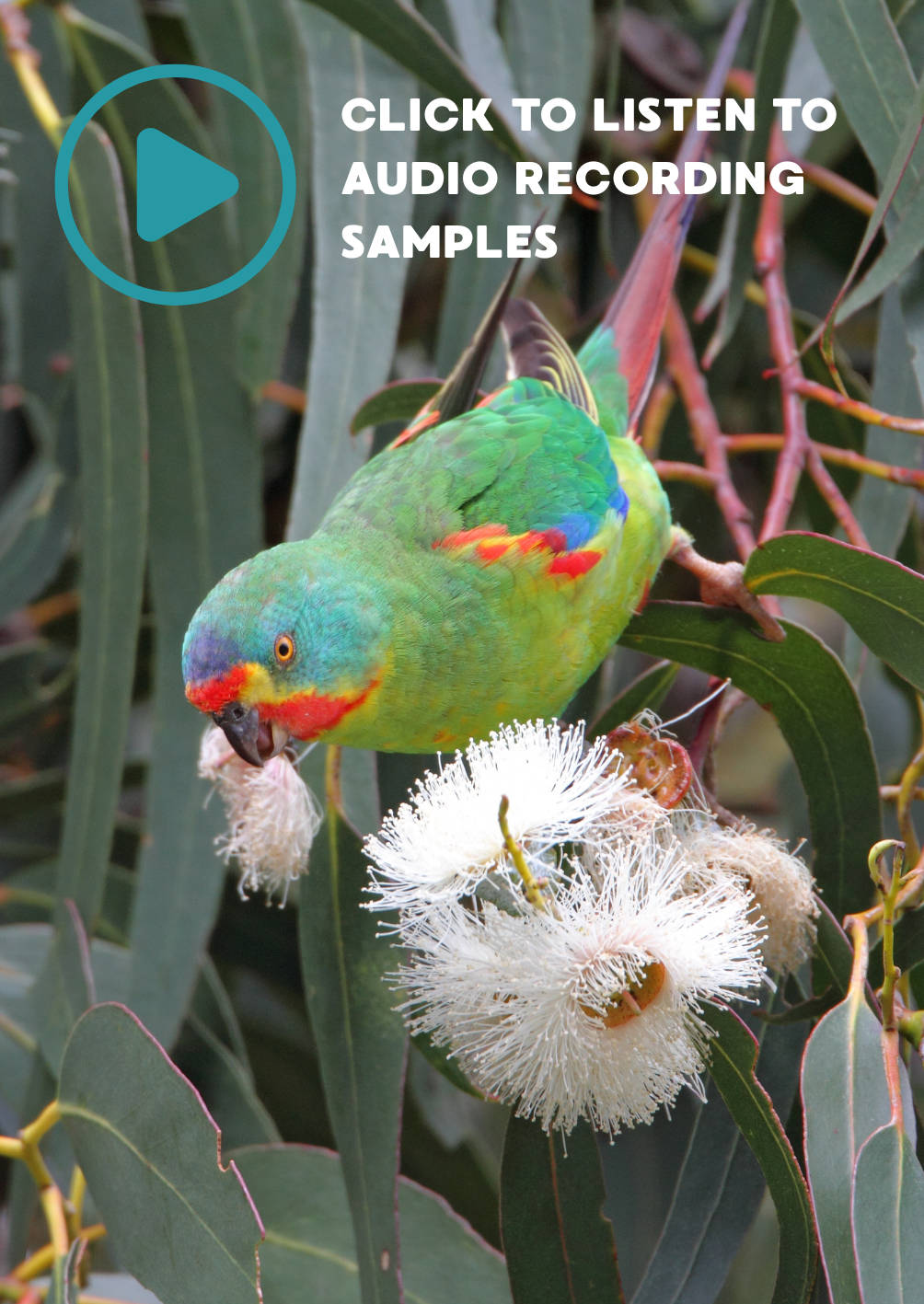
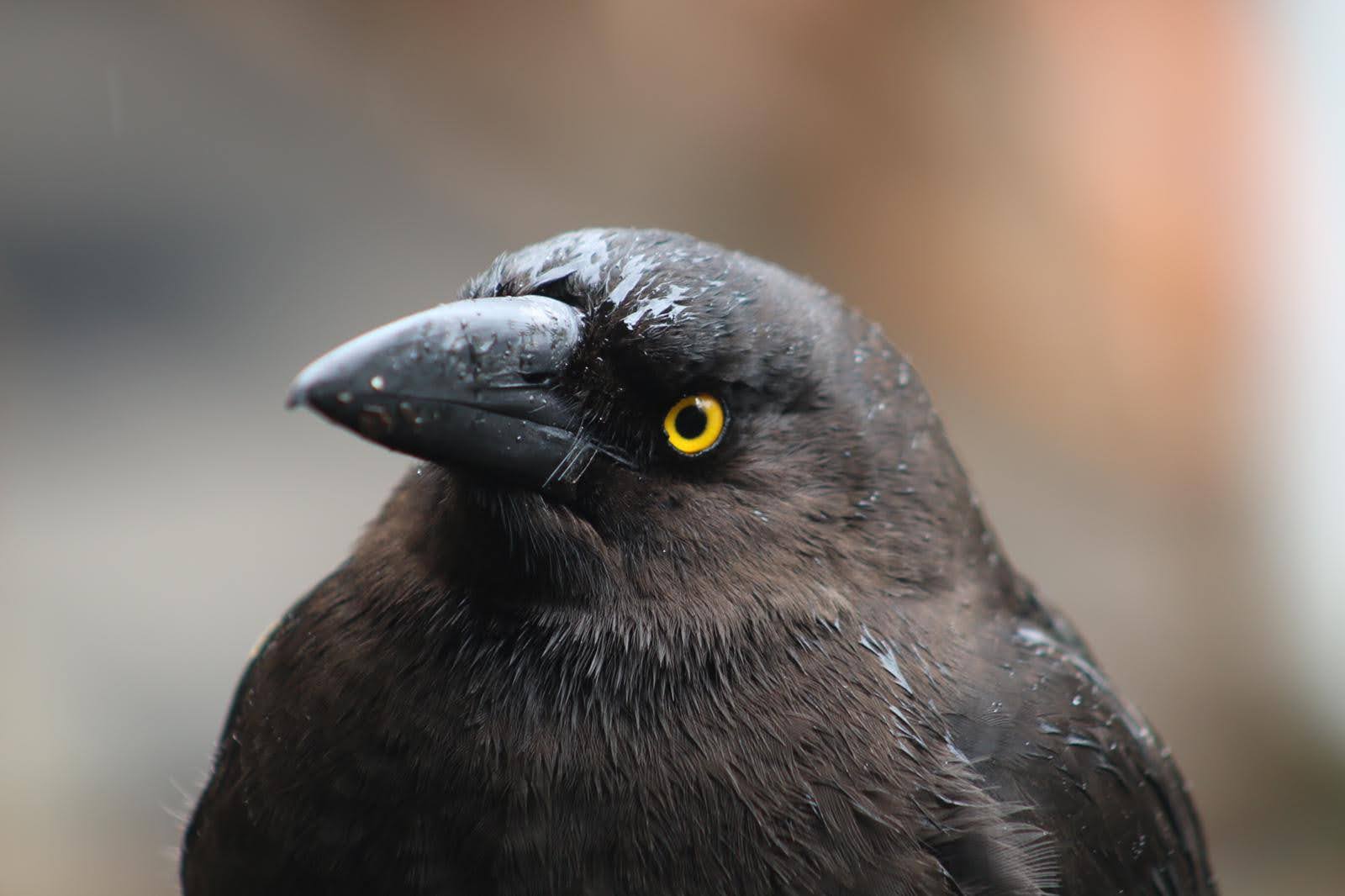
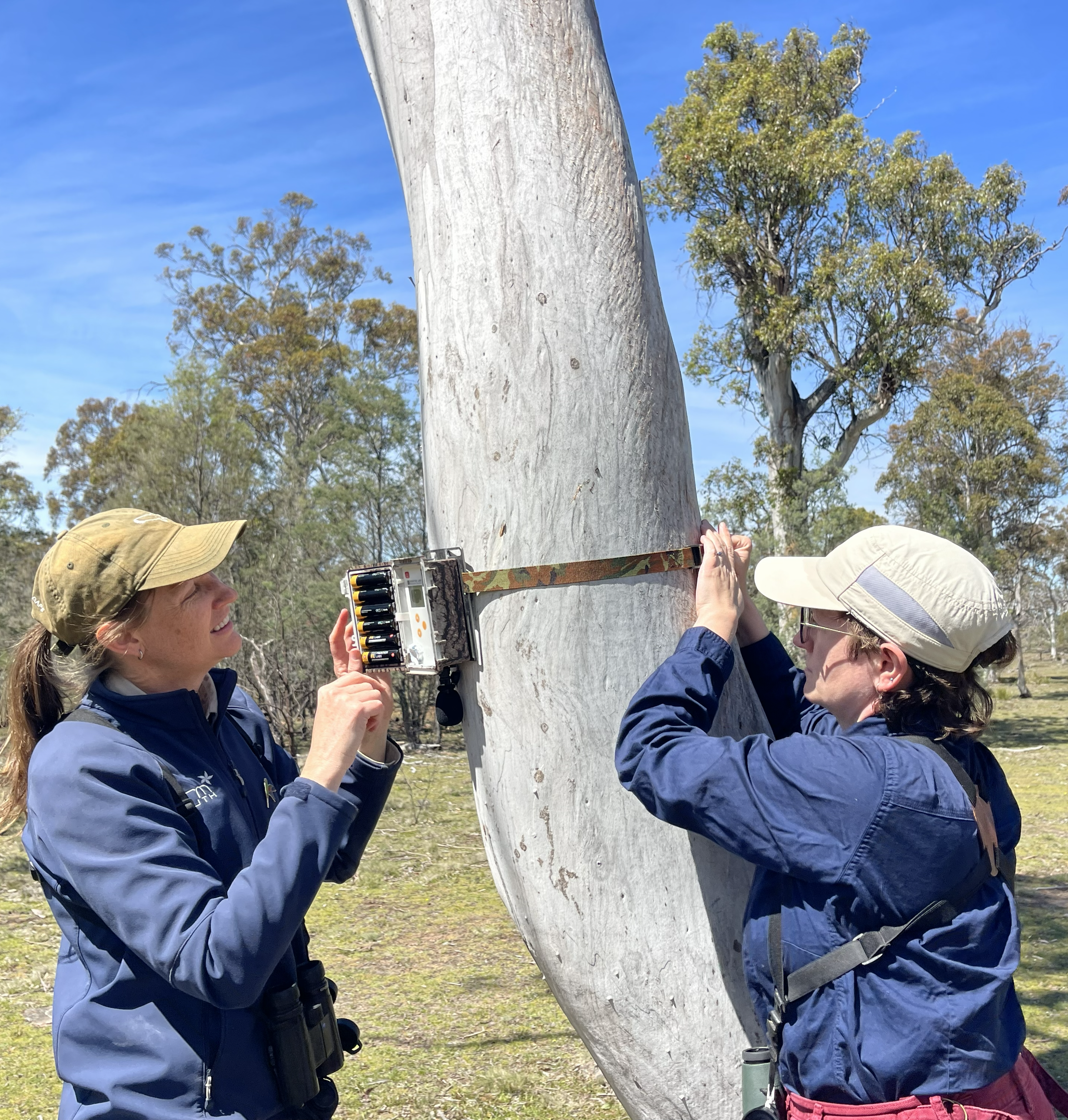
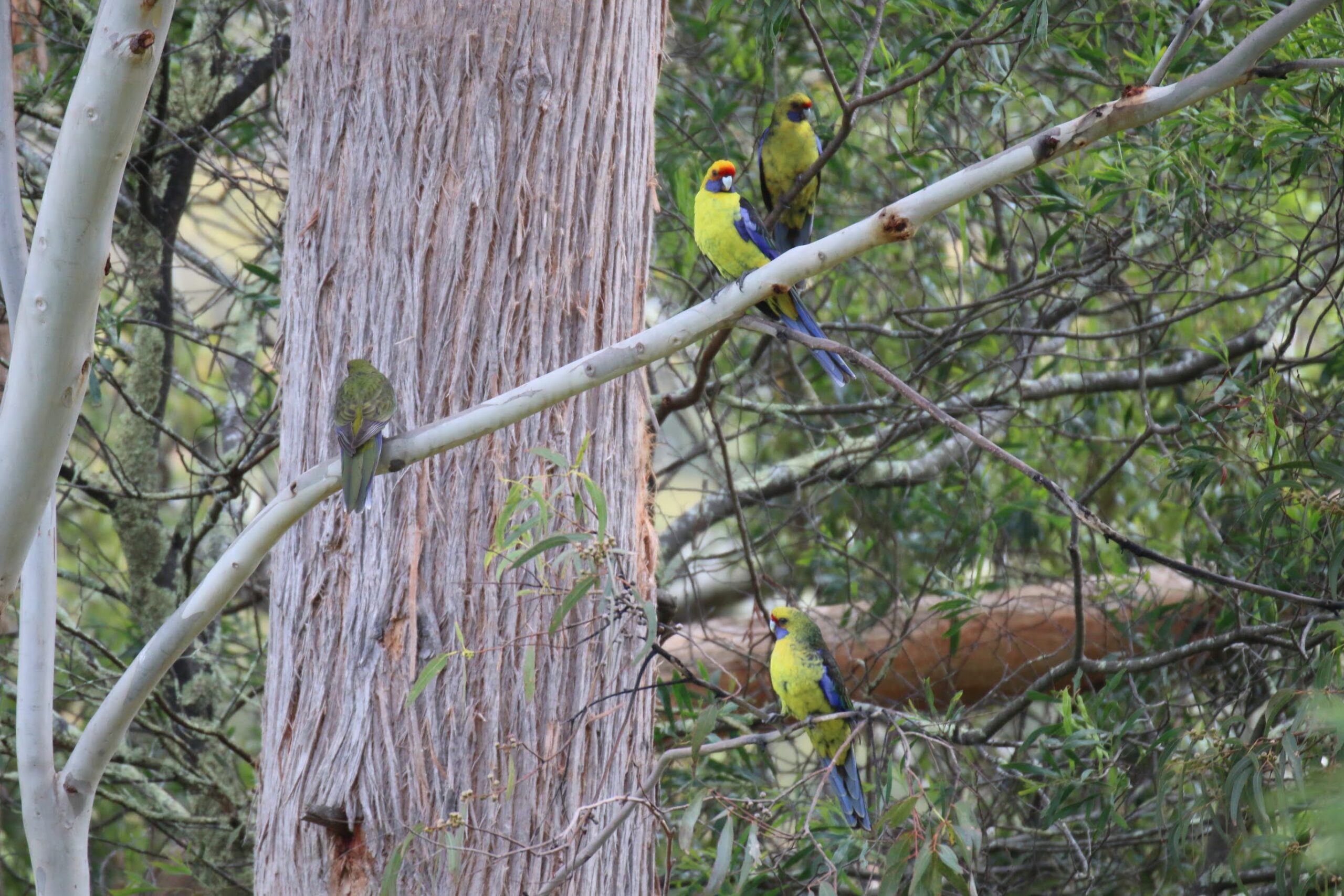
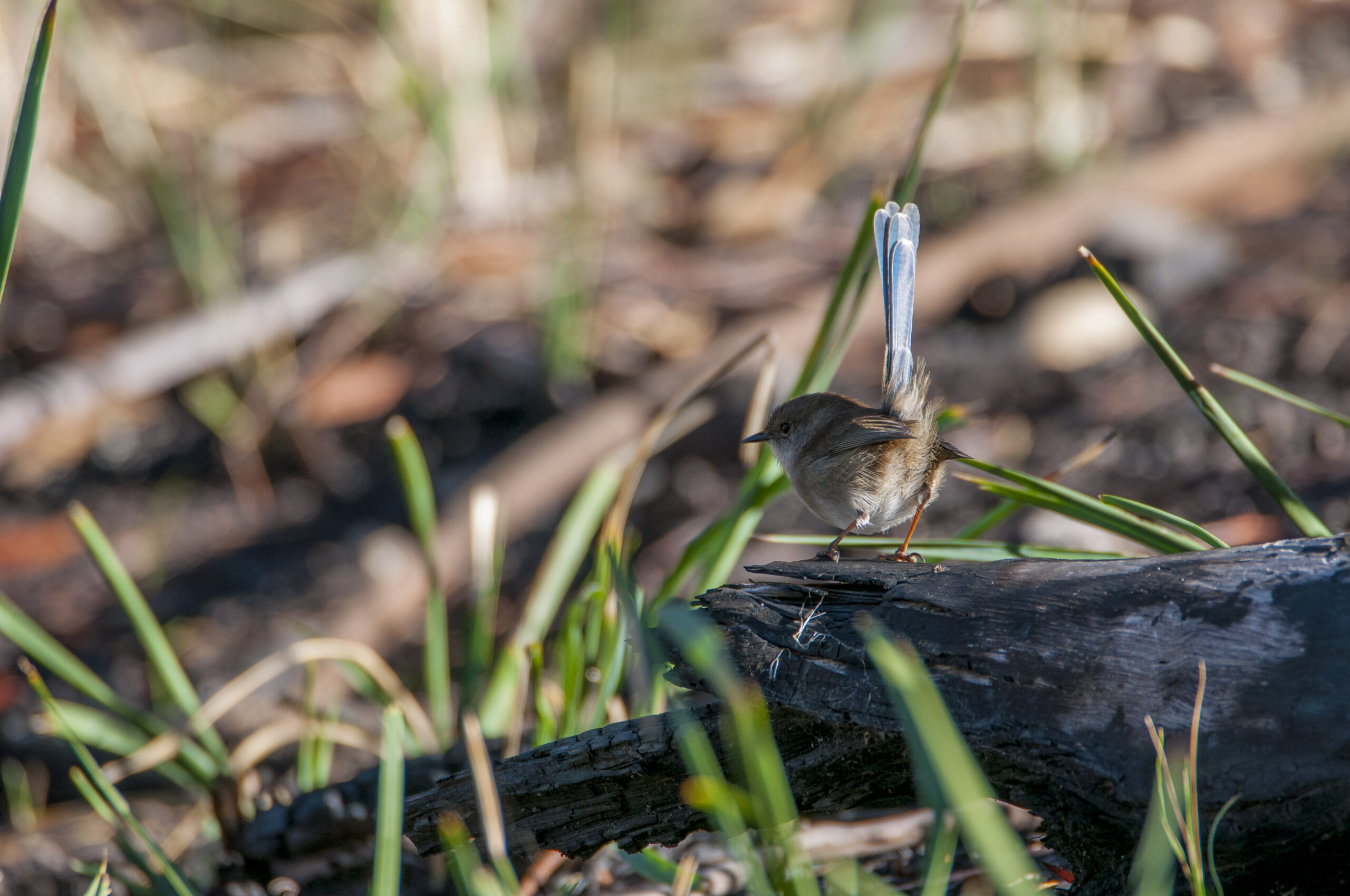
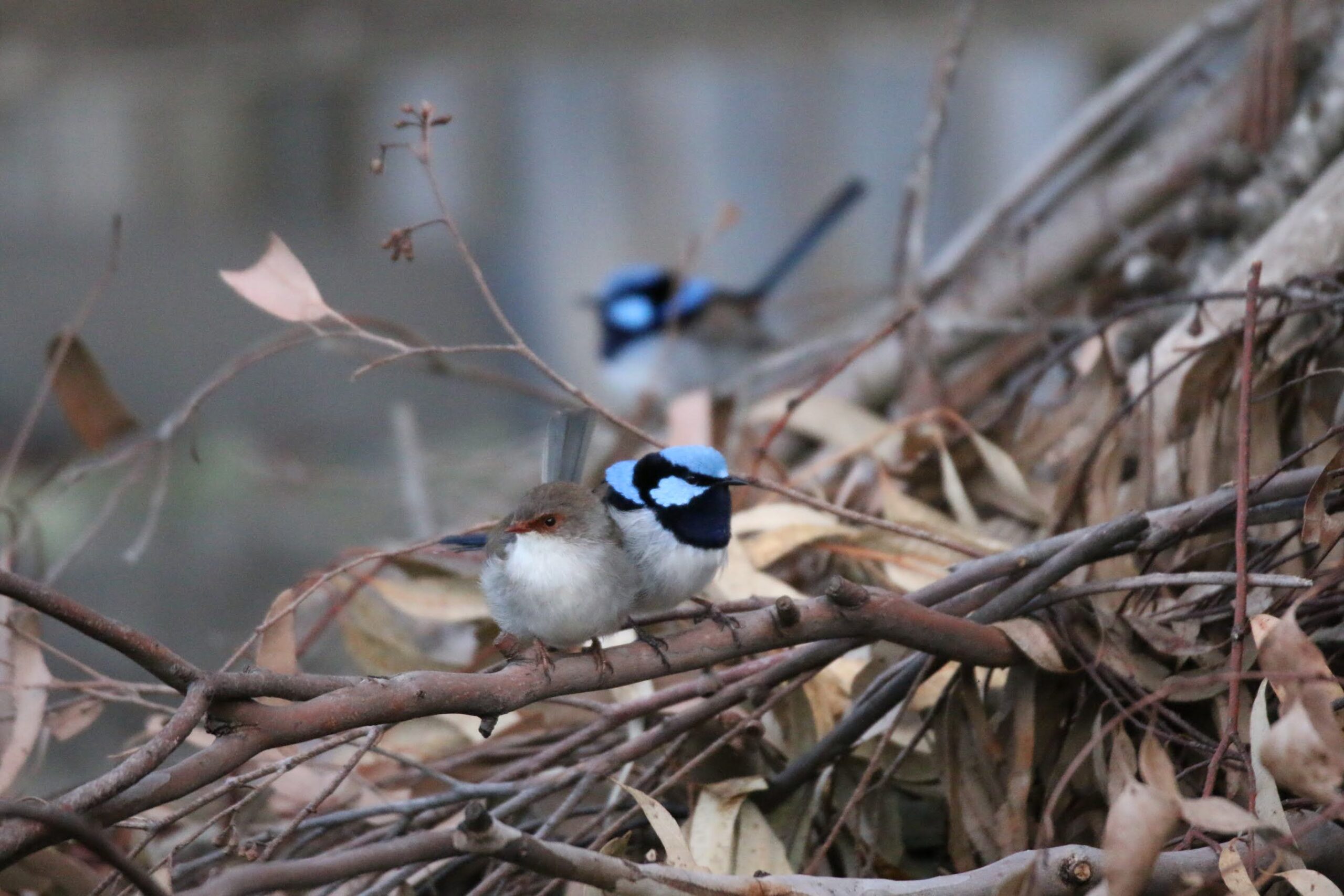
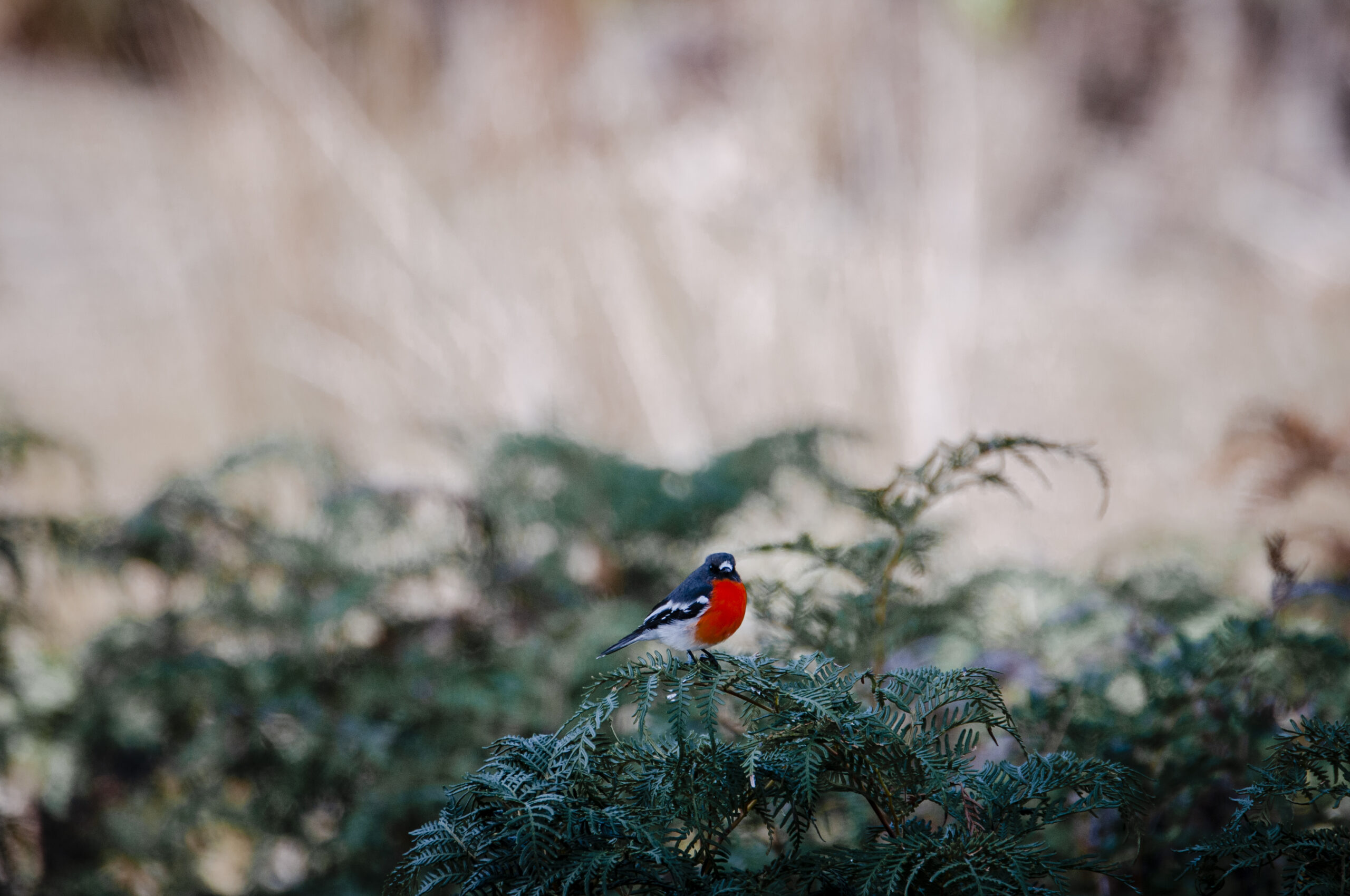
Our team has been collecting acoustic recordings and conducting on-ground surveys to better represent Tasmania’s distinctive bird communities and vocalisations. This includes collecting and tagging additional recordings from under-represented species, Tasmanian endemic species, and widely distributed species that may have regional vocal differences, such as the Striated Pardalote.
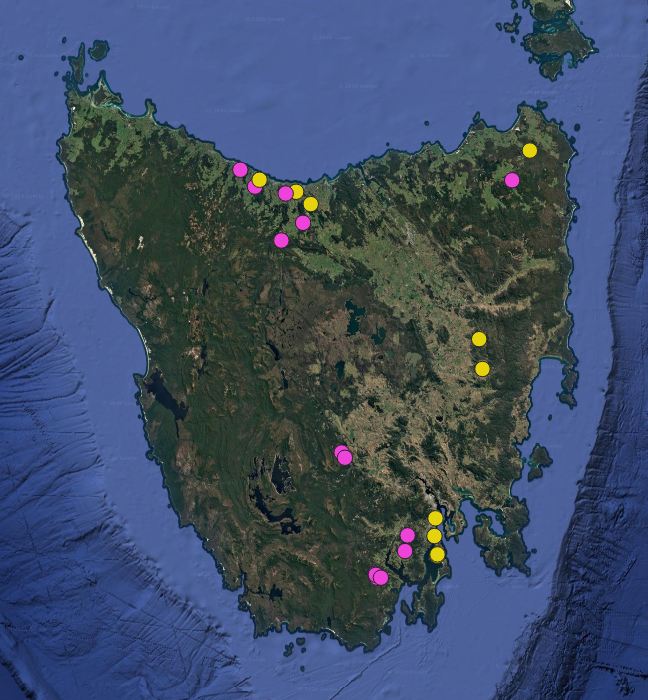
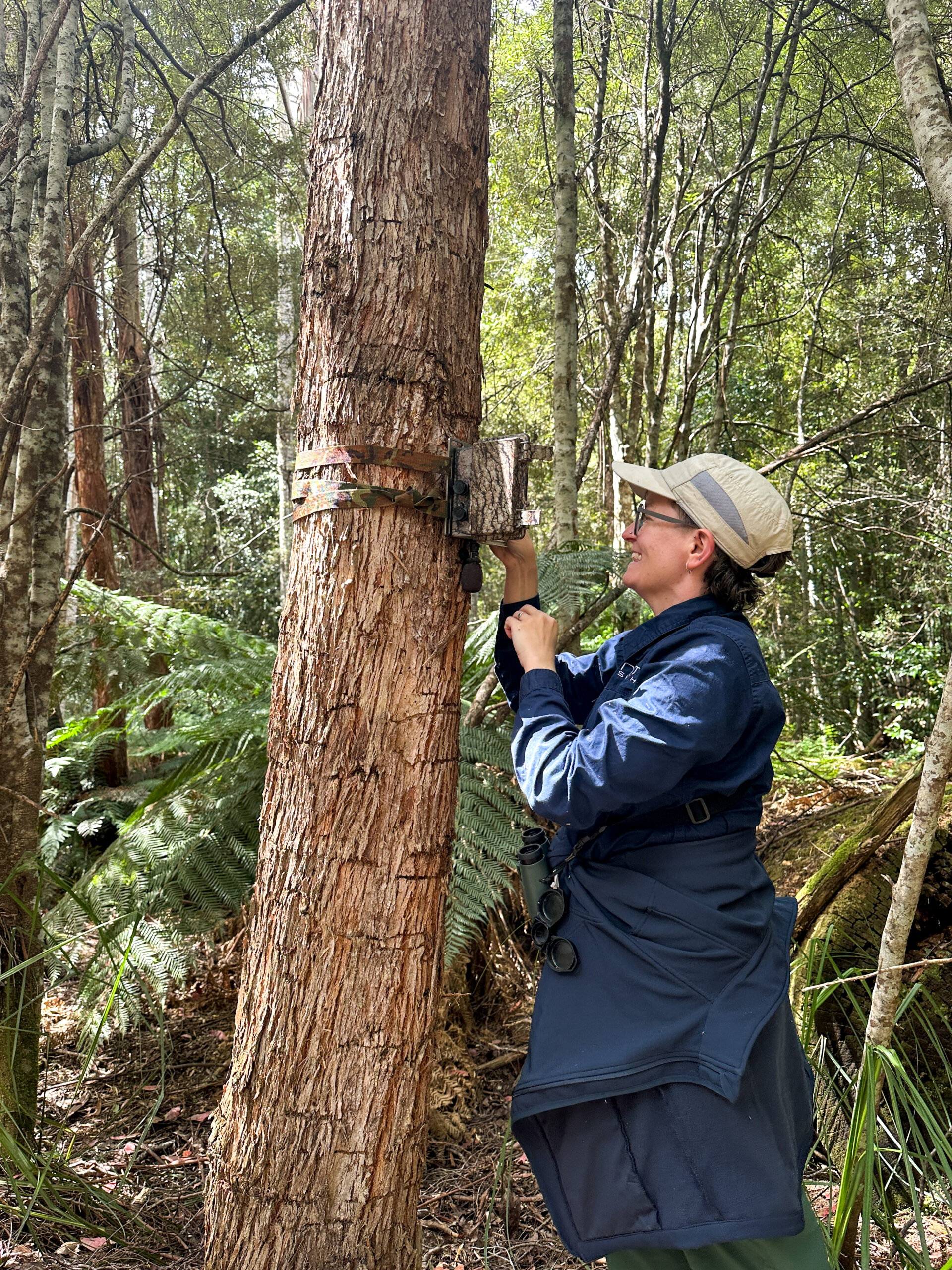
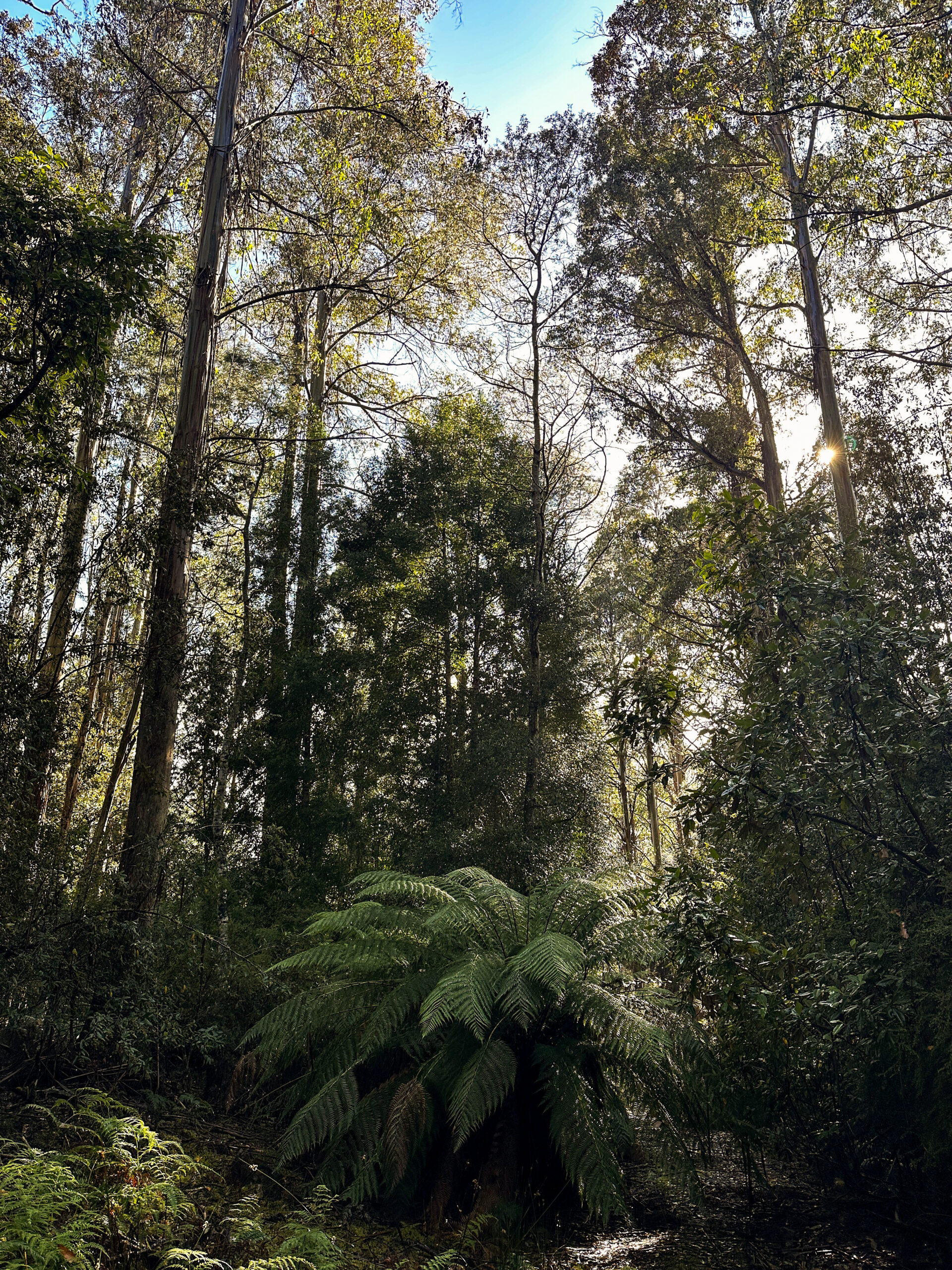
With support from the Wedgetail Foundation and site access through the Tasmanian Land Conservancy and other landholders, the team (Alice Grieve, Ramit Singal, Erin Harris and Catherine Young) conducted 74 survey sets across 27 sites, including wet forest and dry forest locations across Tasmania. Sites included Tasmanian Land Conservancy reserves such as Brown Mountain, Five Rivers and Tinderbox, as well as Sustainable Timber Tasmania land and Land for Wildlife properties. At each site, acoustic recordings were paired with on-ground bird surveys. These paired surveys help validate the recognisers and support the development of a community health score that reflects the species detected at each site.
Partners and Funding
The project brings together a team across four states. It was supported through a federal government grant under the Innovative Biodiversity Monitoring Program, with additional funding from the Wedgetail Foundation to strengthen the Tasmanian component.
Project Team
Prof. Paul McDonald, University of New England
Prof. David Watson, Charles Sturt University
Dr Daniella Teixeira, Queensland University of Technology
Dr Courtney Melton, Bush Heritage Australia
Dr Catherine Young and Alice Grieve, NRM South
Prof. Martine Maron, University of Queensland
Prof. Paul Roe and Dr Lance De Vine, Queensland University of Technology
Vicky Austin, University of New England
Using the Tool
The recogniser is intended to be made available as an open tool and work is now shifting towards making the tool easier to access and use. The recogniser can currently be run locally, with reports generated using R scripts to analyse results and produce standardised outputs. The project team is discussing options with the Australian Research Data Commons, EcoSounds and the Open EcoAcoustics project team to host the tool and audio collections through a more integrated platform. Further investment is needed to build a simple front end that allows users to upload audio, run analyses and incorporate outputs into their projects.
Get involved
Interested stakeholders can register for future training workshops and updates at Get involved in the Bush Bird Classifier project – Gulbali Institute.
-
-
-
-
-
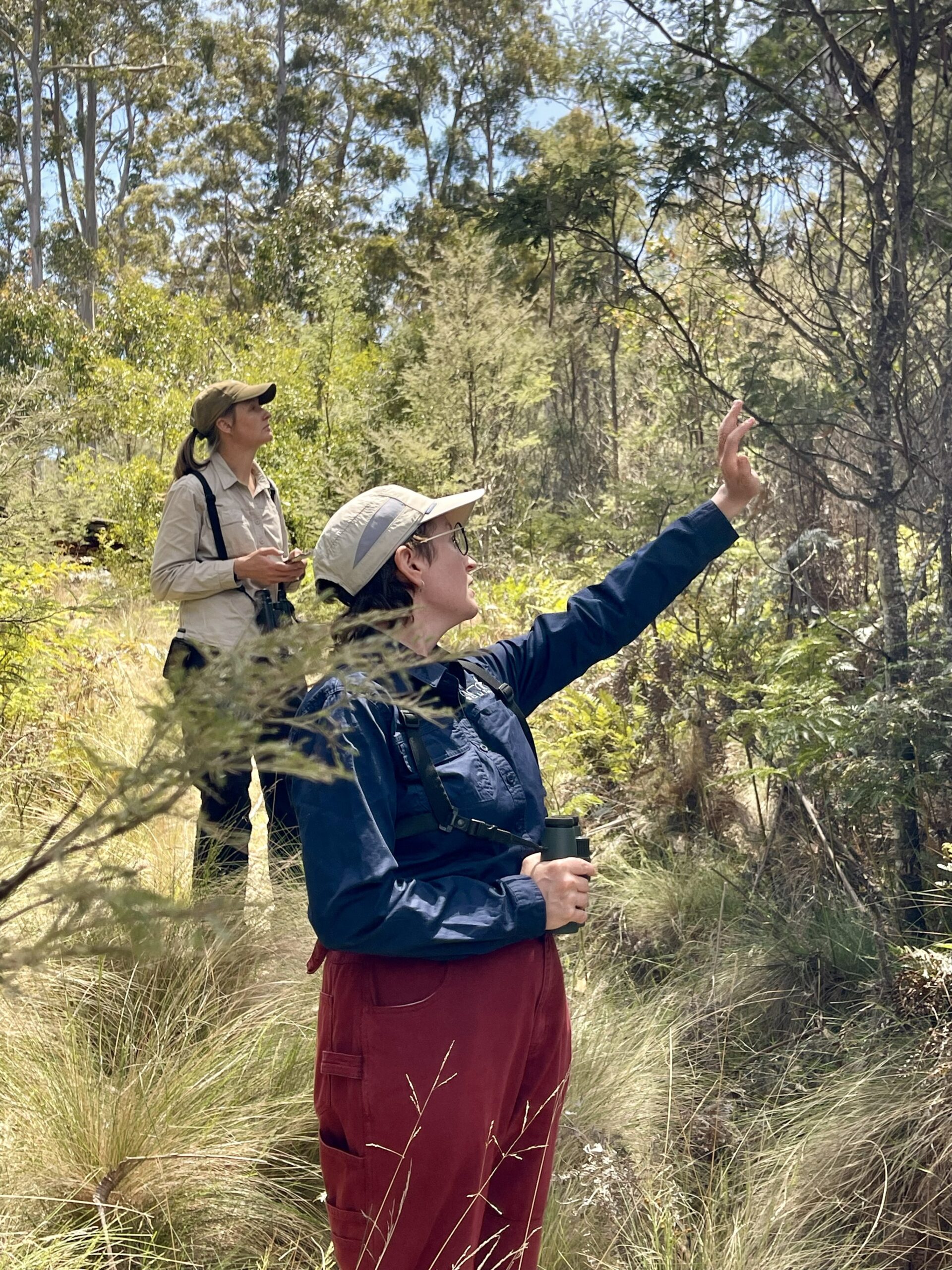
Image credit – Wedgetail Foundation
-
-
-
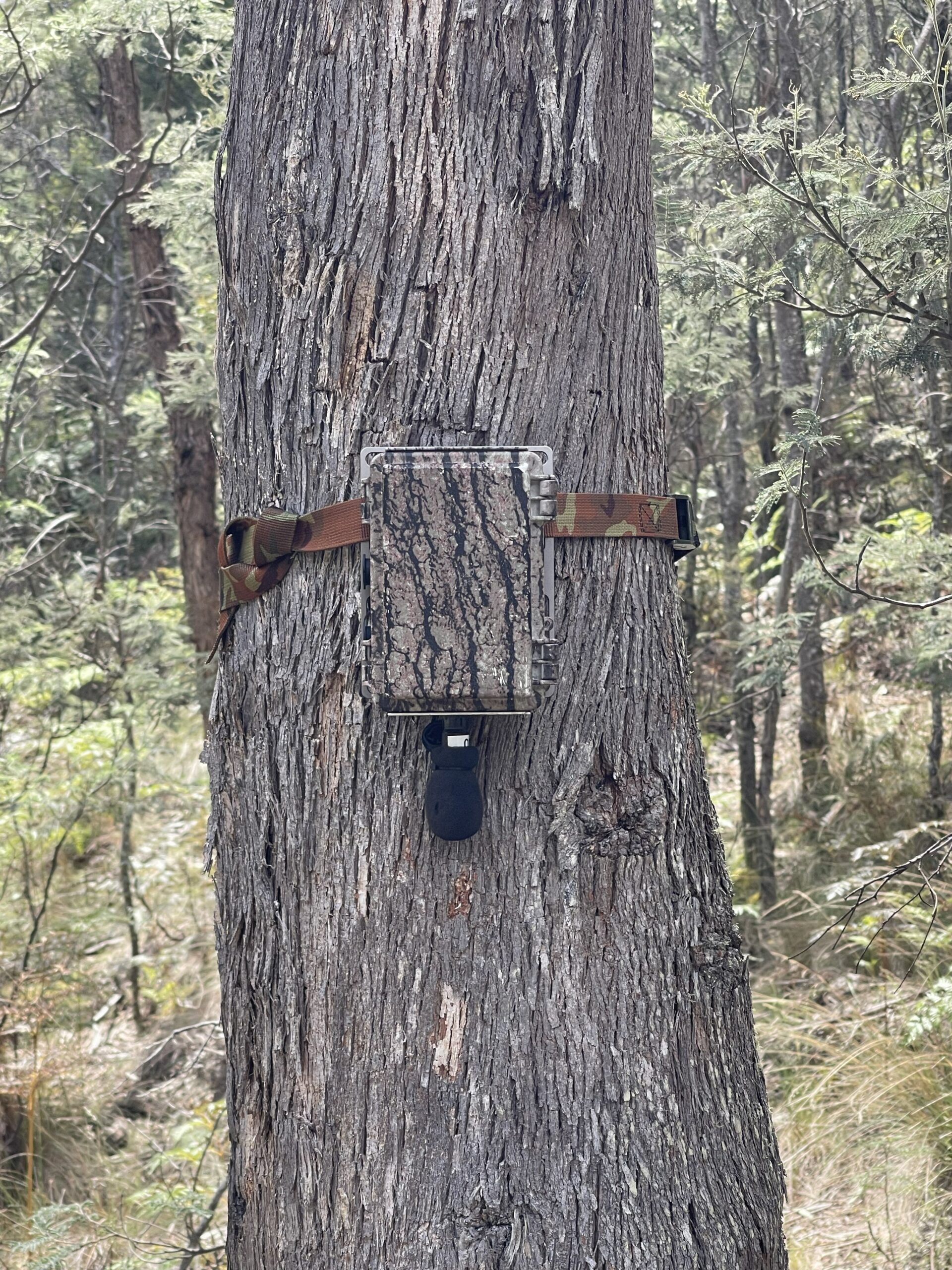
Image credit – Wedgetail Foundation

This project is in line with the United Nations Sustainable Development Goals
Related News
-
23 June, 2026 2 Min Read
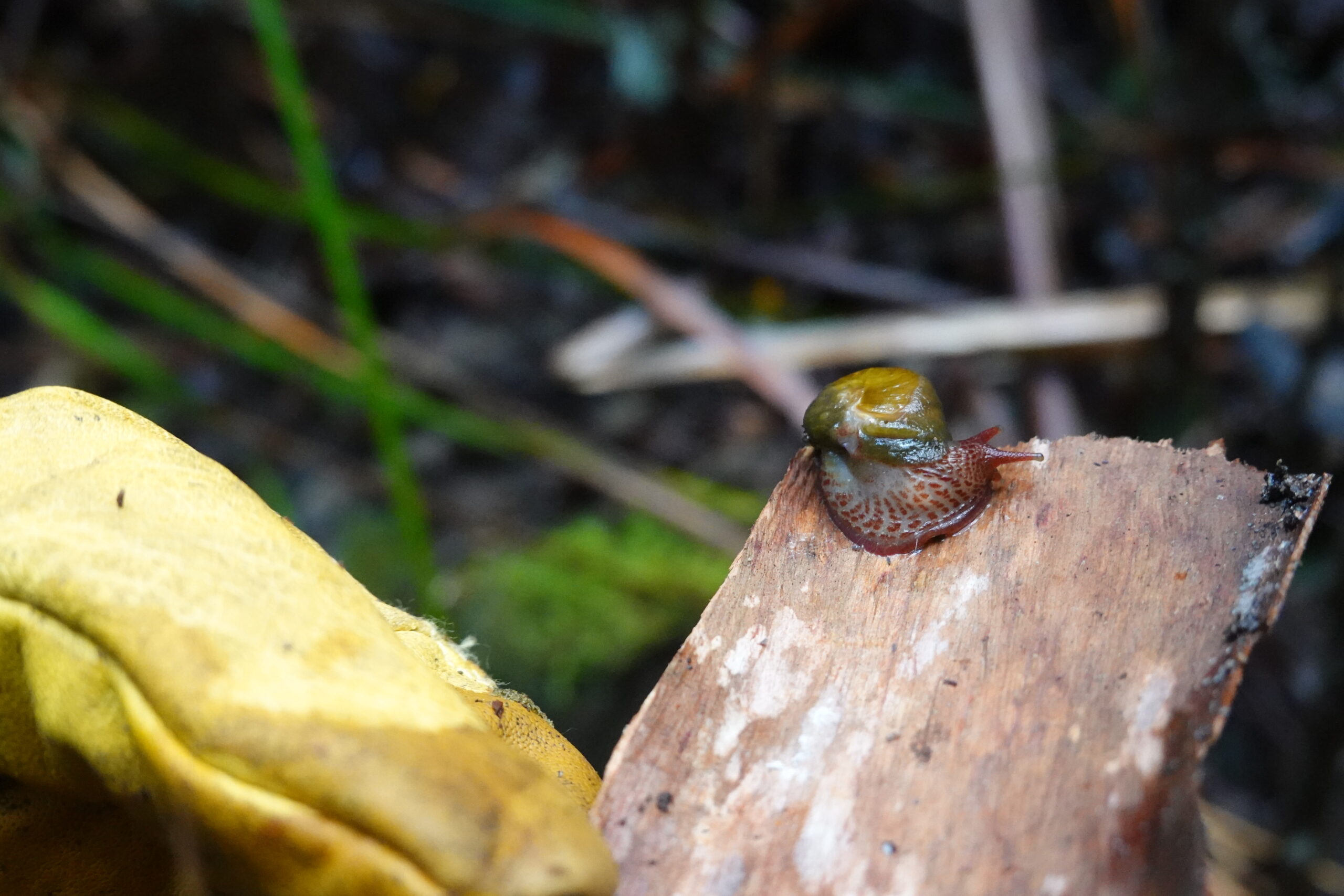
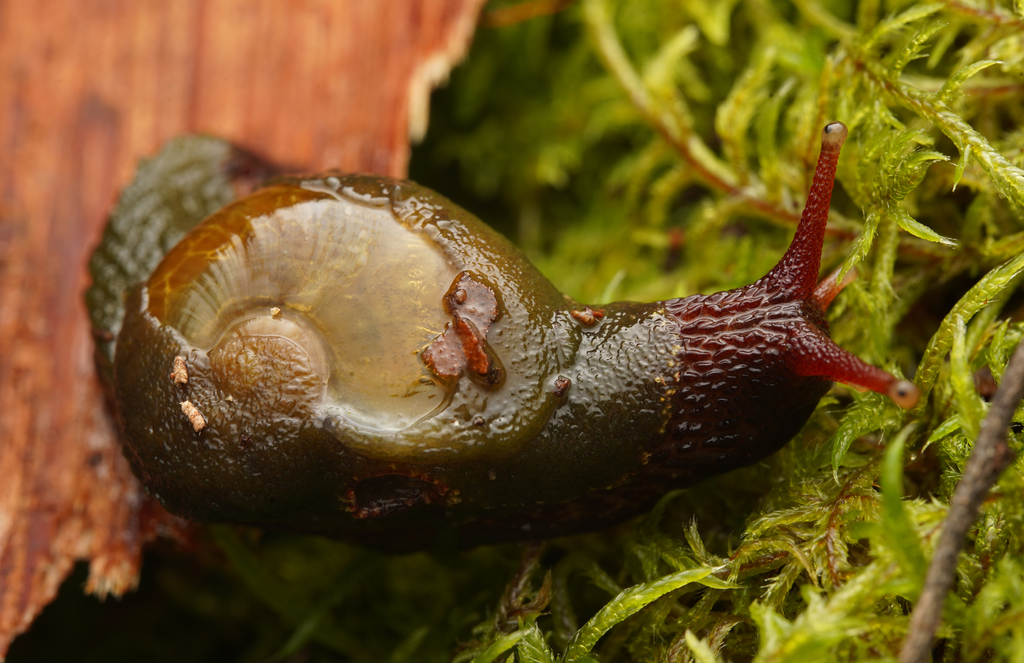
Survey Supports Future Conservation of the Burgundy Snail
Hidden among curled strips of eucalypt bark on the damp forest floor lives one of Tasmania’s most distinctive native snails. The burgundy snail (Attenborougharion rubicundus) is a rare species found...
Read More -
18 June, 2026 2 Min Read
Celebrating Success for our Swan Galaxias Project
Our ‘Enhancing outcomes for Swan galaxias’ project has now come to an end, and we are celebrating the outcome of what has been a successful partnership project focusing on one...
Read More -
18 June, 2026 3 Min Read
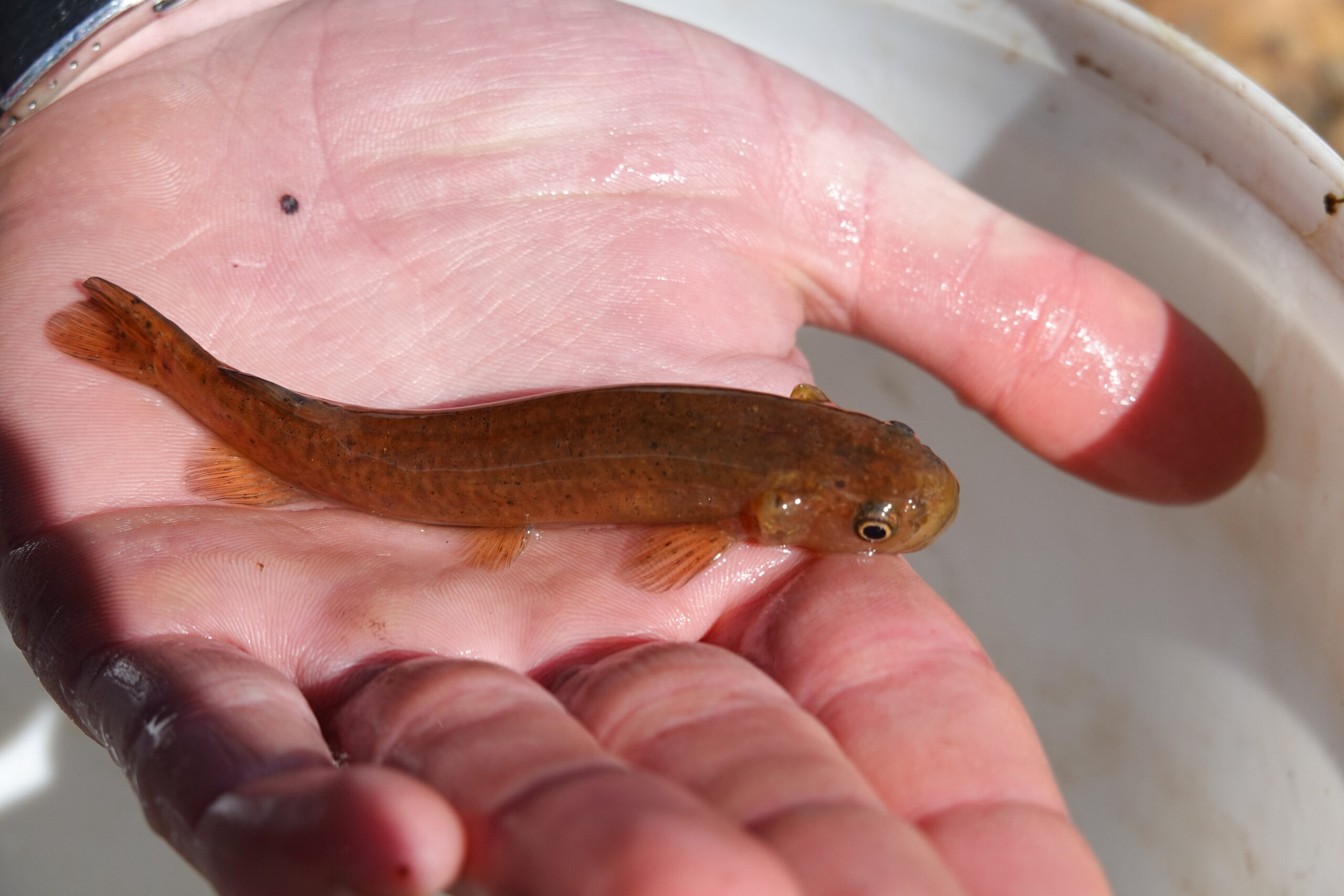
Endangered Swan Galaxias breeding success marks conservation milestone
-MEDIA RELEASE- The future of one of Australia’s most threatened freshwater fish is looking brighter, with evidence confirming that recently translocated populations of endangered Swan galaxias are now successfully breeding...
Read More -
17 June, 2026 2 Min Read
Wrapping up our Ammonite Snail Project
With the recent completion of our Ammonite Snail project, we are celebrating the outcomes of what has been an important body of work focused on one of southern Tasmania’s lesser-known...
Read More -
17 June, 2026 2 Min Read
Guiding the Way for Ammonite Snails
-MEDIA RELEASE- Most people walking through bushland on the edge of Hobart would never know they’re there, but some of Tasmania’s smallest and rarest snails are the focus of a...
Read More -
9 June, 2026 2 Min Read
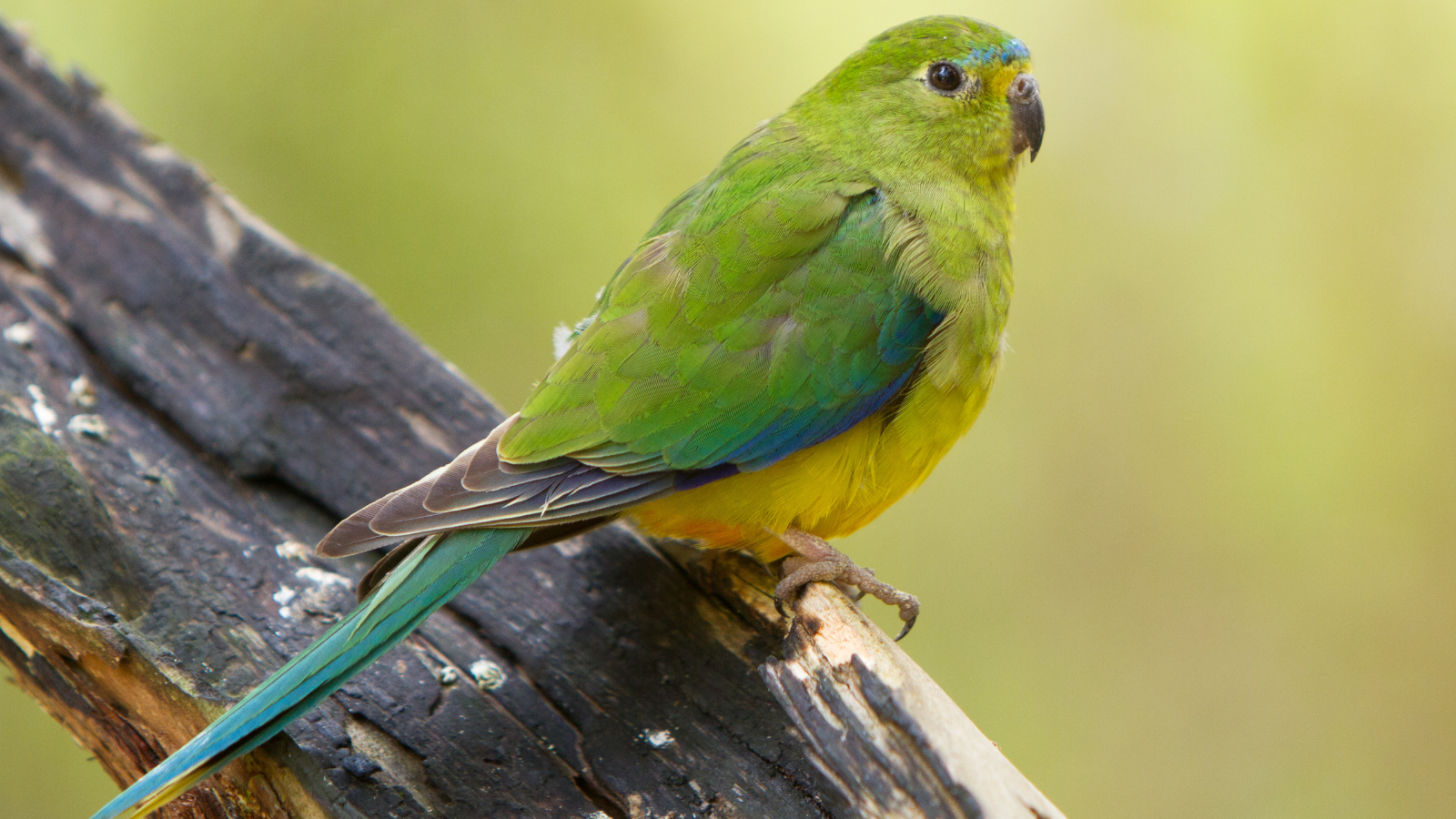
2025-26 Orange-bellied Parrot Recovery project update
Over the past year, we have continued our work with project partners on actions to support the recovery of the critically endangered Orange-bellied Parrot (OBP), by identifying and addressing threats...
Read More -
Weeding at Southport Bluff
4 June, 2026 2 Min Read
Collaborative Action Supports Southport Heath Recovery
Tucked among the windswept coastal vegetation of Tasmania's far south grows one of the state's rarest plants. Southport heath (Epacris stuartii) is a critically endangered shrub found naturally in just...
Read More -
28 November, 2025 1 Min Read
Angler awareness gets a ‘reel’ boost
--MEDIA RELEASE-- NRM South, in partnership with Tasmania’s Inland Fisheries Service (IFS), is releasing a new series of social media reels aimed at helping anglers better understand their role in...
Read More -
Credit: John Harrison
26 June, 2025 3 Min Read
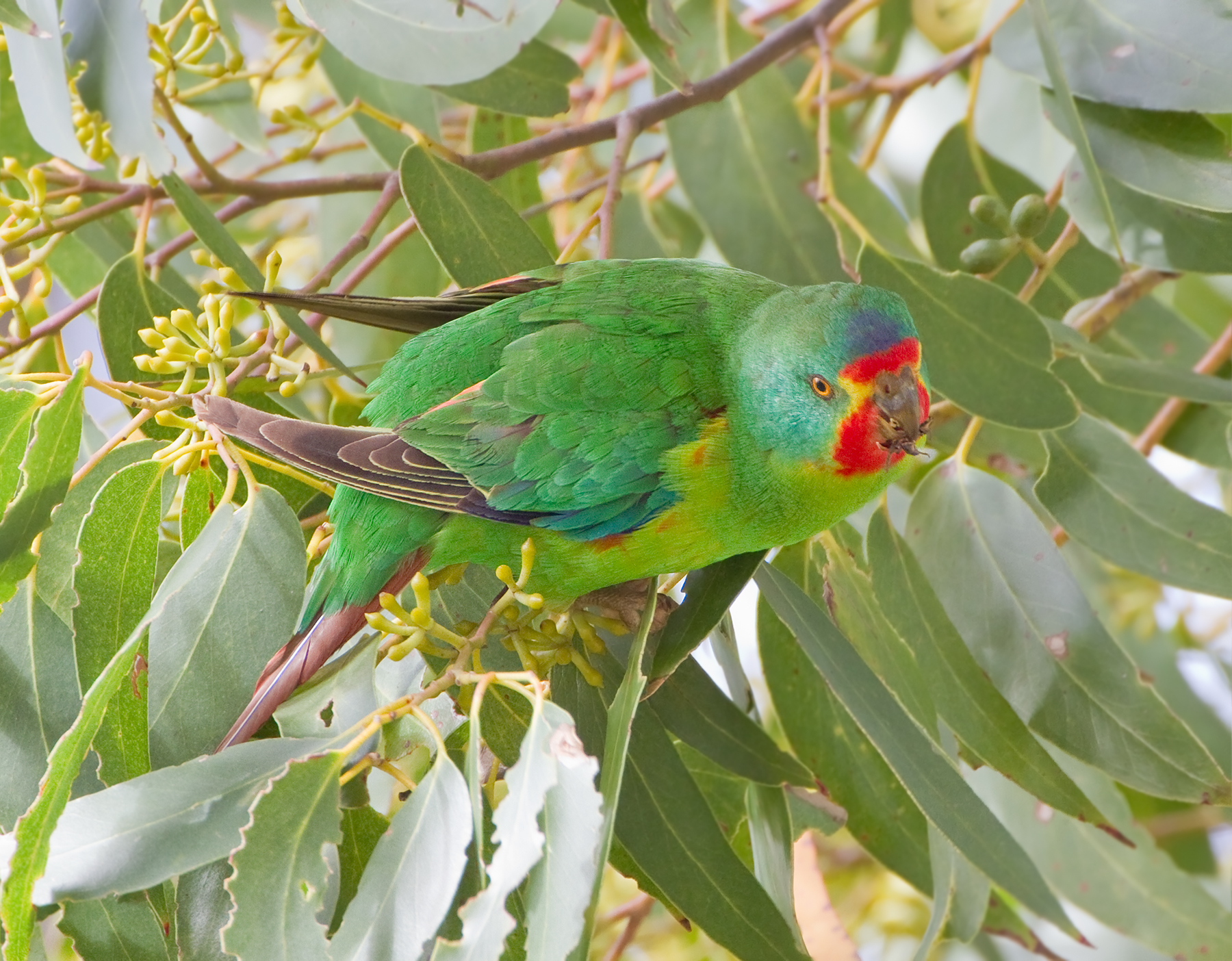
Swift Parrot nest boxes – not a one size fits all solution
Nest boxes can be a useful tool in threatened bird conservation. By providing additional roosting and breeding sites, nest boxes can help support threatened bird populations in areas where their...
Read More -
Burgundy Snail - Bruno Bell (iNaturalist CC BY-NC)
23 April, 2025 2 Min Read
Welcome support for our endemic species – new partnership project announced
NRM South was recently awarded funding for two conservation projects targeting two endemic and endangered Tasmanian species – the Burgundy Snail and Southport Heath. These projects have been funded under...
Read More -
12 December, 2024 1 Min Read
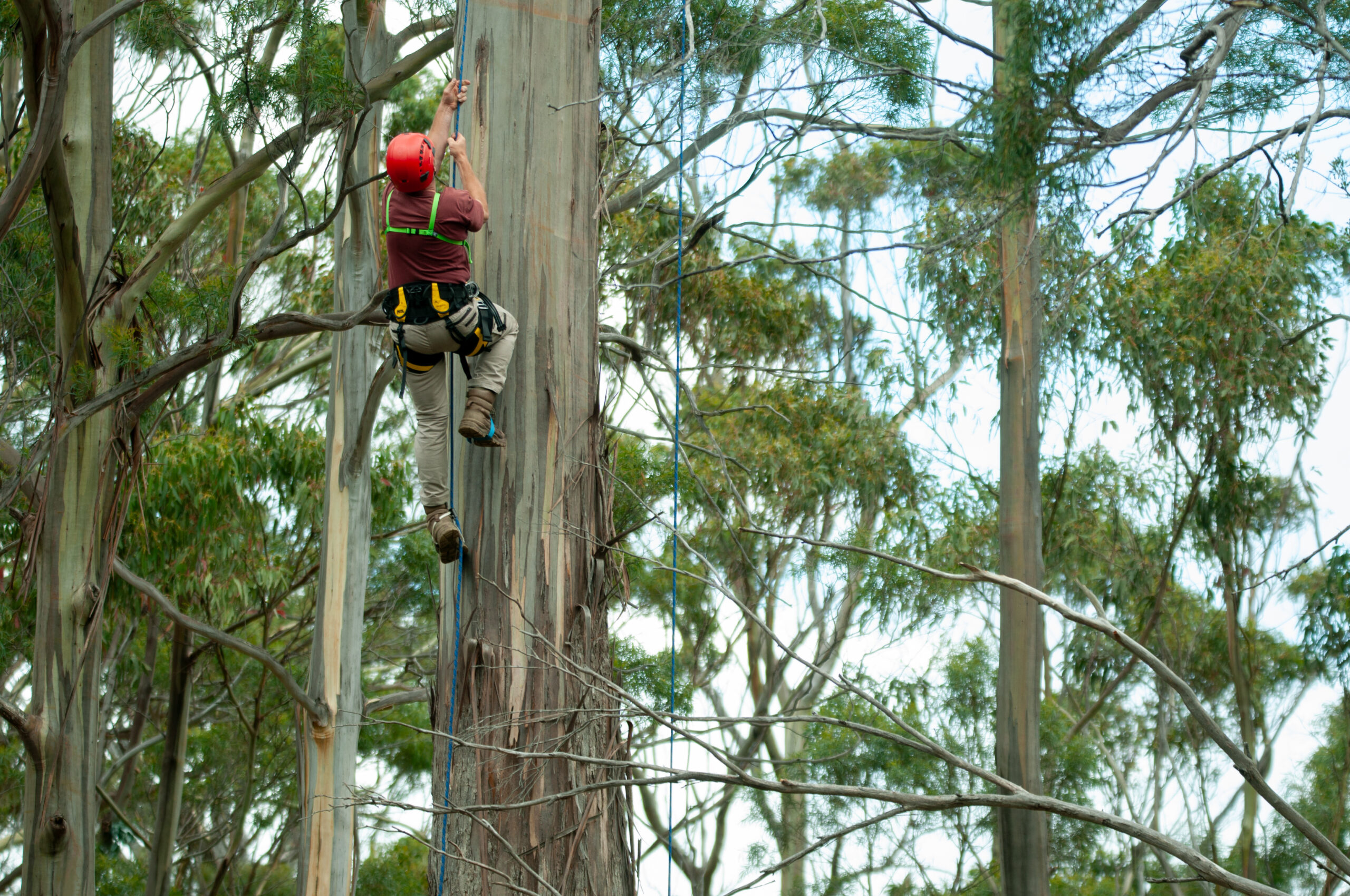
Treetop explorations at Murrayfield
In early December, our Biodiversity Program team joined the South East Tasmanian Aboriginal Corporation (SETAC) and Dejan Stojanovich from The Australian National University (ANU) out on Bruny Island for a...
Read More -
11 September, 2024 1 Min Read
Critical funding to protect Tasmania’s important wildlife and landscapes
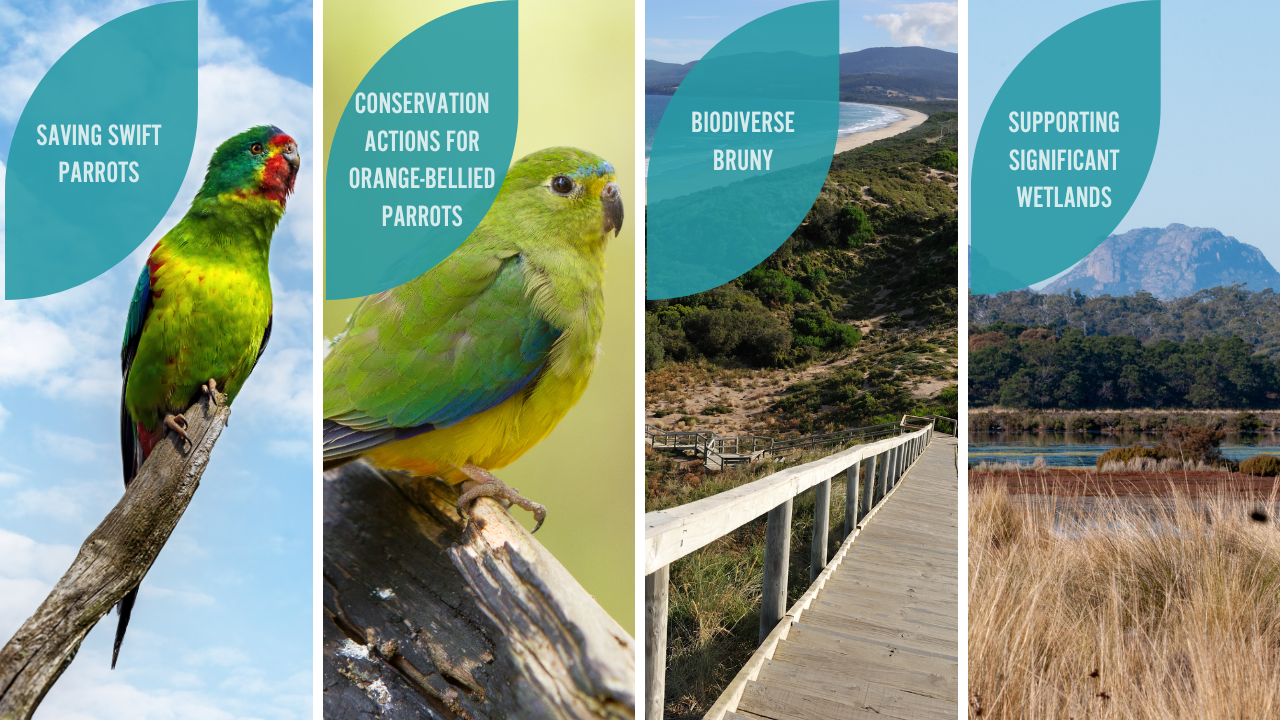
Today, the Hon Tanya Plibersek MP, Minister for the Environment and Water, announced an important funding boost for environmental projects across Australia, and NRM South is proud to be at...
Read More -
11 July, 2024 2 Min Read
Walking on Country at Windsong
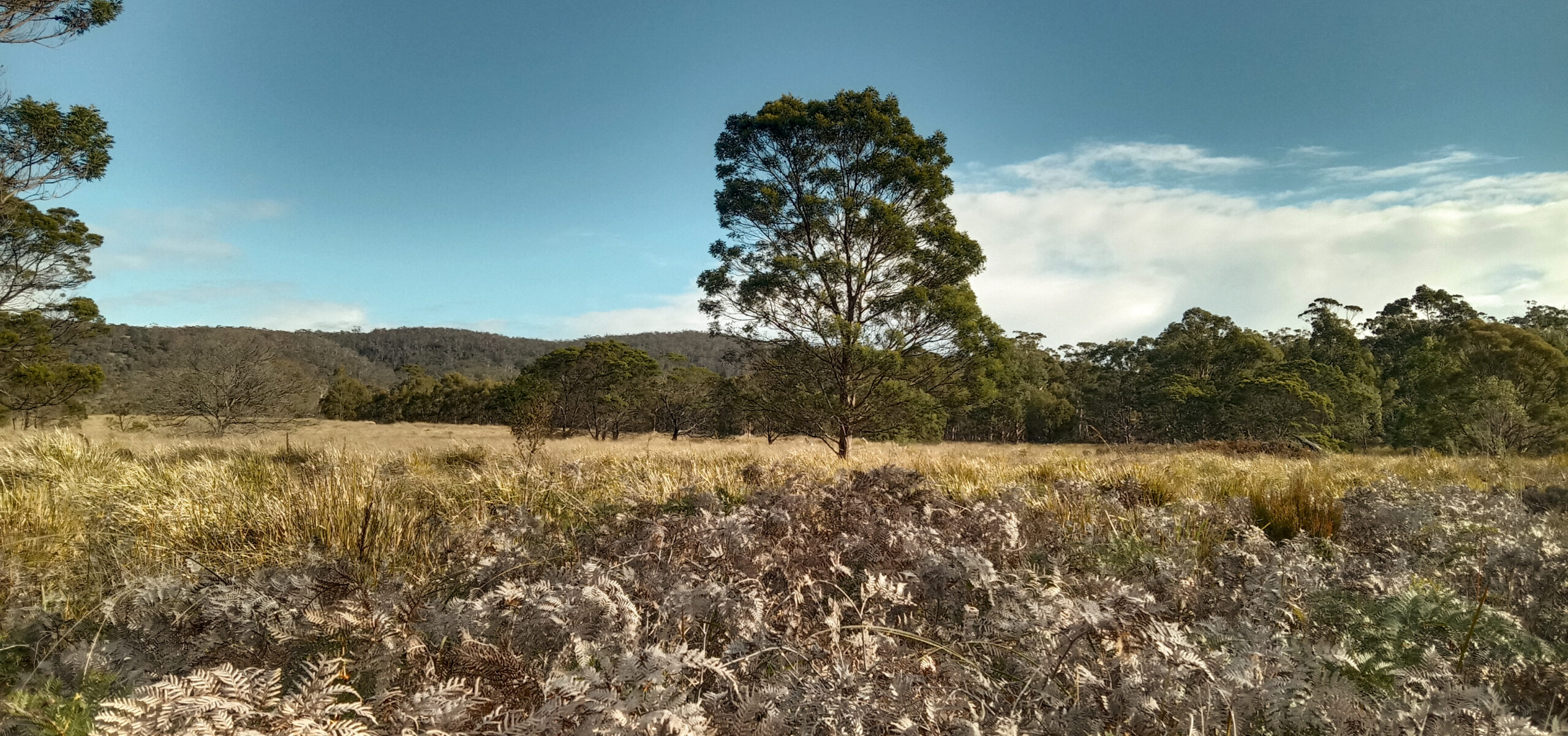
In late June, Senior Project Officers Dr Adam Cisterne and Paige Green joined the Tasmanian Aboriginal Centre for a site visit to Windsong near Little Swanport. Windsong is a privately...
Read More