
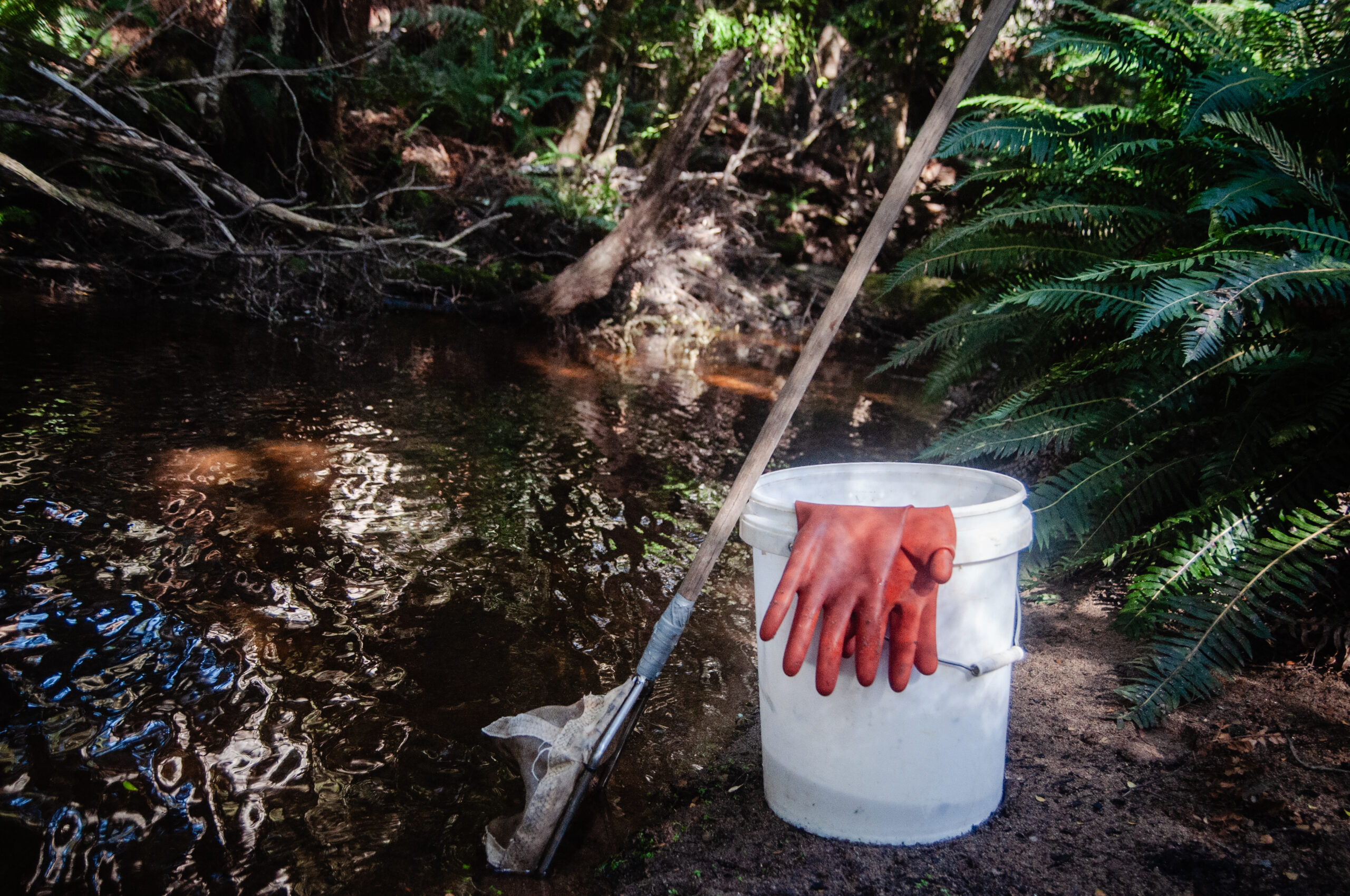
Our ‘Enhancing outcomes for Swan galaxias’ project has now come to an end, and we are celebrating the outcome of what has been a successful partnership project focusing on one of Tasmania’s lesser-known, endemic and endangered species of freshwater fish.
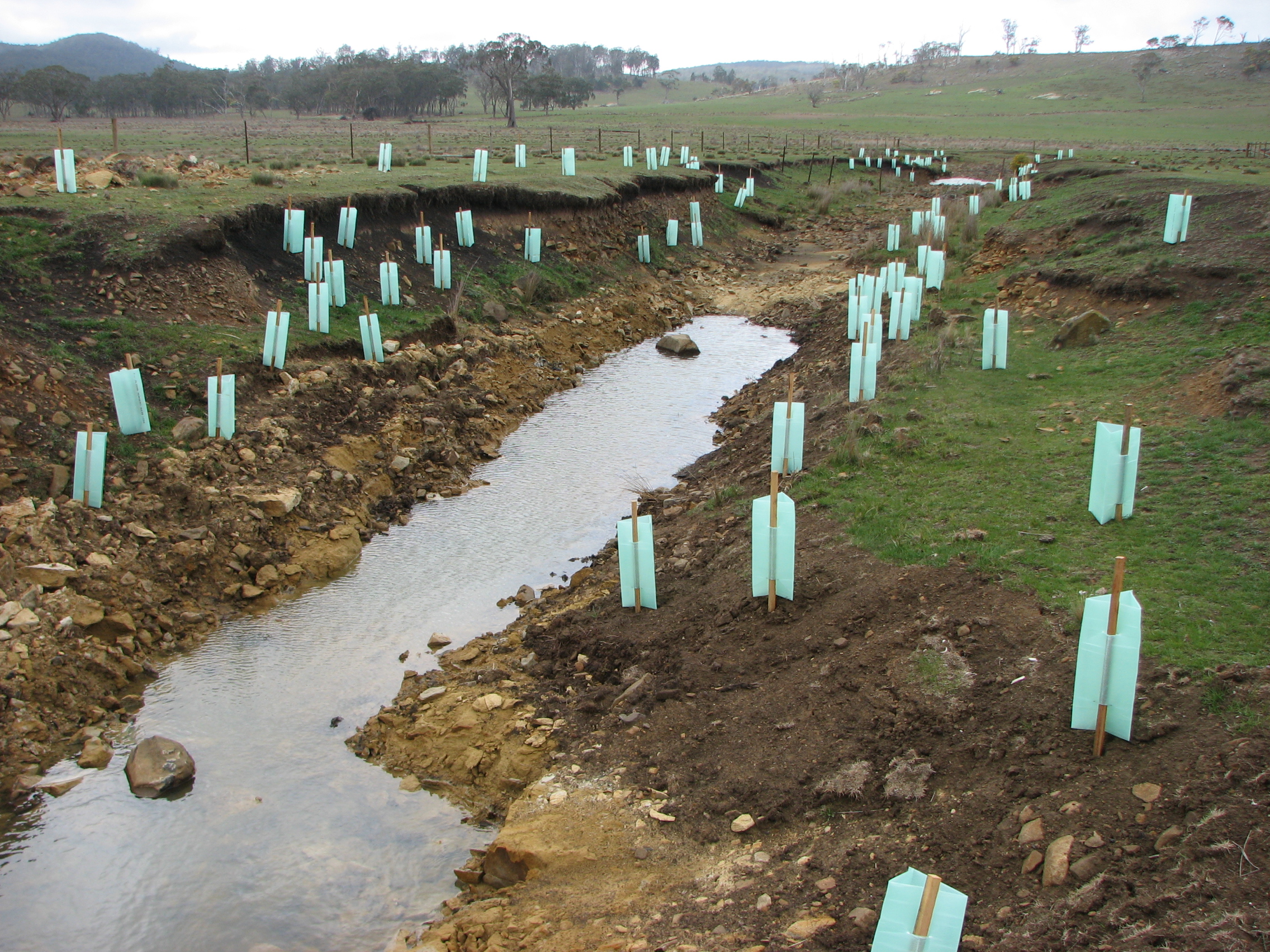
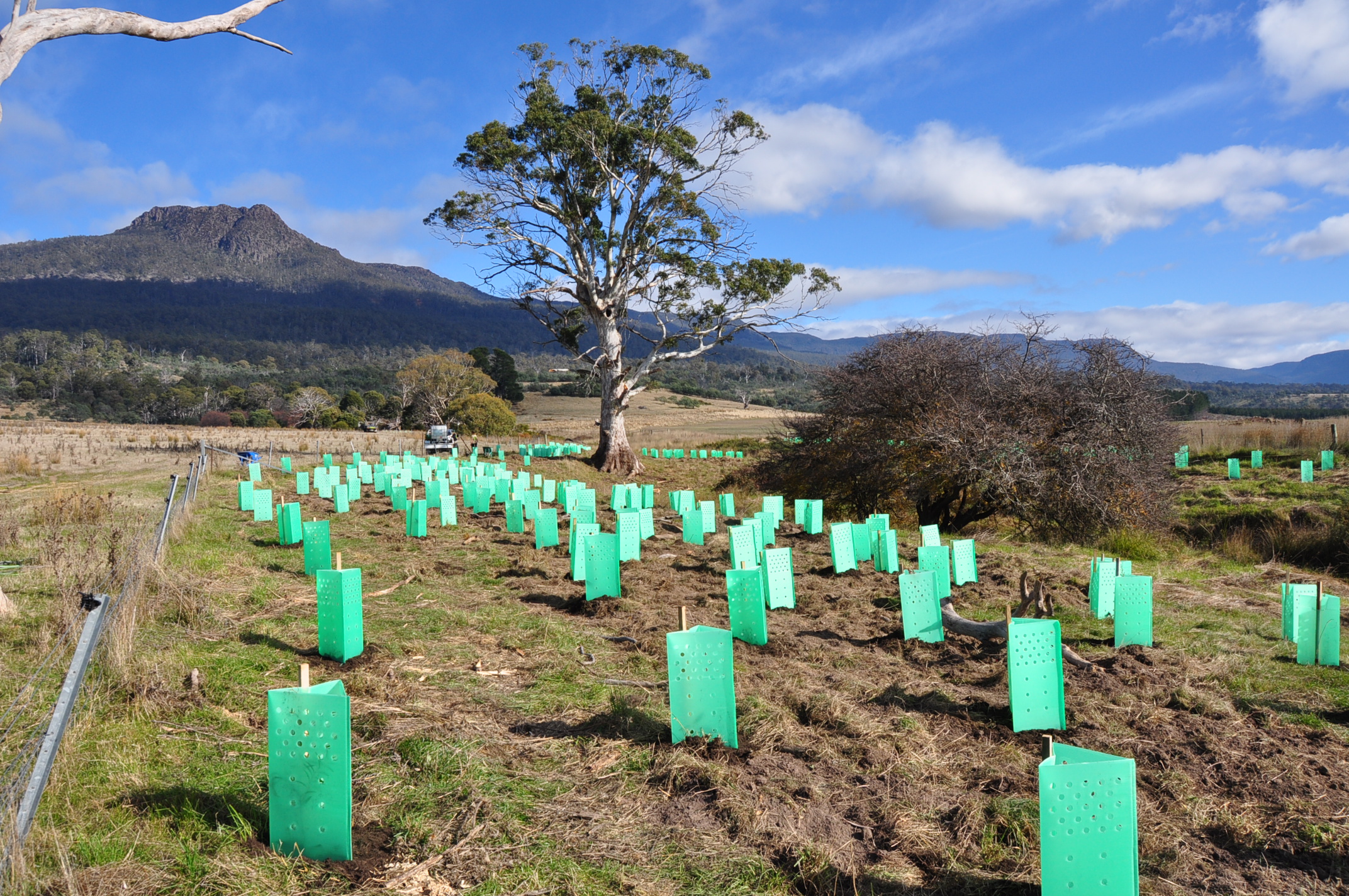
Our work on this species began nearly two decades ago, with habitat restoration works at Green Tier Creek and Rocka Rivulet, but in recent years our work gained momentum thanks to two successive projects aimed at supporting and sustaining this at-risk species. Since 2021, we have been working on approaches including habitat restoration, assessing suitable translocation sites and establishing new populations, using environmental DNA (eDNA) in conservation management, climate modelling, assessing management approaches and community outreach initiatives.
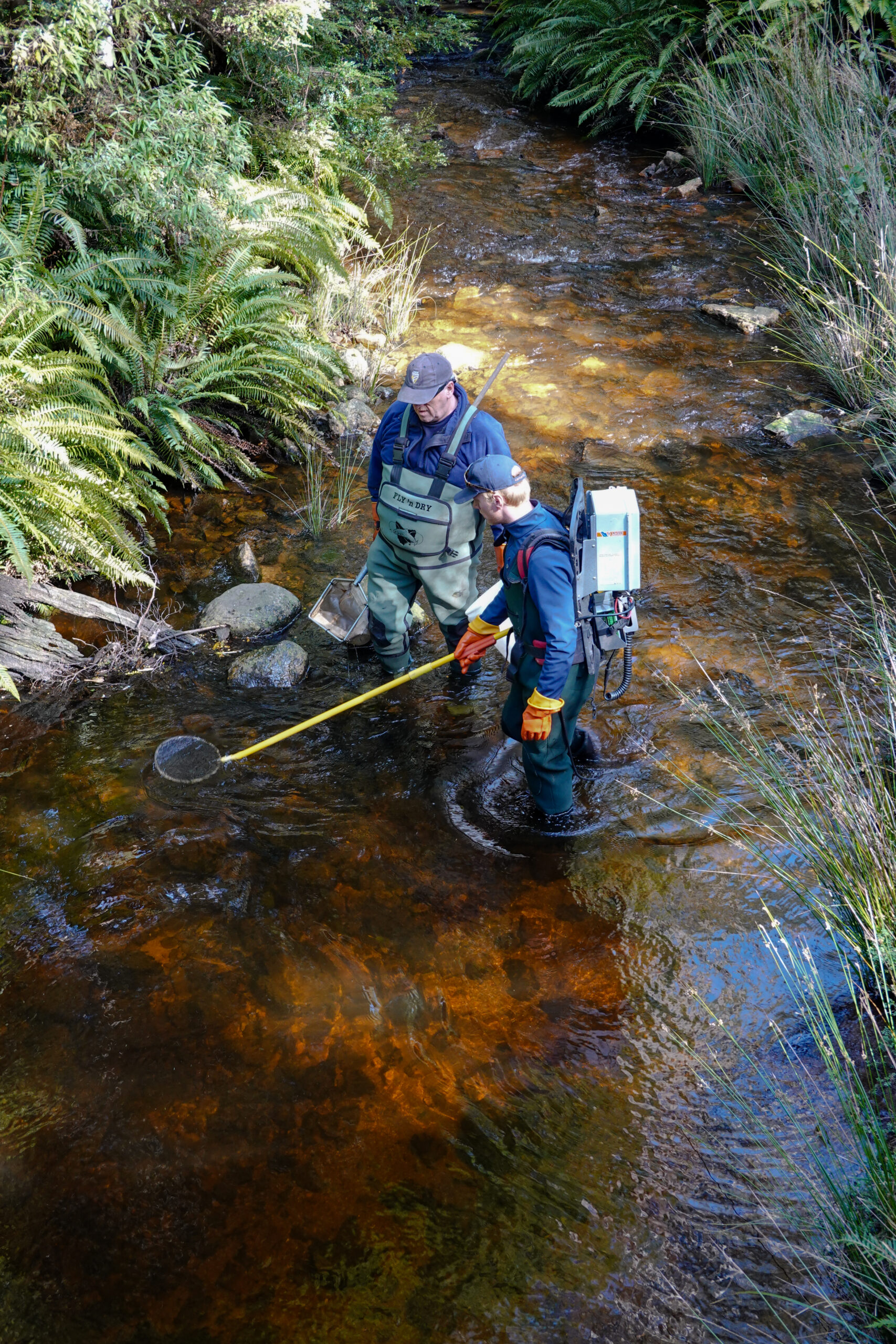
Extending our efforts; 2024-2026
In 2024, we received funding under an Australian Government ‘Saving Native Species’ grant that allowed us to build on the significant progress we made from 2021-2023. Working with partners at the CSIRO and Inland Fisheries Service (IFS), we continued our work to establish new populations, looked into the feasibility of captive breeding and invasive species exclusion as additional management approaches, developed a climate modelling report and engaged with Tasmania’s angler community to help build a sense of stewardship for freshwater systems and river health.
New populations successfully established
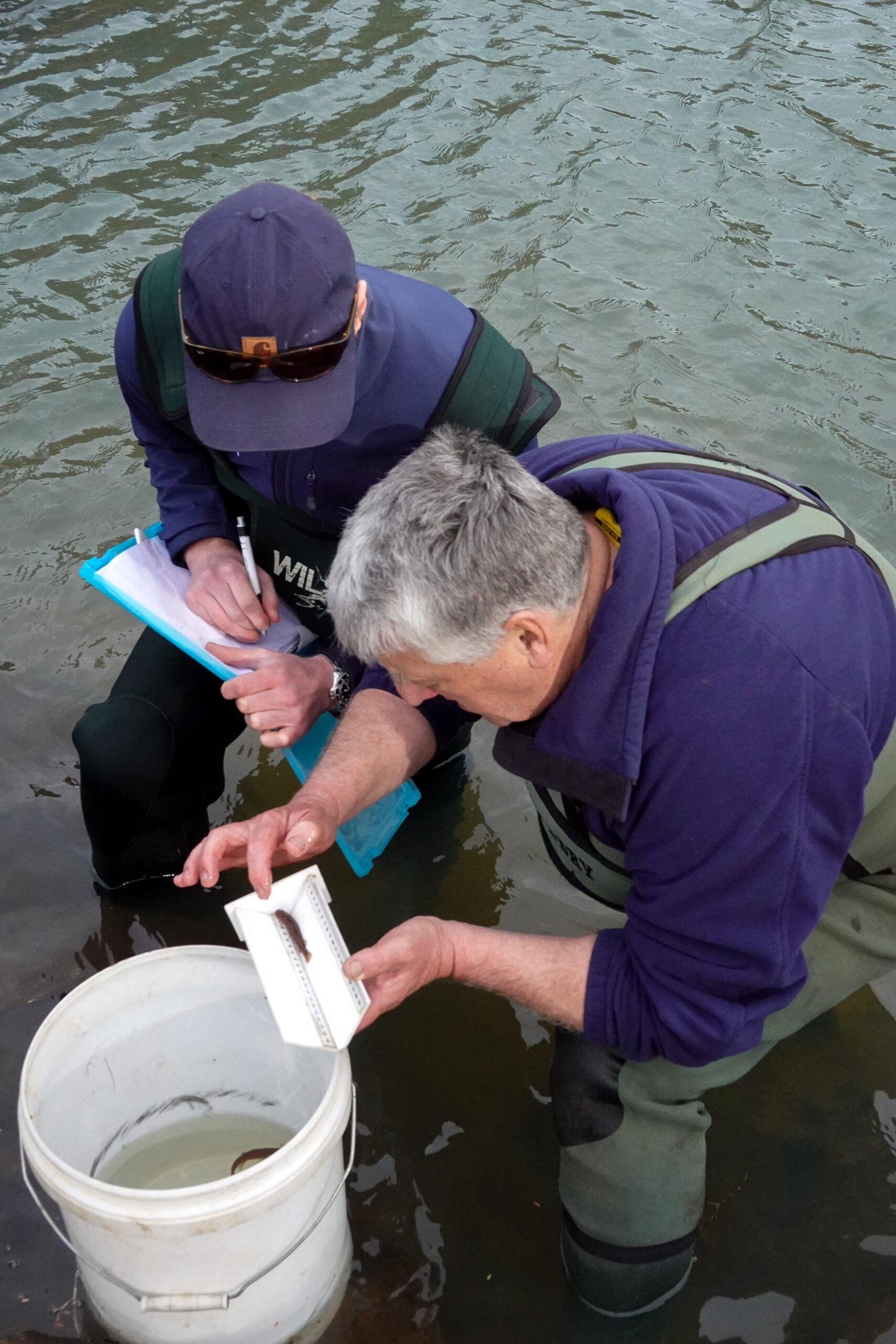
As part of our prior project, 120 fish from four separate populations were translocated into carefully selected refuge sites in 2023. This was done in partnership with IFS, CSIRO and the University of Tasmania, with sites chosen for their suitability, climate resilience and absence of invasive predators.
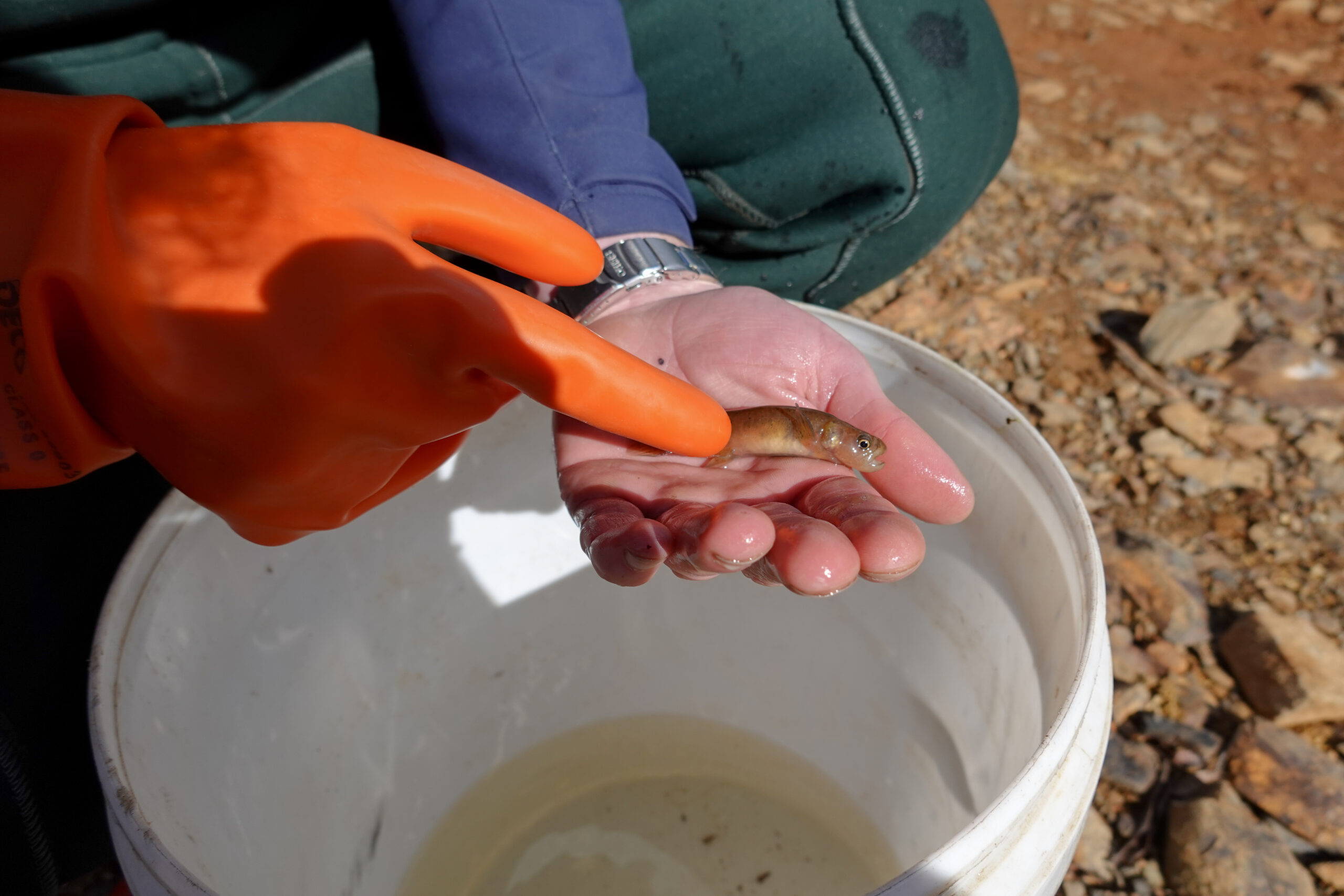
Recent follow-up monitoring confirmed that these new populations are not only surviving but reproducing. This is a fantastic outcome for the conservation of the species and an encouraging sign that the translocations are a viable approach for establishing long-term insurance populations. In April 2025, an additional 60 Swan galaxias were transferred to Devlins Creek. Early monitoring has already shown signs that this population is also breeding, and IFS will continue to check on this population over the coming years.
Feasibility assessments and habitat modelling
A suite of modelling and feasibility studies were also completed to plan future management actions. We carried out climate modelling to predict how Swan galaxias’ available habitat will be impacted by climate change, which will help guide management decisions going forward.
Alongside on-ground conservation efforts, the project also assessed the potential for captive breeding as a conservation method. We worked with IFS and the Arthur Rylah Institute to develop a captive management plan for Swan galaxias, which could be implemented in response to extreme climate events or the loss of localised populations.
Engaging with the angler community
In the summer of 2025, we worked with the IFS on a targeted social media awareness campaign for Tasmania’s freshwater anglers. Through a series of short videos, the campaign told the story of Tasmania’s incredible native freshwater fish species, and highlighted actions that trout fishers can take to reduce the spread of pests and diseases, prevent the illegal movement of fish between waterways, and support the long-term health of Tasmania’s rivers and lakes. With around 6,500 views across the series, this suite of videos has improved awareness and visibility of the threats facing Swan galaxias and offered straightforward solutions.
As we look back over this project, we are confident that we have made significant strides towards the long-term recovery of the species, and also consider the our project partners, the IFS, CSIRO, the University of Tasmania and supporting landholders in driving its overall success.
Protecting threatened species such as the Swan galaxias requires long-term collaboration, science-led management and community support and we will continue to look for opportunities to collaborate further on future conservation initiatives.
This project is funded by the Australian Government’s Saving Native Species Program and delivered by NRM South.