
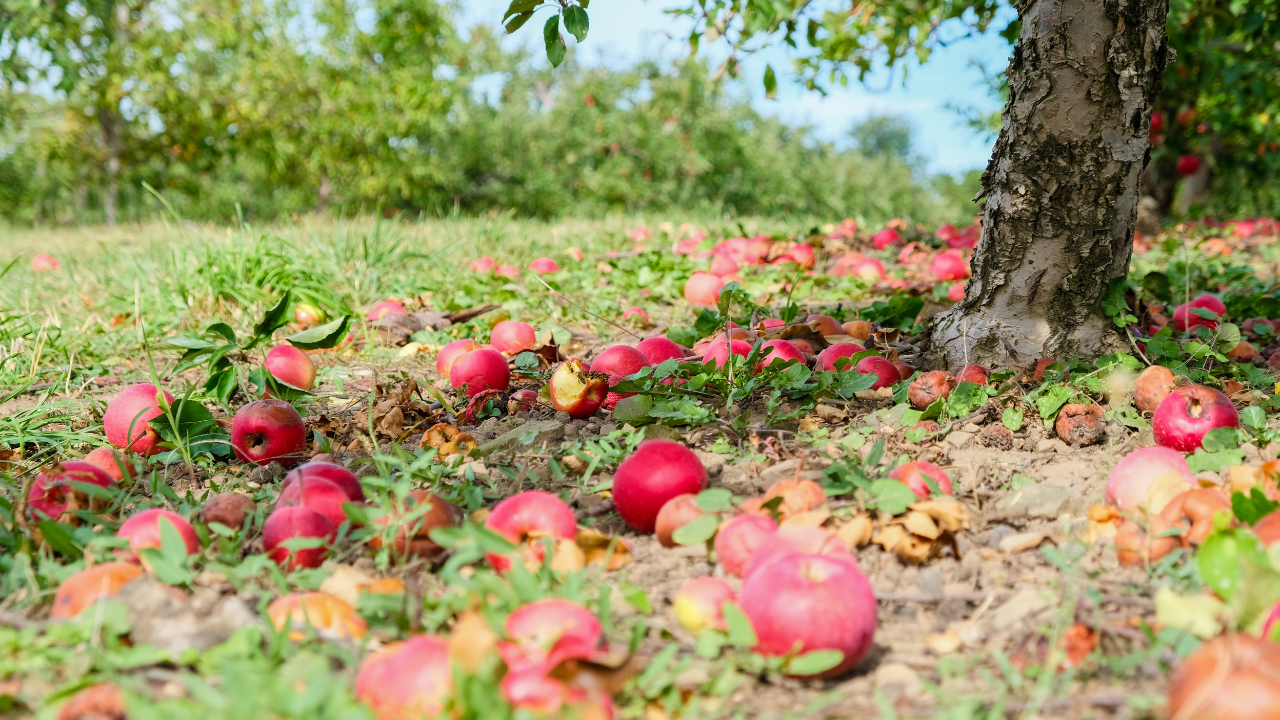
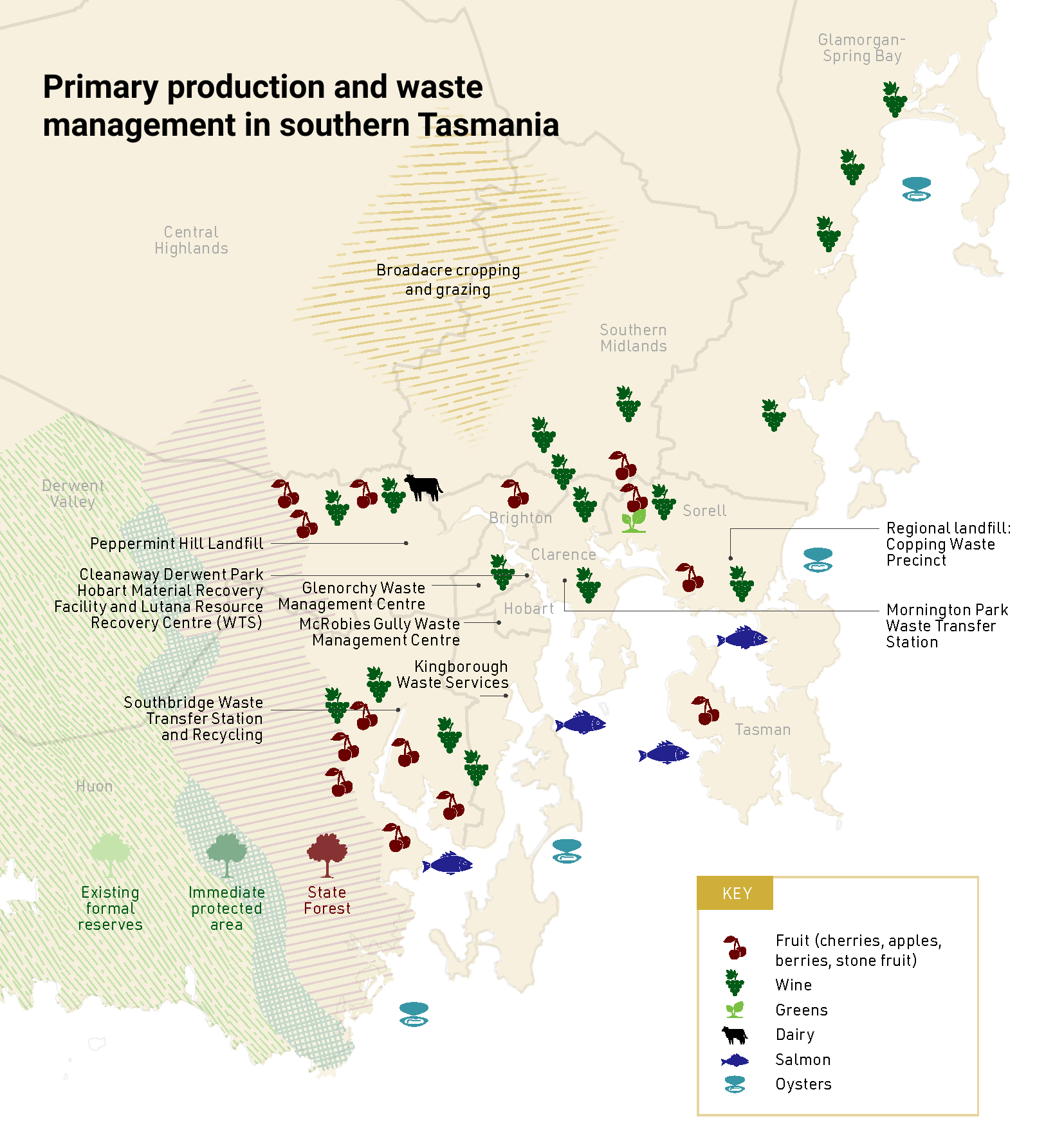
Southern Tasmania’s agriculture, aquaculture and forestry industries generate a diverse range of materials that are essential to regional production, but which do not always fit easily within traditional waste management systems. From agricultural plastics and aquaculture infrastructure to organic by-products and forestry residues, these materials present both ongoing waste management challenges and significant opportunities to retain resources and value within the region.
A new report from TasWaste South and NRM South, Circular Economy Opportunities in Southern Tasmania’s Primary Industries, explores these challenges and identifies practical opportunities to strengthen waste and resource recovery across the region. The project brought together producers, industry representatives, government agencies, waste operators, and regional organisations to better understand how materials are currently managed, where the key barriers lie, and where there is potential to improve circular economy outcomes.
Understanding the system, not just the waste
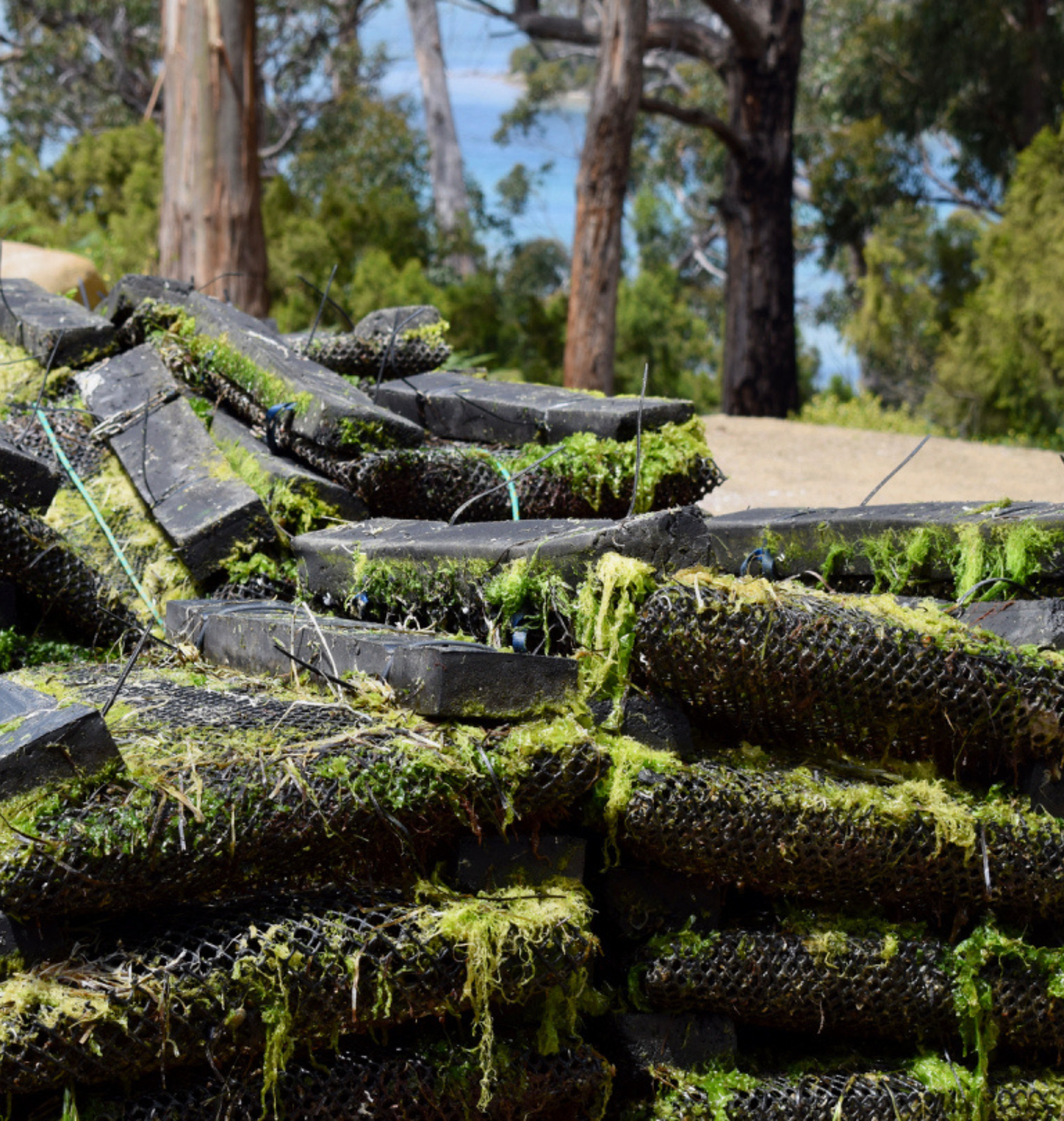
A key finding is that the challenges facing primary producers are not primarily a result of a lack of willingness to manage materials differently. Across the region, businesses are already implementing practical approaches to reuse, recovery and resource efficiency. However, opportunities to go further are constrained by the availability, reliability and cost of recovery pathways. Where services are expensive, inconvenient or uncertain, stockpiling, disposal or other management options can remain the most predictable choice. The report identifies several priority material streams, including agricultural plastics, aquaculture infrastructure, organic residuals, forestry biomass and long-life or composite materials. However, the recovery potential and most appropriate response differs considerably between materials.
Organic materials represent some of the strongest near-term opportunities. Agricultural by-products, hatchery sludge and forestry biomass already have recognised value within production systems and could support greater nutrient recovery, reuse and value-added processing. For more difficult materials such as silage wrap, ropes and nets, the immediate priority may instead be improving aggregation, coordination and connections to established processing markets outside Tasmania. This highlights an important distinction: circular economy does not always mean building new infrastructure or processing materials locally. In some cases, the most effective intervention may be better coordination, information, aggregation, or connection to existing markets.
Moving from individual opportunities to a regional approach
The report found that many of the barriers experienced by producers are systemic and affect multiple materials and sectors. Limited visibility of material flows, fragmented information, uncertainty around available services and weak coordination between organisations can all make it harder to progress otherwise viable opportunities.
In response, the report sets out an integrated framework for action across four areas: system enablers, capability, material recovery and markets. Rather than treating individual waste streams as isolated problems, the recommendations focus on creating the conditions for circular economy activity to develop and scale across the region.
This includes strengthening regional coordination, improving understanding of material flows, building producer capability, developing practical pilots and recovery pathways, and supporting stronger markets and supply chains for recovered materials. Practical demonstration is also an important part of the proposed approach. Pilots could test approaches such as agricultural plastics aggregation, organics exchange, aquaculture by-product reuse, forestry biomass applications and regional collection hubs before larger-scale investment is considered.
Supporting a more circular regional economy
The report provides a practical evidence base for future collaboration between industry, councils, government, researchers and regional organisations. Its central message is that Southern Tasmania does not need to solve every waste challenge in the same way. Instead, the region can focus on understanding where local reuse and processing can create value, where aggregation and improved logistics are needed, and where existing national recovery systems provide the most viable pathway.
The six strategic opportunities identified through the project are to strengthen regional coordination, improve visibility of material flows, accelerate organics circularity and nutrient recovery, develop practical pathways for difficult-to-recover materials, increase producer capability and participation, and leverage emerging policy, stewardship and investment opportunities.
The report is intended as a starting point for this work: providing a shared understanding of the current system and a practical framework for moving from individual opportunities towards coordinated regional action.
Read the full report, Circular Economy Opportunities in Southern Tasmania’s Primary Industries, to explore the findings and recommendations in more detail.